
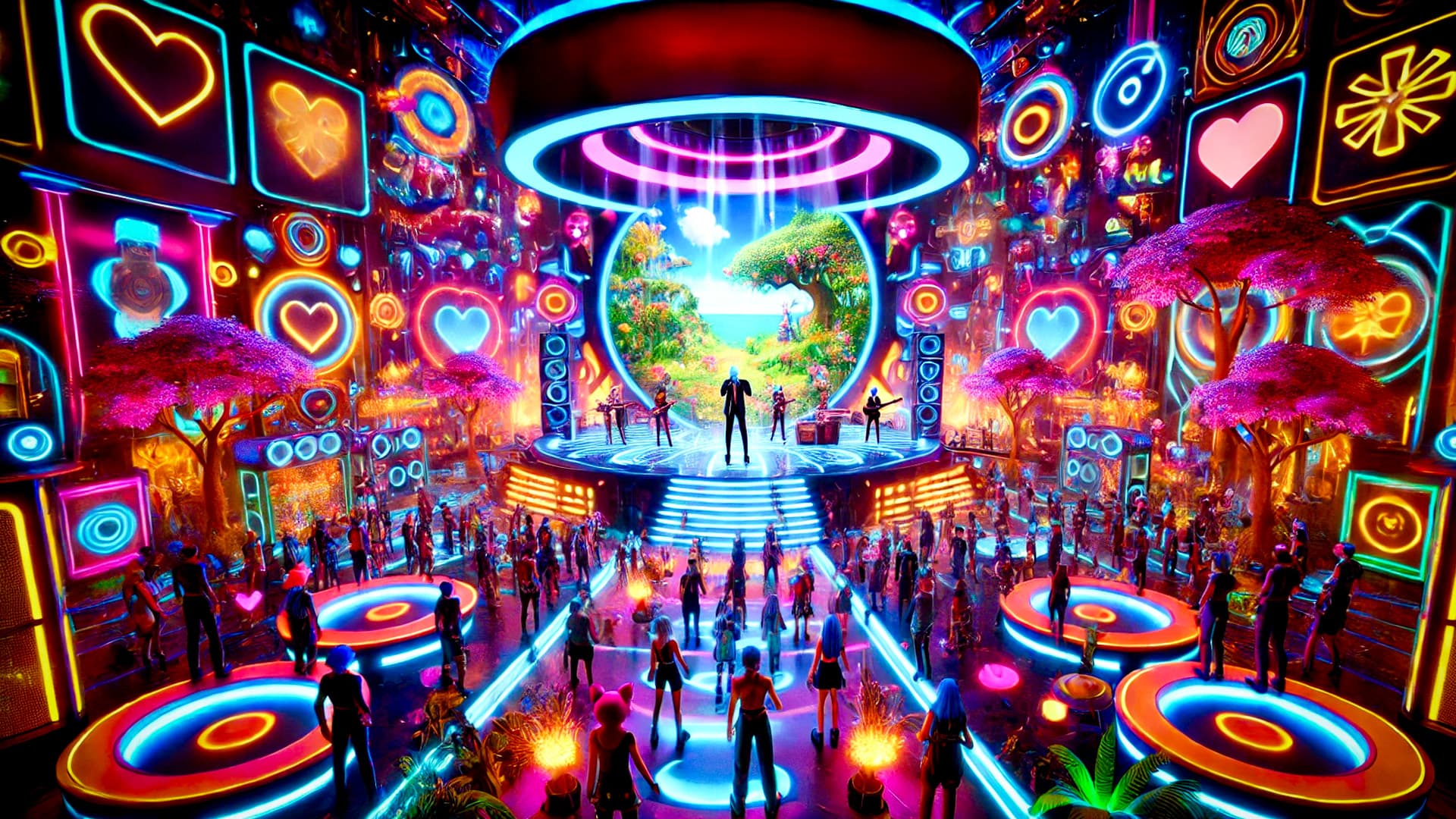
How Virtual Reality is Changing the Art and Music Industry
The intersection of art, music, and technology has always been a catalyst for innovation. Throughout history, creative expression has evolved with...
The intersection of art, music, and technology has always been a catalyst for innovation. Throughout history, creative expression has evolved with the introduction of new tools, from the invention of the piano to the development of digital photography. Today, the digital age is shaping the future of art and music in profound ways. Virtual Reality (VR) is at the forefront of this transformation, offering immersive, interactive, and boundary-defying experiences. No longer confined to physical spaces or traditional mediums, artists and musicians are exploring a virtual frontier that changes how art is created, experienced, and shared.
The Evolution of Art and Music in the Digital Age
Over the past few decades, digital tools have revolutionized the way artists and musicians create and share their work. The emergence of digital audio workstations (DAWs) like Ableton and Logic Pro, 3D modeling software, and social media platforms such as YouTube, Instagram, and TikTok have democratized the creative process, making it easier for individuals to produce and distribute their art without needing traditional gatekeepers like galleries, labels, or production studios. These tools have empowered creators worldwide, allowing them to bypass geographical, economic, and institutional barriers, and reach vast audiences instantly.
But while these technologies have opened up new possibilities, they often work within the frameworks established by traditional art forms. For example, DAWs replicate the physical setup of a recording studio in a virtual format, and 3D modeling software still largely mirrors traditional sculpting. However, virtual reality (VR) takes creativity to a whole new level. Unlike previous technologies, VR doesn’t just digitize existing art forms—it creates new environments where entirely different forms of expression can emerge. It pushes the boundaries of what’s possible, offering not just replication but transformation. Artists working in VR aren’t constrained by the need to mimic physical realities but can explore fantastical dimensions, abstract interactions, and entirely new ways to engage with their audience.
Why Virtual Reality is a Game Changer for Creatives
Virtual reality represents a revolutionary leap forward for creatives across all disciplines, from visual artists and musicians to filmmakers and dancers. What sets VR apart is its immersive, multisensory nature. Traditional mediums—whether it's a painting on a wall, music from speakers, or a film on a screen—limit interaction to a specific sensory channel or two. In contrast, VR blends sight, sound, movement, and even touch into a seamless, fully immersive experience. Creators are no longer bound by the constraints of a two-dimensional screen or a physical venue. VR allows them to build entire worlds from scratch, inviting their audience to step inside and experience their creations in ways that were previously unimaginable.
For visual artists, VR is a boundless canvas where scale, texture, and perspective can be manipulated in extraordinary ways. Musicians can use VR to design interactive soundscapes, enabling listeners to move through different auditory environments. This ability to blend art, music, and motion into a single immersive experience is what makes VR a truly transformative tool for creatives. It offers a limitless platform where the only constraint is imagination.
The Immersive Experience: A New Canvas for Artists
Breaking Boundaries: How VR is Expanding Artistic Expression
VR offers a playground of endless possibilities where the laws of physics and the limitations of physical space no longer apply. Artists can create three-dimensional forms that defy gravity or invite viewers to step inside abstract worlds. These virtual environments open up a new dimension of artistic expression, allowing for interactivity that was impossible in traditional mediums. With VR, the act of creation and the experience of art becomes fluid and dynamic, no longer constrained by static viewing.
Interactivity is key to the VR art experience. Viewers are not limited to standing and observing from afar—they can walk around, explore, and even influence the art through their movement. This transforms the role of the observer, making each encounter with the art personal and different depending on the individual’s journey through the space. The ability to craft entire worlds that audiences can inhabit adds a layer of storytelling and emotional depth that traditional media struggle to achieve.
The Role of 3D Spaces in Creating Virtual Art Installations
While physical art installations have always been bound by spatial constraints, VR frees artists to experiment with scale, proportion, and environment. Virtual installations can be infinite or intimate, governed only by the artist’s imagination. This opens up endless opportunities to explore how space influences perception. Whether creating monumental structures or intricate spaces that change as the viewer moves, VR installations offer an experience that transforms depending on where one is within the virtual world.
In virtual spaces, the constraints of reality—like gravity, structure, or material weight—fall away. Artists can suspend objects in midair, distort perspectives, or blend time and space in ways that challenge our sense of reality. This reimagining of art in virtual environments allows viewers to engage with installations in a dreamlike state, where the boundaries between reality and fantasy dissolve, deepening their connection to the art.
VR Sculpting: Building Art with Virtual Clay
VR sculpting is one of the most exciting innovations in the field of digital art. With tools like Tilt Brush or Oculus Medium, artists can mold, carve, and paint within a 3D virtual space, as though working with clay, but without the limitations of physical tools and materials. The tactile engagement that comes with traditional sculpting is retained, but the possibilities are vastly expanded. Artists can create monumental works or intricate details, zooming in and out at will to perfect every aspect of their creation.
This new form of sculpting provides an immersive experience for both the artist and the audience. Unlike traditional sculptures, which are viewed from the outside, VR sculptures can be experienced from within, allowing artists to manipulate form, texture, and color in ways that immerse the viewer fully. This makes VR sculpting an innovative tool for rethinking not only the creative process but also how art is shared and experienced by the public. The possibilities are endless, limited only by the artist’s imagination.
Virtual Galleries: A Revolution in Art Exhibitions
From Traditional Galleries to Virtual Spaces
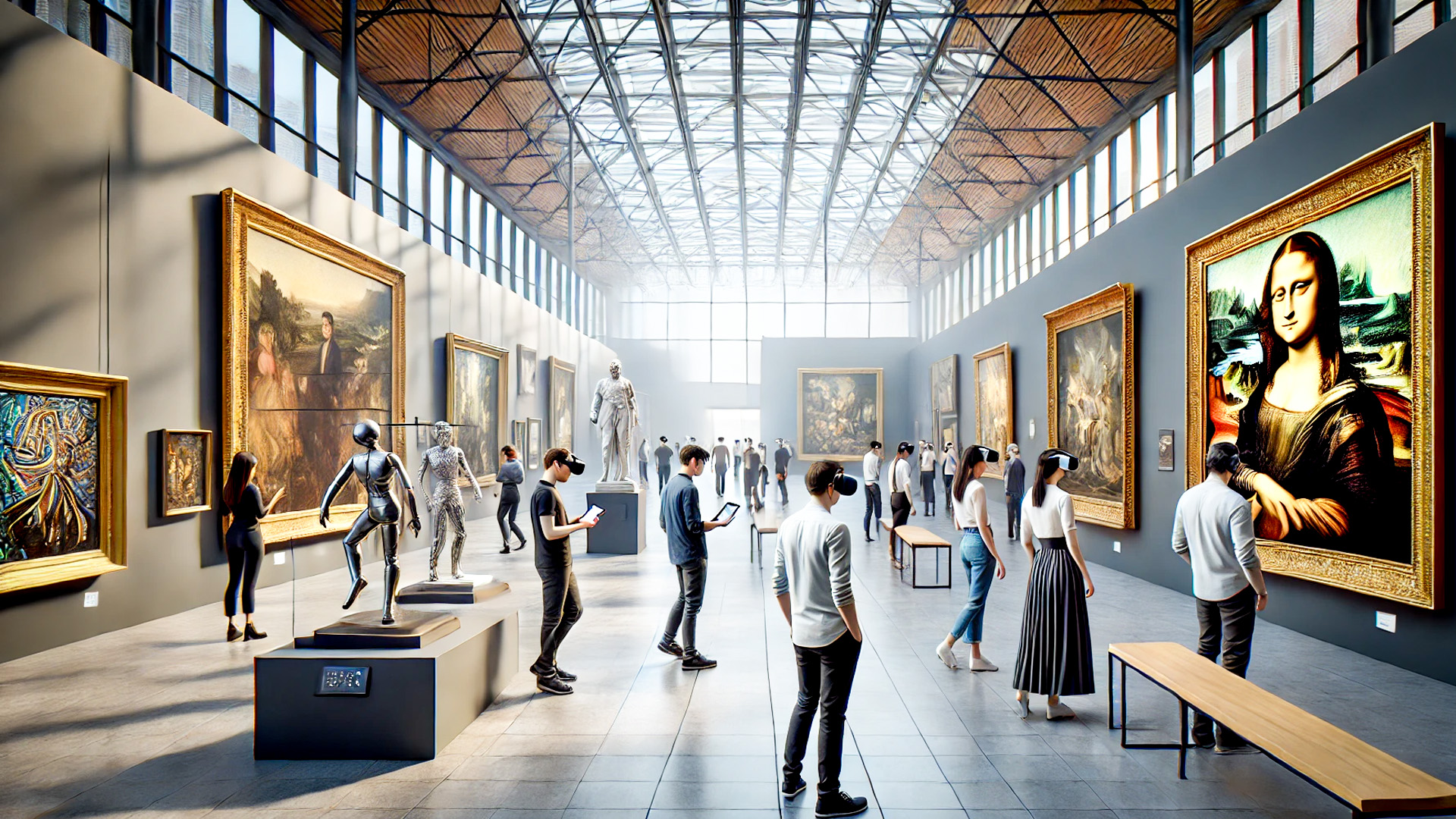
Traditional galleries have long been the primary means of showcasing art, but they come with significant limitations—most notably, their geographic exclusivity. If a gallery is in New York or Paris, only those who can physically travel to those cities can view the art on display. This traditional model restricts access to art, limiting the audience to those within proximity. However, virtual reality (VR) is dramatically reshaping how art is exhibited and experienced. With VR, galleries no longer need to exist in physical spaces. Instead, anyone with a VR headset or even a computer can explore immersive, carefully curated exhibitions from anywhere in the world.
These virtual galleries have the flexibility to mimic real-world spaces, such as iconic art museums, or break free from architectural constraints entirely. Imagine exhibitions floating in the sky, gravity-defying sculptures, or installations in completely abstract environments. Artists and curators can now design spaces that complement or even enhance the artwork, creating an entirely new dimension of artistic experience. VR allows art to transcend the physical, creating dynamic exhibitions that stretch the boundaries of imagination and creative expression. This shift is democratizing the art world, offering audiences an immersive, engaging experience that no longer requires physical presence.
How VR Galleries are Making Art Accessible Globally
One of the most transformative aspects of VR galleries is their ability to make art accessible to a global audience. Traditional barriers such as geographic location, cost of travel, and even mobility restrictions are erased in the virtual realm. Whether you live in a remote village or a major metropolis, you can now "visit" a virtual gallery with a headset or device. This global accessibility means that art is no longer confined to the elite or those in cultural capitals. People from all corners of the world can experience works of art that they would otherwise never have the opportunity to see in person.
VR galleries foster cultural exchange. Individuals from different cultural backgrounds can explore art from around the world, gaining exposure to diverse perspectives and artistic styles. By making art universally accessible, VR encourages greater global appreciation for creativity and allows for a richer exchange of ideas across borders. It also provides a platform for underrepresented artists to reach audiences they couldn’t have accessed in the traditional art world, leveling the playing field and opening new doors for artistic collaboration and engagement.
The Role of NFTs and Blockchain in Virtual Art Sales
The rise of non-fungible tokens (NFTs) and blockchain technology has revolutionized how art is bought, sold, and collected in virtual spaces. NFTs are unique digital assets that verify ownership and authenticity using blockchain technology. This has allowed digital artists, particularly those working in VR, to monetize their creations in ways that were previously impossible. For instance, an artist can create a virtual sculpture or an entire VR art installation and sell it as an NFT. The buyer then owns the rights to that specific piece of digital art, which can be resold or displayed in virtual galleries.
NFTs not only provide a new revenue stream for artists but also give them control over their work in the digital marketplace. Through smart contracts embedded in the blockchain, artists can receive royalties every time their work is resold, a feature that doesn’t exist in the traditional art market. Collectors, on the other hand, are drawn to the exclusivity that NFTs offer. Owning a VR art piece or a digital installation becomes a status symbol, much like owning a rare painting or sculpture in the physical world. This combination of VR and blockchain is creating a thriving ecosystem for digital art, where the line between the creator and the collector is redefined, and the marketplace for art extends into entirely new dimensions.
Music in a New Dimension: VR Concerts and Performances
Redefining Live Music with Virtual Concerts
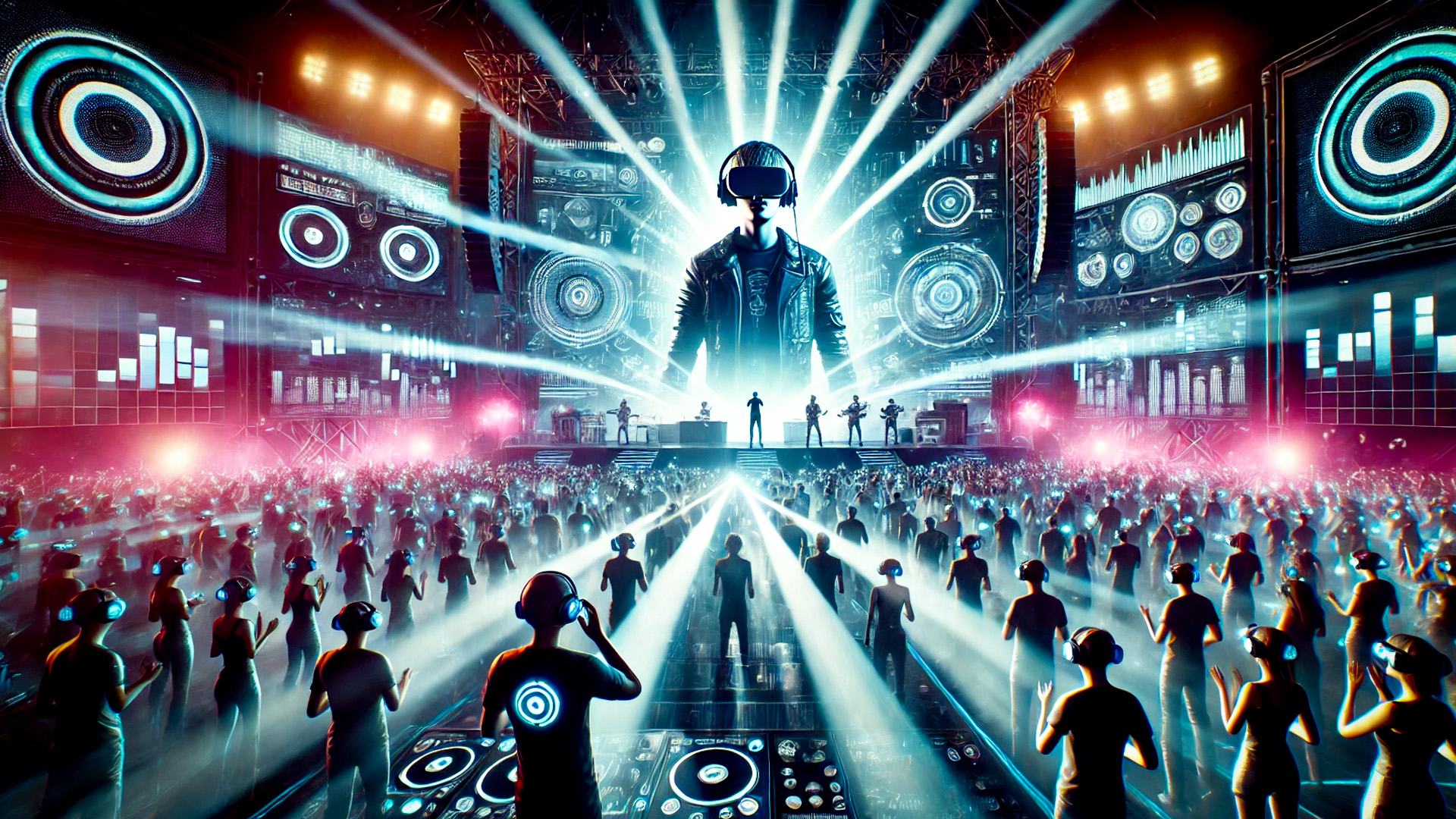
Virtual concerts are revolutionizing the way fans experience live music, offering an entirely new format that blends sound, visuals, and interactivity. Instead of gathering in crowded physical venues, audiences can now put on a VR headset and step into custom-designed virtual worlds where the boundaries of live performance are pushed beyond what’s possible in reality. These environments can be fantastical—concerts can take place in space, underwater, or in entirely abstract realms, amplifying the emotional and sensory impact of the performance.
Virtual concerts allow artists to interact with their fans in real-time in more immersive ways than traditional concerts. They can design dynamic visual environments, respond to audience reactions instantly, and even invite audience participation, such as having fans appear as avatars on stage. This level of interaction redefines the relationship between performer and listener, turning each concert into a unique, personal experience. It’s more than just music—it’s a multisensory event that blends sight, sound, and movement in a way that wasn’t previously possible.
The Audience Experience: Front Row Seats from Anywhere
For fans, VR concerts remove the limitations of physical attendance, such as travel, seating capacity, or the cost of premium tickets. With a VR headset, anyone can enjoy the experience of front-row seats from the comfort of their own home. Viewers can look around the stage, explore different angles, and feel immersed in the environment as though they were physically present. This accessibility makes live performances more inclusive, ensuring that people who might not otherwise have access—whether due to geography, financial barriers, or mobility issues—can still engage in the experience.
The interactive nature of these events enhances the feeling of community among concertgoers. In many virtual concert spaces, fans can interact with one another as avatars, sharing the experience with friends or meeting new people from around the world. The ability to connect with fellow fans while witnessing a live performance creates a shared experience that is comparable to being in a real-world venue, but without any of the logistical challenges.
VR Festivals: Bringing Global Audiences Together
Beyond individual performances, VR technology is enabling the creation of full-scale virtual music festivals. These festivals allow for global audiences to attend from all corners of the world simultaneously, creating a shared space where people can interact, explore, and celebrate music together. Unlike traditional festivals, which may be limited by location, weather, or capacity, virtual festivals can accommodate infinite numbers of attendees, offering endless exploration opportunities within expansive digital environments.
Virtual festivals often feature multiple stages where attendees can choose which performances to attend, just like at a real-world festival. However, VR adds layers of interactivity, allowing fans to teleport between stages, engage with immersive art installations, and even meet artists in virtual meet-and-greet spaces. The experience is entirely customizable and can be augmented with special effects and visual elements that would be impossible in the physical world. This allows for a festival that is not only more accessible but also more immersive and imaginative, providing a deeply engaging experience that rivals, if not surpasses, its real-world counterparts.
Interactive Art and Music: The Rise of Audience Participation
How Viewers Can Now Interact with Art in Virtual Worlds
In virtual reality (VR), art is no longer confined to being a passive experience where viewers simply observe from a distance. Instead, it has become a dynamic, interactive medium where audiences can engage with and even manipulate the artwork itself. In a virtual space, viewers can walk around a piece, examining it from every angle, zooming in on details, or stepping back to gain a broader perspective. Some VR installations even allow viewers to touch or alter the artwork—changing colors, shapes, or textures in real-time—transforming them from passive observers into active participants.
This level of interaction creates a deeper emotional and intellectual connection between the viewer and the art. By being able to influence the artwork, the audience becomes part of the creative process, experiencing the joy and responsibility of co-creation. This interactivity fosters a personalized experience, where each viewer’s engagement with the artwork is unique. It elevates the traditional relationship between art and viewer into one of collaboration, blurring the lines between artist, creation, and audience.
VR Music Creation Tools: Empowering Fans to Create Their Own Sounds
Virtual reality is also revolutionizing the world of music creation, empowering fans to move beyond being listeners and become creators themselves. With immersive VR music tools such as SoundStage VR and Tribe XR, users can step into a fully functional virtual studio and experiment with producing music in a 3D space. These platforms offer virtual instruments, mixing decks, and synthesizers that allow users to arrange, compose, and manipulate sound in real-time, all within a virtual environment. The experience is akin to standing inside a physical studio, but with the added ability to interact with the music spatially and visually.
What makes these VR tools particularly powerful is their accessibility. Users don't need formal training or expensive equipment to start creating music. The intuitive, visual interfaces lower the barrier to entry, enabling anyone to explore the world of music production. This democratization of music creation is giving fans unprecedented control, transforming them from passive consumers into creators. It also opens up opportunities for collaboration, where users can share their compositions, remix tracks, or perform in virtual spaces.
The Impact of Gamification on Music and Art Experiences
Gamification in VR is further enhancing the way audiences interact with both music and art. By incorporating game-like elements—such as rewards, challenges, and achievements—artists and musicians can engage their audiences in a more playful and immersive manner. For example, in a virtual art gallery, visitors might unlock hidden sections by solving puzzles or achieving certain objectives. Similarly, in a VR music experience, users could earn points or badges for mixing tracks or creating original compositions.
These gamified experiences encourage deeper interaction and exploration, keeping audiences engaged for longer periods of time. By blending elements of gaming with artistic and musical creation, VR is giving rise to a new genre of interactive, experiential entertainment. It transforms art and music from static mediums into evolving, participatory experiences where the audience is actively involved in the creative journey. This approach not only enhances user engagement but also fosters a deeper appreciation for the creative process itself, making the experience more memorable and rewarding.
Collaborative Creation: Artists and Musicians in the VR Space
Real-Time Collaboration Across Continents in Virtual Studios
Virtual reality (VR) is reshaping the way artists and musicians collaborate, eliminating the need for physical proximity. In virtual studios, creators from around the world can meet in real-time to work together on projects, share ideas, and even build new works simultaneously. This newfound ability to collaborate without geographic barriers is revolutionizing the creative process, enabling global partnerships that were once difficult or impossible to achieve. Musicians can compose tracks together, visual artists can co-design 3D environments, and filmmakers can direct scenes without being in the same physical space. Virtual studios replicate the immersive nature of being in a real studio, allowing for instant feedback and shared experiences.
This is particularly significant in a world where international travel is often expensive or inaccessible. Now, creative minds from different cultures and backgrounds can easily collaborate, leading to diverse and innovative outcomes. Real-time collaboration in virtual spaces fosters cross-cultural creative exchanges, enabling a melting pot of ideas that enriches the creative process. These global collaborations are transforming artistic production, making it faster, more accessible, and more collaborative than ever before.
How VR is Fostering Multidisciplinary Art Forms
VR is a natural platform for interdisciplinary collaboration, bringing together musicians, visual artists, dancers, filmmakers, and other creatives to develop immersive, multimedia experiences. In a virtual environment, multiple forms of expression can merge seamlessly, breaking down traditional artistic boundaries and giving birth to entirely new forms of art. For example, musicians can create soundscapes that interact with visual art installations, while dancers perform within a virtual world where both their movements and the environment respond to each other.
These collaborations often result in innovative, hybrid works of art that push the boundaries of what is creatively possible. Musicians can score a performance as it unfolds in real-time, visual artists can animate a dancer’s movements, and filmmakers can capture the entire experience from multiple perspectives. The possibilities for cross-discipline creativity are virtually limitless, making VR an exciting medium for those seeking to challenge the norms of artistic expression.
The Future of Artistic Partnerships in the Virtual Realm
As VR technology continues to advance, so too will the nature of artistic collaborations. The future promises even more dynamic and complex partnerships between artists from various fields. Virtual reality will enable creative individuals to work together in real-time from anywhere on the planet, no longer limited by traditional disciplines or the need for physical resources. Artists will be able to co-create entire virtual worlds, interactive experiences, and immersive narratives that blur the lines between music, art, performance, and technology.
The future of VR-driven artistic partnerships will also see more use of artificial intelligence, augmented reality, and interactive elements, allowing artists to design experiences that evolve and react based on the audience’s interaction. These innovations will create a future where hybrid art forms thrive, and collaborative creativity will not only cross geographic borders but also transcend the limits of the physical world. The only constraint in this virtual future is the imagination of the artists, making it a fertile ground for artistic experimentation and groundbreaking collaborations.
The Role of VR in Preserving and Restoring Art
How VR is Being Used to Recreate Lost or Damaged Masterpieces
Virtual reality (VR) is playing a transformative role in art preservation by allowing historians and artists to digitally recreate lost or damaged masterpieces. With advanced 3D scanning, modeling, and photogrammetry technologies, even the finest details of ancient sculptures, paintings, and architecture can be captured and reconstructed in a virtual environment. These virtual recreations enable audiences to experience art that has been lost to time, war, or natural disasters, providing a visual and emotional connection to cultural heritage that might otherwise be inaccessible.
By immersing viewers in these recreated environments, VR allows for an interaction with art that goes beyond static images or written descriptions. These experiences enable people to walk through ancient temples, explore Renaissance frescoes in their original settings, or examine delicate artifacts up close, restoring works to their former glory. This preservation not only ensures that important pieces of history are remembered but also educates future generations, allowing them to engage with art in a way that is both immersive and informative.
Virtual Museums: Safeguarding Culture for Future Generations
Virtual museums are emerging as powerful tools for preserving and sharing cultural heritage in a format that is unrestricted by physical limitations. Traditional museums are often constrained by space, with only a fraction of their collections on display at any given time. Virtual museums, however, have no such constraints. Entire collections, spanning centuries of history and art, can be housed in digital environments that are accessible to anyone with an internet connection or VR headset.
These virtual spaces provide a global platform for sharing knowledge, preserving culture, and making art accessible to people around the world, regardless of their location or resources. Virtual museums also offer a unique ability to showcase works that may be too fragile to display in physical exhibitions or to restore lost architectural sites and artifacts in their original grandeur. This format ensures that cultural heritage is preserved for future generations, offering an interactive and immersive way to experience history and art, unlike anything seen in a traditional museum setting.
The Power of VR to Archive and Curate Historic Performances
In the world of music and live performances, VR is being used to archive historic concerts, theatrical performances, and other cultural events, preserving them in a way that feels as real as the original experience. Through VR, future generations can relive iconic moments in music history, such as legendary performances by classical maestros, groundbreaking pop concerts, or transformative theatrical productions.
This archival process captures not just the sights and sounds of the performances but also the ambiance and atmosphere of the venues, allowing audiences to experience the event as if they were there in person. Unlike traditional recordings, VR recreates the spatial dynamics of a live performance, letting viewers move through the space, feel the energy of the crowd, and interact with the performance from multiple perspectives. This level of immersion helps preserve the emotional and experiential impact of these events, ensuring they are not just remembered but truly experienced by future audiences.

Challenges and Opportunities for Artists and Musicians in VR
Overcoming Technological Barriers and Accessibility Issues
While virtual reality (VR) holds immense promise for artists and musicians, several challenges must be addressed before it becomes universally accessible. High-end VR hardware, such as headsets and motion controllers, can be prohibitively expensive, limiting access for many creatives and audiences. Additionally, the technical skills required to design and develop VR experiences can seem overwhelming, especially for those without a background in 3D modeling, programming, or other digital tools. However, as VR technology advances, equipment is becoming more affordable, and user-friendly platforms are emerging, lowering the entry barrier. Companies are working on accessible solutions, such as affordable headsets and simplified creation tools, making VR more available to a broader range of creators and consumers alike.
The Economic Potential of VR Art and Music
The economic potential of VR within the art and music industries is substantial. Artists and musicians can sell their virtual creations as digital assets, offer paid immersive experiences, or collaborate with brands looking to expand into virtual spaces. The rise of non-fungible tokens (NFTs) has created a new avenue for monetization, allowing creators to sell unique virtual works, including VR sculptures, digital concert experiences, and interactive installations. Additionally, VR platforms enable musicians to host virtual concerts and performances, where ticket sales, merchandise, and fan interactions provide new income streams. The ability to engage global audiences from anywhere in the world enhances the scalability and profitability of these ventures, making VR an increasingly viable career path for creatives.
How Virtual Reality is Changing the Creative Industry Business Model
The traditional business models of the art and music industries are being fundamentally disrupted by virtual reality. Historically, artists and musicians have relied on physical exhibitions, record sales, and live performances to generate income. However, VR opens up a decentralized, digital-first economy where creators have more direct control over how they monetize and distribute their work. This shift offers more flexibility in how creators package their work, from selling virtual art installations to performing in digital spaces with global reach. By bypassing intermediaries like galleries, labels, or concert venues, VR allows artists and musicians to keep a larger portion of their earnings while also reaching a wider audience. This transformation is democratizing the creative economy, giving creators more opportunities to succeed independently.
The Future of Art and Music in the VR Era
As VR continues to evolve, the future of art and music promises to be more immersive and interactive than ever before. Artists will have the freedom to create digital worlds that defy physical limitations, while musicians can compose soundscapes that envelop listeners in multi-sensory experiences. The creative possibilities within virtual environments are nearly limitless, offering new ways to experiment with form, space, and interactivity. As more creators explore these opportunities, art and music will transform into deeply engaging, participatory experiences where audiences are no longer passive consumers but active participants. VR will redefine what it means to experience creativity, pushing the boundaries of human expression in exciting and unforeseen ways.
How Creatives Can Prepare for the Virtual Revolution
For artists and musicians looking to stay ahead of the curve, now is the time to embrace VR as a new creative medium. Learning the tools and technologies that power VR—from 3D modeling and audio spatialization to immersive design principles—will be crucial in unlocking the potential of this evolving space. Creators can begin by experimenting with accessible VR platforms, collaborating with other digital artists, and exploring the wealth of online resources available for VR creation. By familiarizing themselves with VR’s possibilities and challenges, artists and musicians can position themselves at the forefront of the virtual revolution, ready to explore, innovate, and shape the future of art and music in ways that are only beginning to be imagined.
Author: Elisha Roodt
Delivering expert insights into virtual reality, 360° production, and the immersive technological evolution across South Africa.