
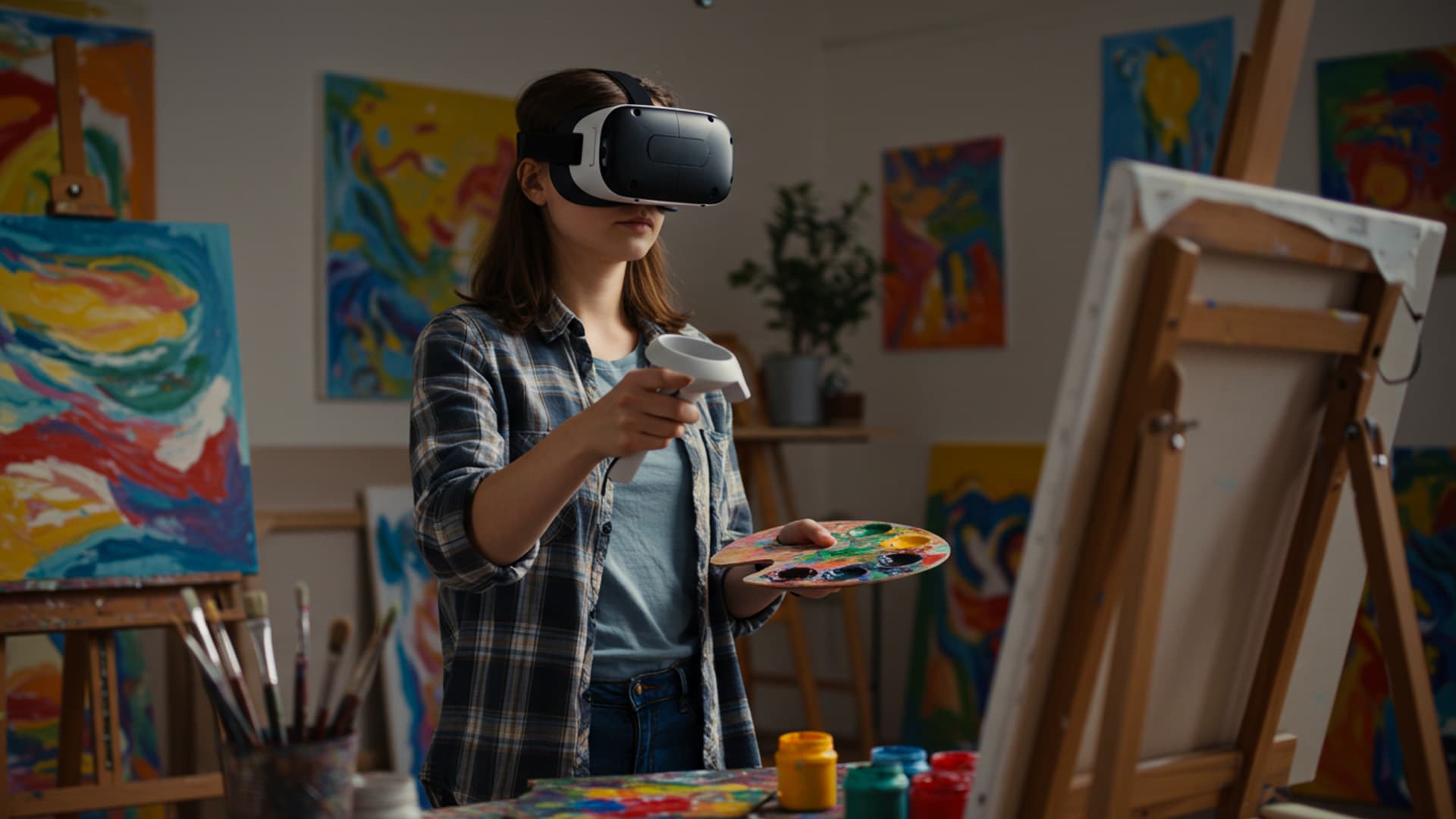
The Intersection of Art and Technology
Exploring Virtual Reality’s Transformative Role in South Africa’s Art Landscape In the vibrant cultural hub of South Africa, virtual reality (VR)...
Exploring Virtual Reality’s Transformative Role in South Africa’s Art Landscape
In the vibrant cultural hub of South Africa, virtual reality (VR) art exhibitions are redefining the boundaries of creative expression. The integration of VR into art not only propels artists into uncharted realms of digital innovation but also invites audiences to experience immersive narratives that challenge conventional perceptions of space, time, and storytelling. These pioneering initiatives bridge the gap between heritage and modernity, crafting environments where traditional motifs interact with futuristic technologies. As South African creators embrace VR, the resulting exhibitions resonate with both an avant-garde aesthetic and an intricate tapestry of historical, social, and technological threads that captivate and educate in equal measure.
Pioneering VR Experiences in South Africa’s Art Scene
Emergence of VR in Local Galleries
Local galleries across South Africa have begun to embrace VR as a means to redefine artistic presentation and audience interaction. Visionary curators are integrating cutting-edge headsets and interactive platforms that transport visitors into meticulously designed virtual realms. This evolution has transformed static exhibition spaces into dynamic environments, where digital brushstrokes and holographic installations convey narratives rich with cultural significance. Artists experiment with spatial compositions that honor both indigenous traditions and futuristic motifs, creating an eclectic dialogue between heritage and innovation. The synergy between art and technology introduces audiences to an alternative, multisensory universe that sparks curiosity and deepens appreciation for creative experimentation.
In many contemporary art hubs, VR installations are curated not merely as technological novelties, but as profound commentaries on social change and digital identity. Imagine a gallery where traditional paintings dissolve into interactive digital canvases, letting visitors explore hidden layers of symbolism by navigating through virtual corridors. This melding of tangible art with virtual enhancements mirrors a renaissance in artistic vision—one that honors the past while eagerly embracing the future. The resulting exhibitions serve as cultural crucibles, where the interplay of light, movement, and technology transforms passive observation into an active journey of discovery.
Immersive Storytelling through Virtual Installations
Virtual installations in South African art exhibitions have elevated storytelling to an entirely new dimension. By harnessing the immersive capabilities of VR, curators craft narrative experiences that place audiences at the very heart of unfolding dramas and historical accounts. These digital realms are populated with interactive characters, multidimensional soundscapes, and fluid transitions that invite participants to become co-creators of the experience. The dialogue between digital mediums and traditional narratives cultivates an environment where each visitor’s journey is unique and deeply personal, much like stepping into a living storybook where every element sings with its own voice and rhythm.
The technology enables artists to depict complex scenarios that might otherwise be confined to the canvas, creating an expansive narrative canvas where spatial dimensions and temporal shifts coexist. Imagine wandering through an ancient virtual marketplace reconstructed from archival memories, where every step reveals layered stories of resilience, celebration, and transformation. Such digital storytelling reimagines art as an interactive script, allowing each observer to influence its unfolding plot. By interweaving conventional artistic elements with modern VR techniques, exhibitions invite onlookers to engage in a vivid dialogue that transcends boundaries and redefines the art-viewing experience.
Curation and Audience Engagement
Curation in VR art exhibitions has evolved into a delicate balance of technology, art, and cultural narrative that reshapes audience engagement. Curators now design experiences that encourage interactive participation, where each digital artifact serves as a portal into deeper thematic explorations. These exhibitions are tailored to provoke emotional responses while providing a platform for communal dialogue, inviting viewers to explore layers of meaning embedded within each virtual display. The meticulous planning involves integrating data-driven insights with artistic vision, ensuring that each exhibit resonates on both an intellectual and sensory level.
Consider a scenario where an art enthusiast dons a VR headset and is instantly immersed in a virtual gallery that adapts in real time to their interests. Interactive elements prompt questions and offer insights, akin to receiving a personalized guided tour through a labyrinth of cultural narratives. This fusion of digital technology and curatorial expertise not only redefines traditional museum engagements but also creates an immersive environment that fosters discovery and reflection. The art becomes a living, breathing entity that evolves with each visitor’s input, forging a dynamic community where every interaction contributes to the overall story.

Transformative Technologies and Their Cultural Impact
Bridging Tradition and Innovation
The synthesis of tradition and innovation is at the core of VR art exhibitions in South Africa, merging time-honored cultural expressions with avant-garde technologies. This intersection creates a vibrant tapestry where digital motifs coexist with motifs rooted in indigenous heritage. Artists employ VR to reinterpret ancient symbols and narratives, presenting them in interactive formats that captivate modern audiences. The marriage of these elements invites viewers to explore familiar landscapes through an unfamiliar, yet deeply resonant, digital lens. Traditional craftsmanship meets technological sophistication, forging a dialogue that spans generations and geographies.
Picture a virtual space where traditional beadwork patterns and ancestral storytelling morph into kinetic digital displays. This convergence of old and new not only enriches the visual experience but also challenges the viewer to reconsider cultural identity in a modern era. The immersive realm created by VR amplifies the nuances of historical context and contemporary innovation, inviting audiences to witness cultural narratives evolve before their eyes. Through this dynamic interplay, South African artists are pioneering an artistic revolution where heritage is not static, but a continuously evolving dialogue, much like a digital symphony that reinterprets the past in every interactive note.
Digital Artifacts: A New Medium for Expression
Digital artifacts are emerging as powerful new mediums for artistic expression, revolutionizing how artists communicate complex ideas and emotions. In South Africa, these digital creations are redefining the boundaries of traditional art by leveraging the immersive capabilities of VR. Each artifact is crafted with precision, combining digital sculpting, 3D modeling, and interactive animation to evoke a rich tapestry of symbolism and emotion. These elements coalesce to form virtual installations that are as intellectually stimulating as they are visually arresting, blurring the lines between physical artifacts and digital museology.
Envision a scenario where a VR exhibit showcases digital relics that capture the essence of ancestral traditions, transmuted into interactive 3D forms. Each artifact tells a story—of migration, resilience, and creativity—that invites viewers to engage with history in a tactile, multi-dimensional way. The digital medium brings an immediacy and flexibility to artistic expression, allowing for perpetual reinterpretation and evolution. As these digital relics become repositories of cultural memory, they not only encapsulate the creative spirit of the moment but also serve as enduring testaments to a vibrant artistic heritage reborn in the digital age.
Interactive Techniques in VR Exhibitions
Interactive techniques in VR exhibitions are transforming passive art observation into an engaging, multi-sensory journey. South African galleries are now employing sophisticated interaction models that allow visitors to manipulate virtual objects, navigate between different narrative layers, and even alter the environment through intuitive gestures. These innovations create a sense of immersion that is both exhilarating and intellectually stimulating, transcending the boundaries of conventional art displays. Each interaction is meticulously designed to provoke thought, evoke emotion, and inspire creative exploration in ways that static exhibits cannot achieve.
Imagine stepping into a VR world where every gesture triggers a cascade of visual and auditory feedback, creating a personalized dialogue with the artwork itself. The interaction is seamless, as natural movements are translated into digital brushstrokes on a living canvas. This interactive approach transforms art into a dynamic conversation, where viewers become active participants rather than passive onlookers. The integration of tactile feedback, responsive animations, and spatial audio elevates the overall experience, fostering an environment where technology and creativity interlace to redefine the very essence of artistic engagement.
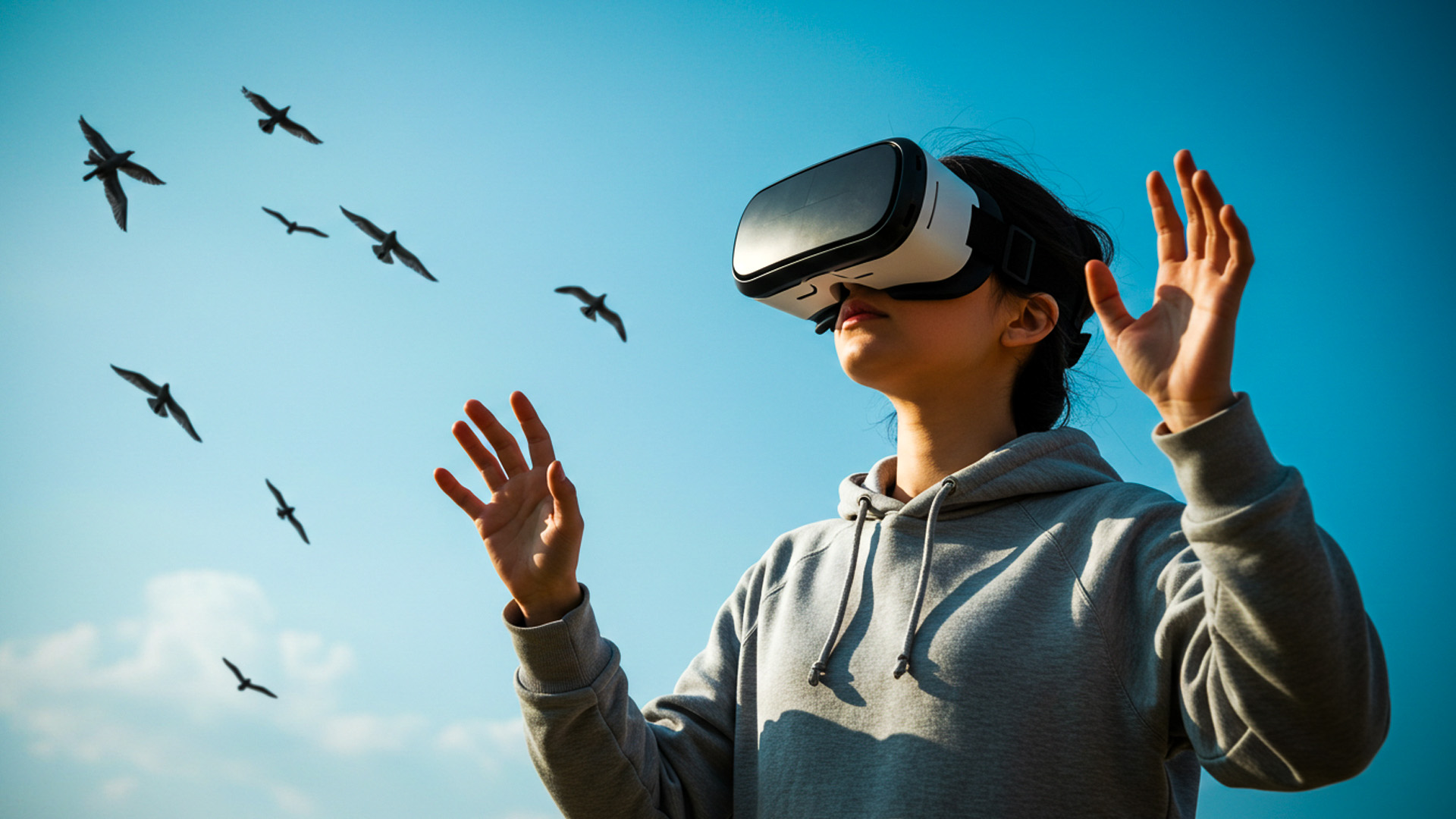
The Creative Process Behind VR Art Exhibitions
Conceptualization Meets Cutting-Edge Technology
The creative process behind VR art exhibitions is a symbiotic relationship between conceptual vision and cutting-edge technology. In South Africa, artists and technologists collaborate to forge narratives that harness digital innovation to explore complex cultural, social, and historical themes. This collaborative environment sparks a vibrant exchange of ideas, where abstract concepts are translated into tangible, interactive experiences. The process often involves brainstorming sessions, technical prototyping, and iterative testing, culminating in artworks that are as intellectually rigorous as they are visually captivating. The fusion of creative ideation with technological prowess produces exhibits that are both pioneering and deeply reflective of the contemporary zeitgeist.
Picture a creative studio filled with digital sketches, 3D renderings, and VR headsets, where artists passionately debate and experiment with novel forms of expression. Every idea is dissected, refined, and reimagined, as the team navigates the intricate interplay between artistic expression and technical feasibility. This process resembles a modern-day alchemy, where raw creativity is transmuted into immersive digital realities. The painstaking effort is rewarded by exhibitions that not only push the boundaries of art but also spark dialogue among diverse audiences. In this realm, every pixel and polygon is a testament to the transformative potential of technology when channeled through an artistic lens.
Collaborative Efforts Between Artists and Technologists
In the realm of VR art exhibitions, collaboration between artists and technologists is the engine that drives revolutionary creativity. South African innovators come together in interdisciplinary teams, blending artistic intuition with engineering precision to craft immersive experiences that resonate on multiple levels. These teams work in concert, each member contributing their unique skills to solve complex creative challenges. The cross-pollination of ideas leads to breakthroughs that would be impossible in silos, as technical experts provide the tools and frameworks, while artists infuse the work with soul and vision. This collaboration produces works that are not only visually stunning but also conceptually profound, transforming audience engagement into an interactive art form.
Imagine a collaborative workshop where the energy is palpable, and every brainstorming session feels like a dance between logic and imagination. In these creative hubs, the boundaries between art and science blur, giving rise to exhibits that vibrate with innovation and emotion. Technologists provide the digital scaffolding, enabling artists to explore new media and push the limits of interactivity. The resulting art is a celebration of collective effort, where every element is meticulously crafted to enhance both the aesthetic and experiential quality of the exhibition. This interdependent process fosters a culture of experimentation and shared vision, laying the groundwork for future innovations in the art and technology nexus.
Experimentation, Feedback, and Artistic Evolution
Experimentation is at the heart of VR art exhibitions, where feedback loops and iterative refinement fuel artistic evolution. In South Africa, artists are unafraid to take bold risks by testing unorthodox ideas within virtual realms, gathering audience feedback to continually shape and refine their work. Each exhibition becomes a living experiment—a crucible where digital aesthetics merge with real-world responses to inform the next creative iteration. This dynamic process is akin to a dialogue between the creator and the observer, where every interaction serves as a catalyst for future innovation. The persistent cycle of testing, learning, and evolution manifests in exhibits that remain fresh, engaging, and forward-thinking.
Visualize an artist meticulously adjusting virtual light, sound, and spatial elements based on visitor interactions, fine-tuning each detail to enrich the overall narrative. This relentless pursuit of perfection transforms the creative journey into an ongoing experiment that is both challenging and exhilarating. With every iteration, the work grows more sophisticated, echoing the evolution of technology itself. The convergence of empirical insights and artistic daring produces a vibrant tapestry of innovation, where each feedback cycle unlocks new creative dimensions. Such continuous evolution not only refines the artistic output but also reaffirms VR as a fertile medium for exploring the limitless possibilities of human expression.
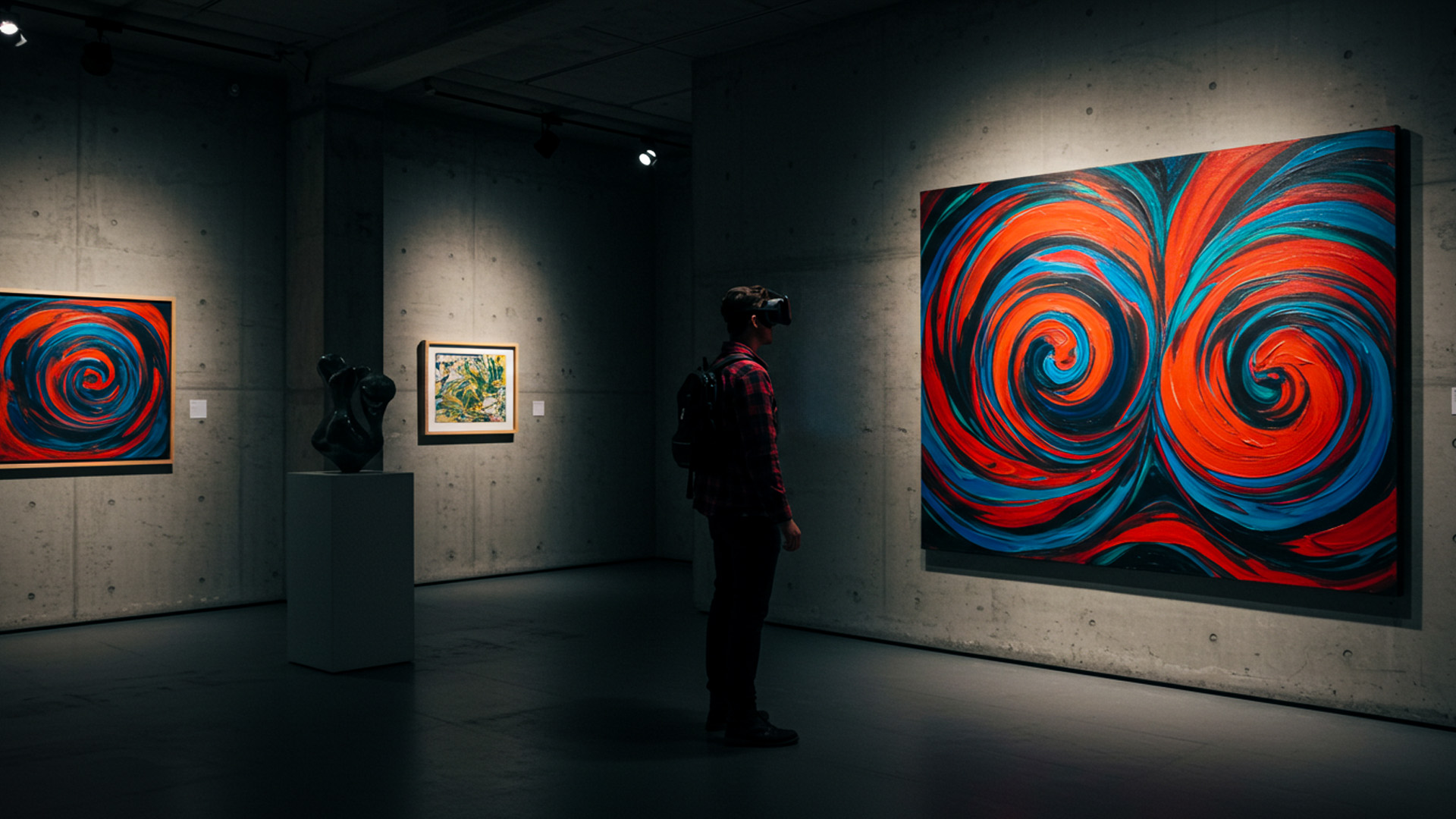
Future Horizons: The Evolution of VR in South African Art
Anticipating Trends and Shaping the Market
As VR art exhibitions gain traction in South Africa, industry leaders and creative visionaries are anticipating trends that will shape the future of cultural expression. Market insights reveal a growing appetite for immersive experiences that blur the line between digital fabrication and tactile engagement. Innovators are adopting a forward-thinking approach, forecasting the integration of advanced algorithms, artificial intelligence, and haptic feedback to further enhance interactive art forms. This proactive stance is driving a paradigm shift, where market dynamics and audience expectations converge to create novel business models that value both artistic integrity and technological ingenuity. The future of VR art is one that balances creative exploration with commercial viability, forging pathways that invite both artistic expression and sustainable growth.
Imagine a scenario where curators and technologists seamlessly collaborate with market analysts to predict emerging trends in digital art. This fusion of commerce and creativity creates a robust ecosystem, where every innovation is tempered by strategic foresight and artistic ambition. The burgeoning market for VR art exhibitions not only reflects a deep cultural shift but also signals a readiness for transformative experiences that captivate and inspire. As stakeholders invest in research, development, and creative experimentation, the art scene is poised to experience a renaissance fueled by cutting-edge technology and forward-thinking vision. This evolution heralds a future where cultural narratives are not only preserved but reinvented through immersive, interactive experiences.
Augmenting Realities: Virtual and Physical Fusion
The future of VR in South African art lies in the artful fusion of virtual and physical realities, where digital landscapes enhance and interact with tangible spaces. This convergence challenges conventional boundaries by transforming gallery spaces into hybrid realms, where art exists in both physical and cyber dimensions simultaneously. The dynamic interplay between virtual overlays and actual installations creates new vistas of sensory engagement, inviting audiences to experience art on multiple levels. As artists and technologists harness advanced projection mapping, spatial computing, and real-time data integration, the traditional museum and gallery paradigms are reimagined into multifaceted experiential hubs that celebrate both analog beauty and digital innovation.
Imagine stepping into a space where a physical sculpture is augmented by an ethereal digital aura that shifts with ambient sound and motion. This synthesis of virtual and physical worlds creates an extraordinary spectacle, evoking the fluidity of liquid metal merging with the solidity of stone. The resulting environments are immersive and interactive, where each visitor becomes part of an evolving art installation that adapts to real-time sensory inputs. By transcending the limitations of static display, artists forge connections that resonate deeply with the modern sensibility—an organic blend of tradition and futurism that transforms perception itself. This visionary blend paves the way for unprecedented art experiences, where every element of the exhibit contributes to a cohesive and captivating narrative.
Sustaining Innovation in a Rapidly Evolving Landscape
The journey of VR in South African art is marked by a continuous pursuit of innovation, driven by a commitment to overcoming technological and creative challenges. Amid a rapidly evolving digital landscape, institutions and independent artists alike are dedicating resources to sustain advancements through research, skill development, and cross-sector collaborations. This pursuit is underpinned by the understanding that true artistic innovation thrives when challenges are met with adaptive strategies, be it through continual software updates, novel hardware integrations, or inventive conceptual frameworks. By embracing an iterative approach to creative and technical evolution, the art community remains agile and resilient, ensuring that VR exhibitions remain dynamic, fresh, and resonant with evolving audience expectations.
Picture a scenario where collaborative research initiatives and creative think tanks regularly convene to brainstorm solutions that push the frontiers of VR art. In these vibrant exchanges, every obstacle is transformed into an opportunity for reinvention—a testament to the tenacity and ingenuity of South African artists. This proactive commitment to sustained innovation is a key driver in shaping a cultural ecosystem that continues to attract global attention and admiration. With each breakthrough, the boundaries between digital artistry and experiential reality blur further, promising a future where artistic expression remains unbounded by traditional constraints. The result is a thriving landscape where persistent innovation not only cultivates creative excellence but also sets the stage for the next era of immersive art experiences.

The Evolution Of Vr In South African Art
Author: Elisha Roodt
Delivering expert insights into virtual reality, 360° production, and the immersive technological evolution across South Africa.