
Virtual Reality in Sports Training
Author
Elisha Roodt
Date Published
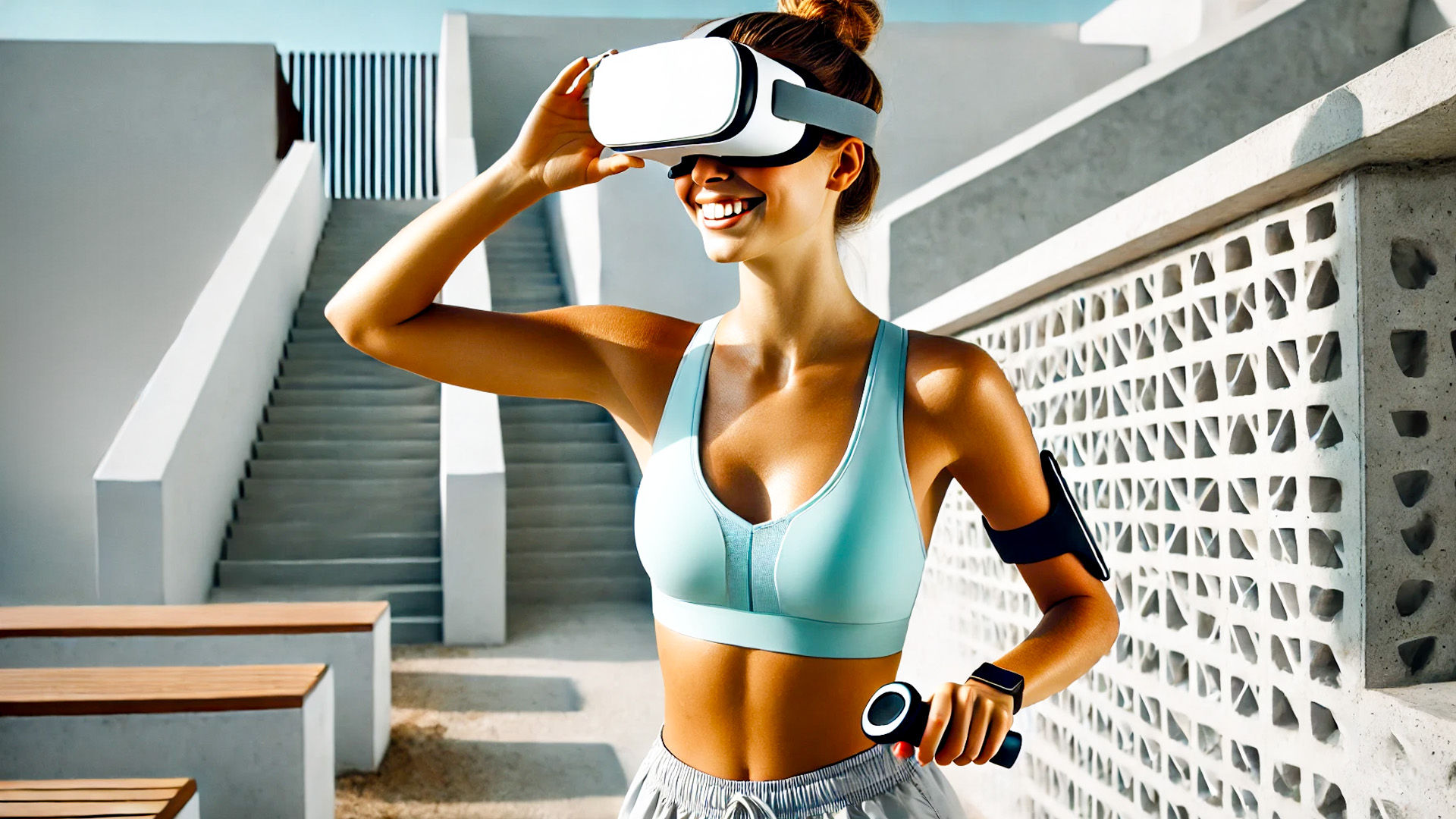
Why Virtual Reality is a Game-Changer in Sports Training
Virtual Reality (VR) has ushered in a transformative shift in the way athletes train and prepare for competitions. Gone are the days when practice was limited by the availability of physical spaces, weather conditions, or the presence of training partners. VR immerses athletes in lifelike environments where they can refine their skills, explore tactics, and experience game scenarios without leaving the comfort of a training facility. This technology not only simulates real-world challenges but also offers the chance to repeat actions and refine strategies with unparalleled precision.
The immersive nature of VR engages multiple senses, making it an effective tool for muscle memory development and mental conditioning. Athletes can engage with a virtual environment that replicates the high-pressure scenarios they encounter during actual matches, helping them acclimate to stress and respond more effectively when the stakes are high.
The Growing Adoption of VR Technology in Professional and Amateur Sports
While initially embraced by elite athletes and professional teams, VR is now making waves in amateur sports and youth development programs. Professional leagues such as the NFL, NBA, and Formula 1 have integrated VR into their training regimens to simulate competitive environments, analyze player movements, and improve tactical decisions. Meanwhile, amateur athletes are leveraging VR to gain a competitive edge, practicing without constraints like weather delays or venue limitations.
Sports academies and coaching institutions are increasingly integrating VR into their programs, making it accessible to younger athletes. As VR headsets become more affordable and software solutions cater to a wider range of sports, the gap between professional and amateur training resources continues to narrow.
The Role of VR in Enhancing Athletic Performance
Simulating Real-Game Scenarios for Mental and Physical Preparation
VR immerses athletes in detailed game scenarios, enabling them to rehearse strategies and hone their instincts in a controlled environment. By placing athletes in realistic simulations of competitive situations, VR allows for comprehensive preparation that encompasses both physical and mental aspects of the sport. For example, a quarterback can run virtual plays to improve decision-making while under simulated pressure, experiencing the intense rush of a live game. Similarly, tennis players can anticipate the trajectory of a virtual ball to practice volleys and returns, refining their reflexes and shot accuracy. This type of preparation not only enhances physical readiness but also boosts mental agility, allowing athletes to enter competitions with heightened confidence and a clearer understanding of tactical dynamics. The ability to visualize and react to various game scenarios equips athletes with the skills to handle unpredictability during actual matches, promoting a more strategic approach to competition.
Building Muscle Memory Through Repetitive VR Drills
Muscle memory is essential for peak athletic performance, as it allows athletes to execute complex movements with precision and ease. VR facilitates this by allowing athletes to engage in repetitive drills without the physical strain of real-world practice. Whether it's a basketball player perfecting free throws or a golfer practicing their swing, VR enables precise, repeated movements in a virtual setting. This method not only provides instant feedback but also allows athletes to focus on their technique without the distractions of a live environment. Over time, these repetitions are encoded in the athlete’s muscle memory, ensuring smoother, more automatic execution under real-world pressure. The capacity to practice movements consistently can lead to significant improvements in performance, as athletes develop an innate sense of timing and coordination that translates directly to their sport.
Reducing Injury Risks with Safe Practice Environments
VR offers athletes a risk-free training space, significantly reducing the likelihood of injuries. In traditional training, the risk of overexertion or improper technique can lead to injuries that hamper an athlete's career. Simulated environments allow players to rehearse dangerous or high-impact moves without physical contact, creating opportunities for practice that would otherwise be too risky. Football players can practice tackling techniques, refining their skills in a safe context, while gymnasts can work on complex routines without the physical toll associated with live practice. This form of virtual practice not only extends careers by preventing overuse injuries and fatigue-related accidents but also promotes a healthier training regimen. As athletes can practice extensively without the accompanying physical strain, they can maintain higher levels of fitness and readiness, ultimately leading to better performance on the field or court.
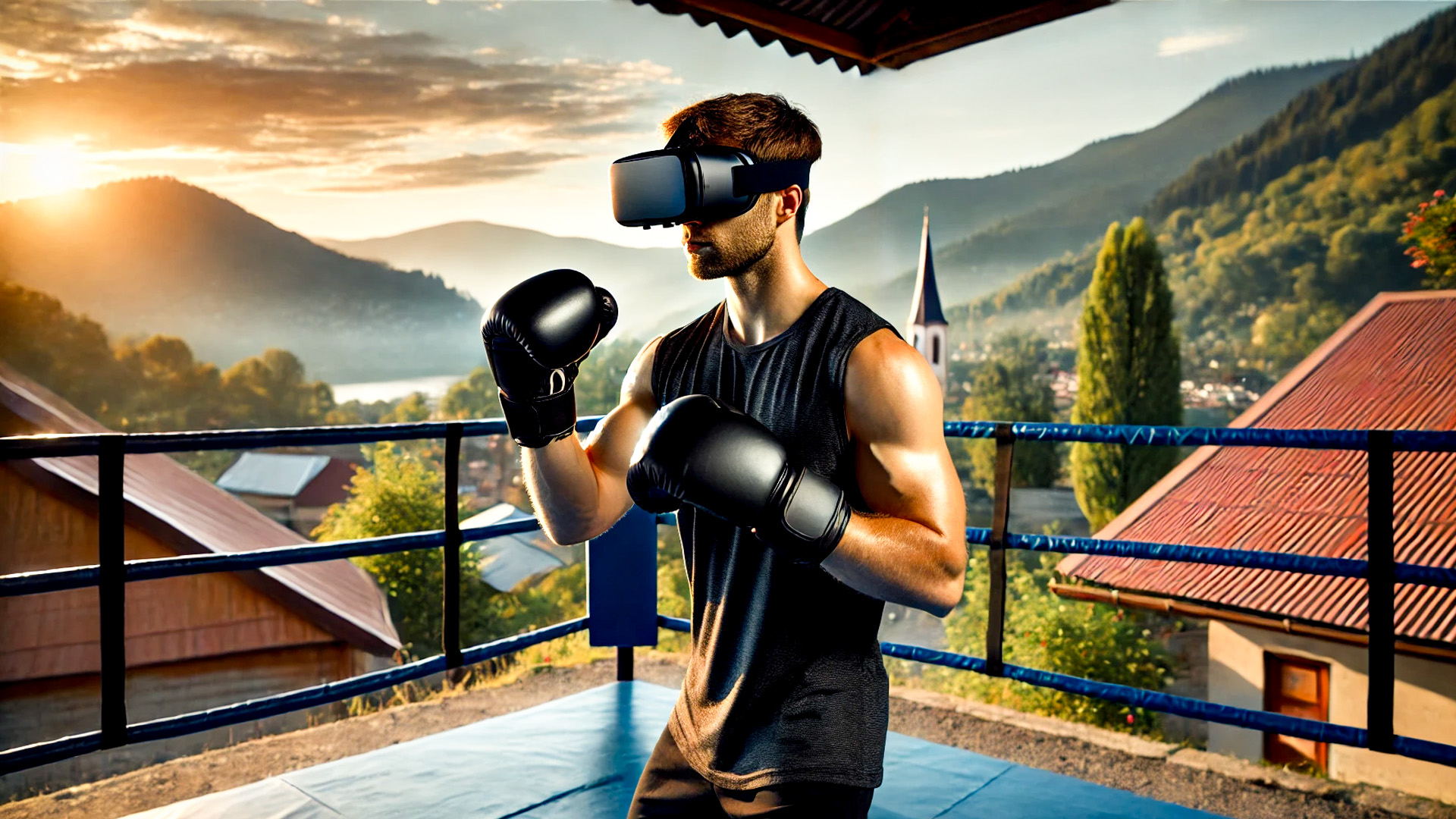
Virtual Reality for Skill Development Across Sports Disciplines
VR for Precision and Focus in Individual Sports like Golf and Tennis
In individual sports where precision is paramount, VR acts as a highly effective personal trainer. For golfers, VR technology provides the opportunity to practice their putts on virtual greens that replicate various terrains and weather conditions. This immersive experience allows them to fine-tune their technique and develop a deeper understanding of how different environmental factors can affect their shots. By adjusting their stance, grip, and swing based on real-time feedback, golfers can experiment with various approaches to achieve optimal performance. Similarly, tennis players can simulate matches against virtual opponents, honing their accuracy and focusing on critical moments like serves and match points. This virtual practice environment allows athletes to break down their movements and decision-making processes, enabling them to build muscle memory and mental resilience that translates to on-court performance. The ability to repeatedly practice under simulated conditions enhances focus and prepares athletes for the pressures of competition.
Using VR for Team Coordination and Strategy Planning in Football and Basketball
Team sports benefit immensely from VR as players can explore strategies and formations collaboratively in a dynamic, interactive setting. For example, football players can walk through offensive and defensive plays within a virtual environment, enhancing synchronization and communication among team members. This approach allows players to visualize their roles within various formations, ensuring that everyone understands their responsibilities during crucial game moments. Basketball teams can also simulate in-game situations to identify optimal passing lanes and defensive coverage, allowing players to develop a shared understanding of strategy and teamwork. By practicing these complex interactions in a risk-free virtual space, teams can improve their overall chemistry and cohesion. The ability to experiment with different plays and formations fosters creativity and adaptability, ensuring that teams are better prepared for the unpredictability of real games.
Enhancing Reaction Time and Decision-Making Skills
VR exposes athletes to fast-paced simulations that are designed to sharpen their reaction times and decision-making skills. Goalkeepers, for instance, can practice saving penalties by reacting to virtual shots fired at them from various angles and speeds. This controlled environment enables them to develop quick reflexes and improve their ability to anticipate opponents’ movements. Similarly, racing drivers can enhance their decision-making skills by navigating virtual tracks with split-second precision, simulating high-stakes scenarios that demand rapid responses. This type of mental conditioning ensures that athletes remain alert and decisive under pressure, translating their VR training into real-world scenarios. By immersing themselves in intense, high-pressure simulations, athletes can build confidence in their abilities and prepare to handle the demands of competition, leading to improved performance when it counts the most.
Coaches and Performance Analysis Using VR
Breaking Down Player Movements with 3D Performance Analytics
Coaches can leverage VR’s 3D analytics to dissect every movement an athlete makes, offering insights that were previously difficult to obtain. With advanced motion capture technology, VR allows for the analysis of body mechanics in granular detail, enabling coaches to observe not just how an athlete performs, but why certain movements may be inefficient. For example, a coach might identify that a sprinter's arm movement is misaligned, which could lead to slower times or increased risk of injury. By providing this level of feedback, coaches can recommend targeted improvements, such as adjustments in posture or technique. This detailed analysis enhances both form and function, allowing athletes to refine their skills and reduce the risk of injury. The combination of visual data and expert coaching can be a game-changer, empowering athletes to reach their peak potential more effectively than through traditional training methods.
Real-Time Feedback and Tactical Adjustments Using VR Sessions
VR empowers coaches to provide real-time feedback during training sessions, transforming the coaching dynamic. If a player takes an incorrect position or misses a cue, the coach can pause the virtual session, highlight the error, and offer corrective advice in the moment. This interactive coaching style accelerates learning by allowing athletes to understand their mistakes immediately and make necessary adjustments on the spot. Additionally, the immersive nature of VR keeps athletes engaged and focused, fostering a deeper connection with their training. This real-time intervention not only improves performance consistency but also builds the athletes' confidence as they see their progress unfold within the virtual environment. The ability to make tactical adjustments in real-time further enhances team dynamics, as players can practice situational awareness and adapt to changing game scenarios effectively.
Personalized Training Plans Based on VR Data Insights
VR technology collects valuable data on an athlete's performance, which enables coaches to create highly personalized training regimens. By analyzing metrics such as movement patterns, reaction times, and overall efficiency, coaches can tailor these plans to an athlete’s specific strengths and weaknesses. For instance, a basketball player who excels in shooting but struggles with defensive maneuvers can receive a training plan that emphasizes defensive drills and situational play. This level of customization ensures that every training session is not only efficient but also impactful, maximizing the athlete's potential for improvement. As the athlete progresses, VR can continuously update and refine training plans based on new data, fostering an environment of constant growth. This adaptability ensures that athletes are always challenged appropriately and can focus on areas that will yield the most significant performance gains, ultimately leading to greater success in their respective sports.
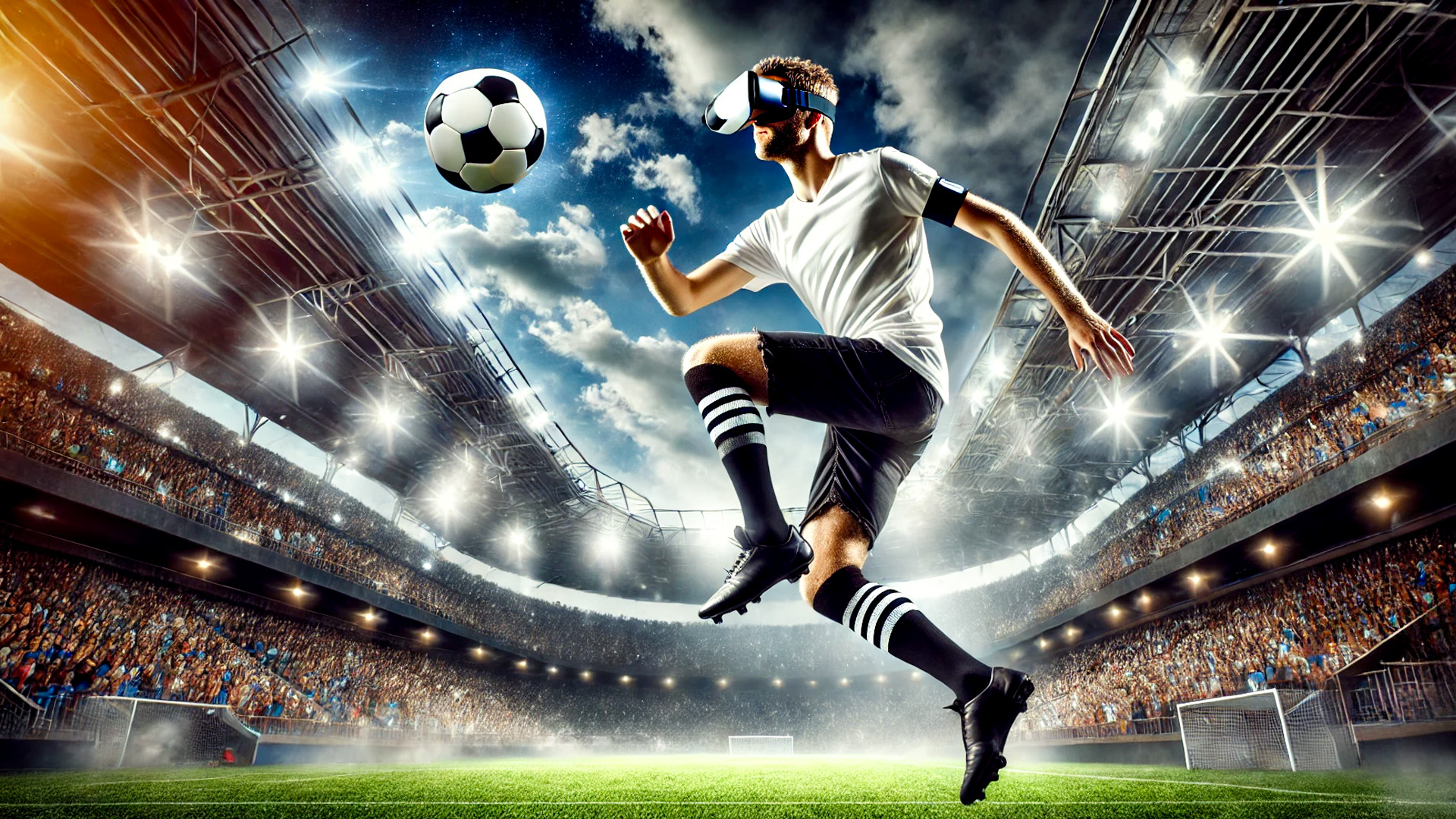
The Psychological Edge: Mental Conditioning Through VR Training
Overcoming Performance Anxiety with Virtual Crowd Simulation
Facing a large, expectant crowd can overwhelm even the most experienced athletes, leading to performance anxiety that affects their game. VR technology offers a solution by simulating stadium environments, enabling athletes to acclimate to the noise, distractions, and pressure associated with live audiences. By practicing in virtual arenas filled with cheering or jeering fans, athletes gain valuable exposure to the sights and sounds that typically induce stress. This controlled environment allows them to confront their fears in a safe space, learning techniques to manage anxiety and maintain focus during pivotal moments. Through repeated practice, athletes can develop coping strategies and routines that help them remain composed when it truly matters, transforming their approach to competition and enhancing their overall performance under pressure.
Visualizing Success: How VR Aids in Mental Rehearsal and Focus
Visualization is a powerful tool in sports psychology, serving as a mental rehearsal technique that can enhance performance. VR elevates this practice by immersing athletes in lifelike scenarios where they can mentally rehearse successful outcomes. Whether it’s visualizing a winning shot, a perfectly executed play, or crossing the finish line first, VR allows athletes to experience these moments as if they were real. This immersive practice helps build confidence, as athletes not only visualize success but also feel the accompanying emotions and physical sensations. By aligning their mental focus with their physical actions, athletes reinforce positive behaviors and outcomes, making them more likely to execute effectively during real competitions. The ability to engage in this detailed mental rehearsal process ultimately leads to improved concentration and performance consistency.
VR for Cognitive Load Management and Pressure Handling
Cognitive load—managing multiple tasks under pressure—is a challenge many athletes face, especially during critical moments in competition. VR exposes players to complex, multi-layered situations that replicate the pressures of a live game. By simulating high-stakes scenarios where they must make quick decisions while managing various factors, athletes can develop strategies to navigate cognitive load effectively. This mental training enables them to break down tasks, prioritize actions, and remain focused amidst chaos. As athletes become accustomed to handling distractions and managing competing demands, they can perform effectively even in high-stress environments. The skills gained through these VR experiences enhance not only their cognitive resilience but also their ability to remain calm and decisive when the pressure is on, ultimately contributing to better overall performance in their respective sports.
How VR is Revolutionizing Injury Recovery and Rehabilitation
Immersive Physical Therapy for Speeding Up Recovery
Athletes recovering from injuries often struggle with motivation and consistency, which can hinder their rehabilitation progress. VR-based rehabilitation programs offer a compelling solution by providing engaging, immersive exercises that motivate athletes to complete their therapy sessions. These virtual environments transform traditional physical therapy into a dynamic and enjoyable experience, making recovery feel less monotonous and more purposeful. By immersing athletes in interactive scenarios, such as navigating obstacle courses or participating in virtual competitions, VR keeps them engaged and focused on their recovery goals. This heightened level of engagement not only enhances adherence to rehabilitation protocols but also fosters a sense of achievement as athletes progress through various challenges. As a result, VR can significantly accelerate the recovery process, allowing athletes to return to their sports more quickly and effectively.
Rebuilding Confidence in Athletes with VR Rehab Exercises
Injured athletes often grapple with fear and hesitation during their recovery, which can impede their ability to regain full functionality. VR rehab exercises serve as a powerful tool to help athletes rebuild their confidence by allowing them to perform movements safely within a virtual space. For instance, an athlete recovering from a knee injury can practice running and jumping in a controlled environment, minimizing the fear of re-injury. As they gradually increase the complexity and intensity of the exercises, they restore trust in their physical abilities, facilitating a smoother transition back to full performance. The immersive nature of VR also helps athletes visualize successful outcomes, reinforcing positive mental associations with their movements. By fostering a sense of security and accomplishment, VR aids athletes in overcoming psychological barriers, enabling them to regain their confidence and prepare for competition.
Tracking Recovery Progress Using Motion-Capture Technology
Motion-capture technology integrated into VR plays a crucial role in tracking an athlete’s progress throughout rehabilitation. This advanced data-gathering capability provides measurable insights into various aspects of movement, such as range of motion, strength, and coordination. By analyzing this data, trainers and medical staff can make informed adjustments to treatment plans as needed, ensuring that each athlete receives personalized care tailored to their specific recovery needs. This ongoing progress tracking not only helps maintain motivation but also ensures that athletes recover at an optimal pace, minimizing the risk of re-injury. As athletes see tangible evidence of their improvements, they are more likely to stay committed to their rehabilitation regimen. Ultimately, the combination of immersive VR experiences and precise motion-capture technology creates a comprehensive and effective approach to physical therapy, paving the way for a successful and sustainable return to sport.
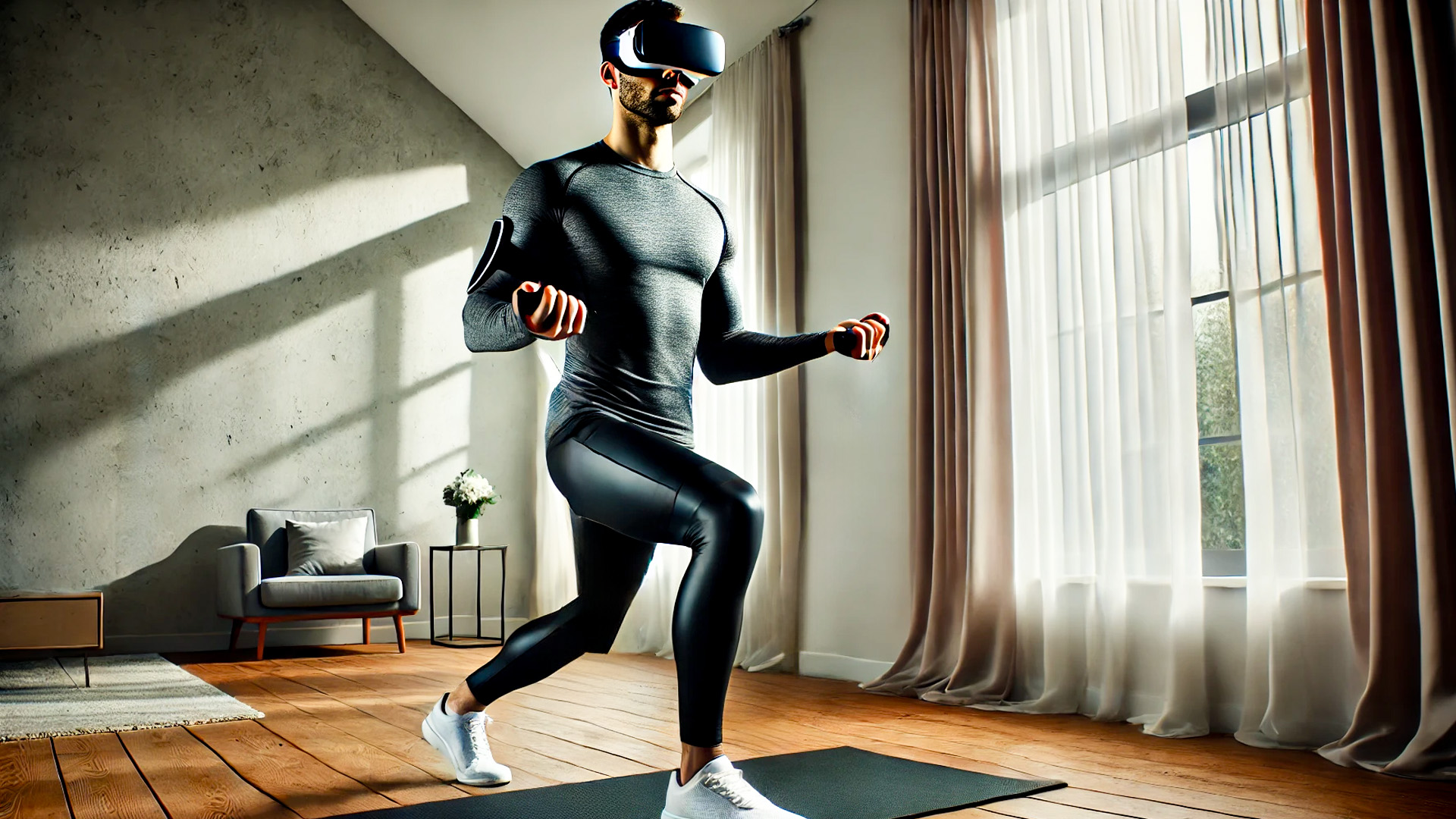
Case Studies: Success Stories of Athletes Using VR in Training
How NFL Players Use VR to Perfect Play Execution
NFL teams have increasingly adopted VR technology to enhance their playbooks and refine their strategies. Quarterbacks, for example, utilize VR to rehearse different routes and formations, allowing them to visualize and practice plays in a realistic, immersive environment. This technology enables them to make adjustments based on simulated virtual opponents, which helps develop their decision-making skills and reaction times. By engaging in this detailed rehearsal process, quarterbacks can anticipate defensive movements and learn to read the field more effectively. The ability to experience various game scenarios in advance translates into sharper performance on game day, as players feel more prepared and confident. This practice reduces the cognitive load during actual games, allowing athletes to focus on execution rather than strategizing in real time. As a result, VR has become an integral part of NFL training regimens, elevating team performance and increasing the chances of success on the field.
Formula 1 Drivers and VR Simulators for Race Preparation
Formula 1 drivers heavily rely on VR simulators to familiarize themselves with new tracks, providing them with a crucial edge in competitive racing. These virtual sessions allow drivers to practice and perfect their racing lines, enabling them to understand the nuances of each circuit before they hit the asphalt. By immersing themselves in these simulations, drivers can experiment with different overtaking maneuvers and practice navigating challenging turns, all without the risk of physical harm that comes with actual driving. The VR environment replicates real-world conditions, including factors like tire wear and weather variations, allowing drivers to refine their strategies and make informed decisions on race day. This advanced preparation helps them react more swiftly and accurately during races, leading to improved lap times and overall performance. As a result, the use of VR technology has become a staple in the training routines of elite Formula 1 drivers, enhancing their readiness and competitiveness.
The Rise of VR Training in Olympic Sports: Lessons from Medalists
Olympians have started to embrace VR as a powerful tool to fine-tune their skills before competitions, recognizing its potential to enhance performance in high-stakes environments. Sports such as archery, skiing, and rowing have greatly benefited from virtual simulations that closely replicate real-world conditions. For instance, archers can practice their aim and focus by visualizing targets in different settings, while skiers can navigate virtual slopes to analyze their techniques and improve their form. Rowers can engage in simulations that mimic race conditions, allowing them to optimize their performance strategies and refine their strokes. By incorporating VR into their training regimens, athletes gain valuable insights into their skills and can identify areas for improvement. Additionally, this technology allows for mental rehearsal, helping athletes visualize successful outcomes and build confidence before competition. The increasing adoption of VR training in Olympic sports highlights its effectiveness in preparing athletes for the challenges they will face, ultimately contributing to their success on the world stage. As more athletes leverage this innovative technology, we can expect to see continued advancements in training methods across various sports disciplines.
Challenges and Future of VR in Sports Training
Overcoming Technical Limitations and Accessibility Issues
Despite its numerous benefits, VR still faces significant technical challenges that hinder its widespread adoption in sports training. Hardware limitations, such as the need for high-performance computers and specialized headsets, can be cost-prohibitive for many teams and athletes. Additionally, software glitches can disrupt training sessions and lead to frustration for both athletes and coaches. These technical issues can detract from the immersive experience that VR is designed to provide, limiting its effectiveness as a training tool. Furthermore, not all teams—especially those at the amateur or grassroots levels—have access to high-quality VR setups, which creates disparities in training opportunities. This accessibility issue can prevent some athletes from benefiting from cutting-edge training technologies, potentially widening the gap between elite and less-resourced competitors. Addressing these challenges will be crucial for the broader acceptance and integration of VR in sports training.
Bridging the Gap Between Traditional and VR-Based Training
While VR offers unique advantages, integrating it seamlessly with traditional training methods presents its own set of challenges. Coaches must strike a balance between virtual and physical practice to ensure holistic athlete development. VR training can enhance specific skills, such as decision-making and strategy visualization, but it cannot completely replace the benefits of physical practice, such as building strength, stamina, and muscle memory. Athletes often require real-world experience to adapt to the unpredictability of competition. Finding an effective way to incorporate VR into established training regimens requires thoughtful planning and execution. Coaches need to develop comprehensive training programs that leverage the strengths of both traditional and VR-based methods, ensuring that athletes receive well-rounded development. By fostering collaboration between VR technology and conventional training approaches, teams can maximize the benefits of both worlds, ultimately enhancing athletic performance.
The Future of Sports Performance with AI-Integrated VR
As artificial intelligence (AI) integrates with VR, the future of sports training looks increasingly promising. AI algorithms have the potential to analyze VR performance data in real time, offering personalized insights and predictive analytics that can optimize training outcomes. For example, AI can assess an athlete's movements within a VR simulation and provide immediate feedback on technique, helping to identify areas for improvement more efficiently than traditional methods. Additionally, AI-driven analytics can predict an athlete's performance trends based on their training data, allowing coaches to adjust training regimens dynamically. This level of personalization ensures that each athlete receives tailored coaching that aligns with their individual needs and goals. The convergence of AI and VR not only enhances the effectiveness of training but also empowers athletes to make data-informed decisions that can lead to improved performance. As this technology continues to evolve, we can expect significant advancements in how athletes train, prepare, and ultimately compete at the highest levels.

The Impact of VR on the Future of Athletic Training and Development
Virtual reality (VR) is reshaping the future of sports training by enhancing performance, reducing injuries, and providing personalized coaching tailored to individual athlete needs. By immersing athletes in lifelike scenarios, VR enables them to practice skills in a controlled environment that closely mimics real competition. This innovative approach allows athletes at all levels—from amateurs to professionals—to develop critical techniques and strategies without the physical limitations of traditional training methods. The ability to simulate high-pressure situations helps athletes build mental resilience and prepare for the psychological demands of competition. As VR technology becomes more accessible, its integration into training regimens is not just a trend; it marks the beginning of a new era in sports development. Coaches and athletes are now recognizing the significant potential of virtual training to revolutionize how skills are honed and refined, resulting in enhanced overall performance and a reduced risk of injury during practice.
Embracing the Next Evolution in Sports Performance: VR as a Standard Training Tool
With continuous advancements in technology, VR is poised to become a standard tool in athletic training. As the technology evolves, it is expected to further blur the lines between virtual practice and real-world performance. Enhanced graphics, improved motion capture, and more realistic simulations will create increasingly immersive training experiences that closely replicate the challenges faced during actual competition. This evolution will not only improve athletes' technical skills but also refine their decision-making and cognitive abilities, essential for success in high-stakes environments. As organizations recognize the value of integrating VR into their training programs, it will become an essential part of the athletic training landscape. In a highly competitive environment, the ability to stay ahead of the curve will be crucial for athletes and teams aiming for success. By adopting VR as a core component of training, the sports industry is embracing a transformative approach that promises to optimize performance, enhance recovery, and elevate the overall athlete experience. As VR technology continues to advance, its role in shaping the future of sports training and performance will only become more prominent, paving the way for a new generation of athletes to reach their full potential.