
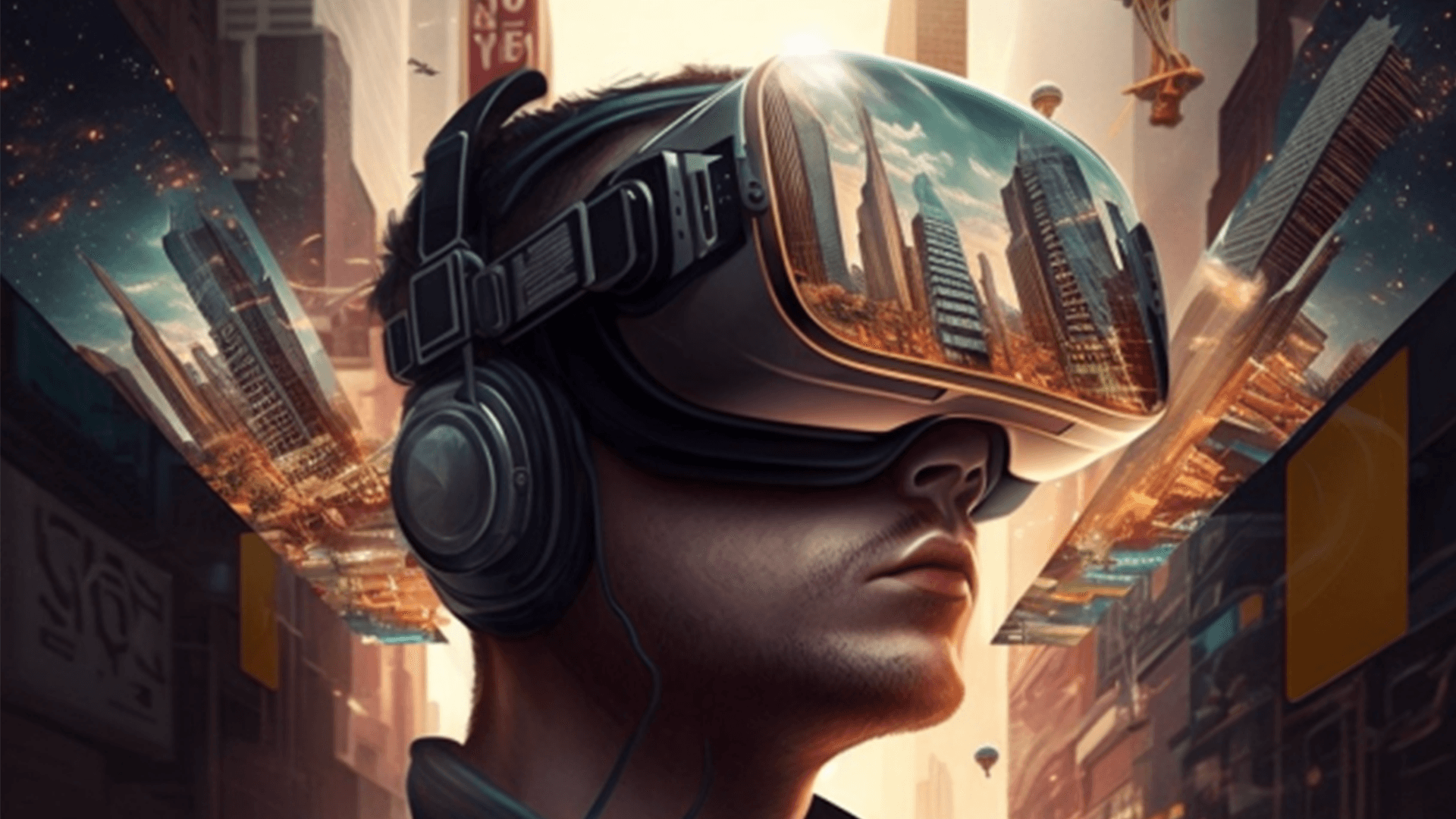
Artificial intelligence and Virtual Reality
Virtual reality (VR) is a computer-generated simulation of a three-dimensional environment that can be interacted with in a seemingly real or physical way by a person using specialized equipment, such
Virtual reality (VR) is a computer-generated simulation of a three-dimensional environment that can be interacted with in a seemingly real or physical way by a person using specialized equipment, such as a headset with a screen or gloves fitted with sensors. VR can be used to create immersive experiences, such as video games, movies, and other forms of entertainment, as well as for educational, training, and therapeutic purposes.
Artificial intelligence (AI) is the simulation of human intelligence in machines that are programmed to think and act like humans. These machines can be trained to perform tasks such as recognizing patterns, making decisions, and learning from experience. AI can be classified into two main categories: narrow or weak AI, which is designed to perform a specific task, and general or strong AI, which is designed to perform any intellectual task that a human can. AI is being used in a wide range of applications, including language translation, image and speech recognition, and autonomous vehicles.
There are many ways in which artificial intelligence (AI) can be used in virtual reality (VR)
Artificial intelligence (AI) can be used to assist with 3D modeling
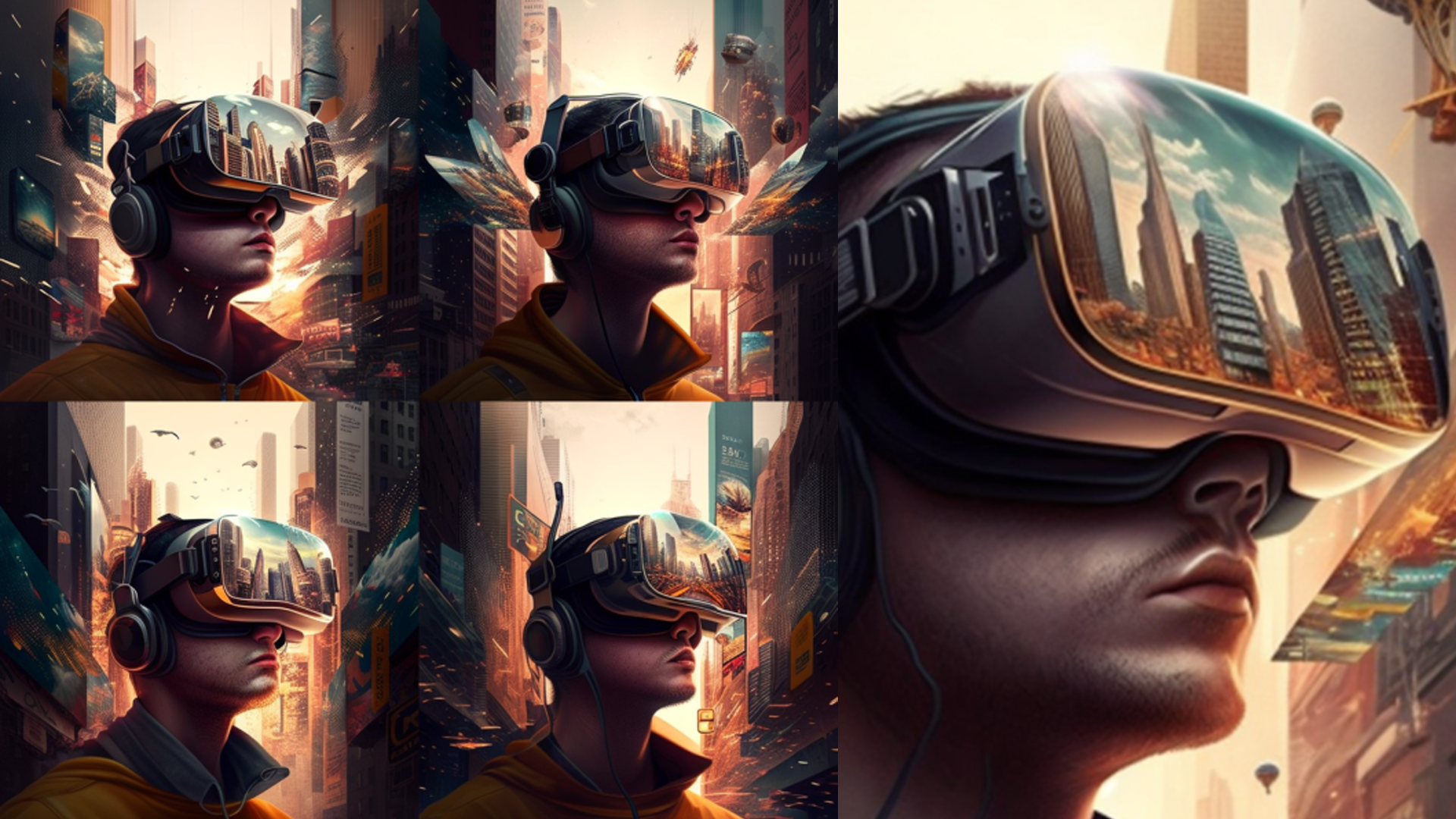
Artificial Intelligence and the Metaverse
The metaverse is a collective virtual shared space, created by the convergence of virtually enhanced physical reality and physically persistent virtual space, including the sum of all virtual worlds, augmented reality, and the internet. Artificial intelligence (AI) can play a significant role in the development and operation of the metaverse by enabling the creation of realistic and immersive virtual environments and experiences. Some examples of how
AI can be used in the metaverse include:
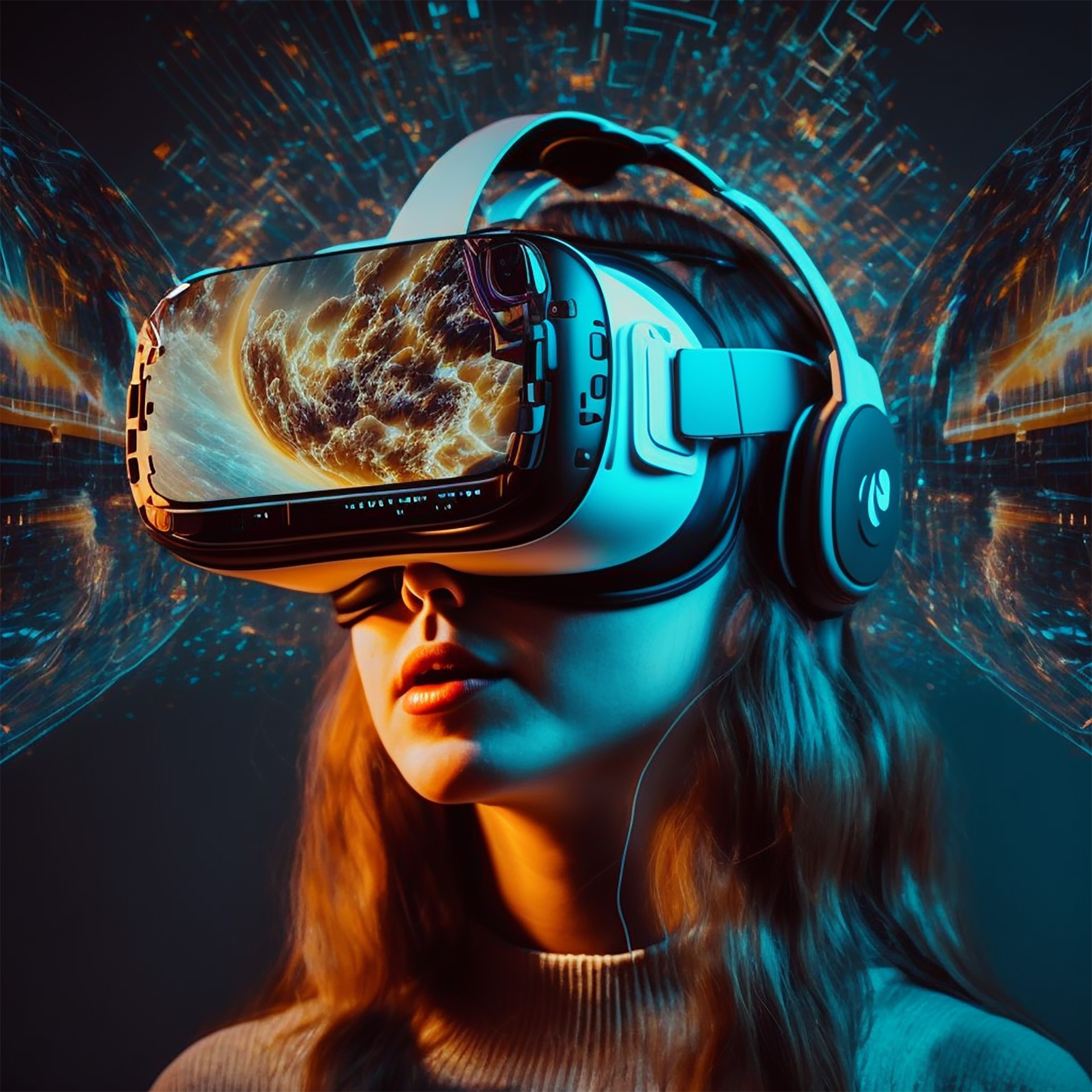
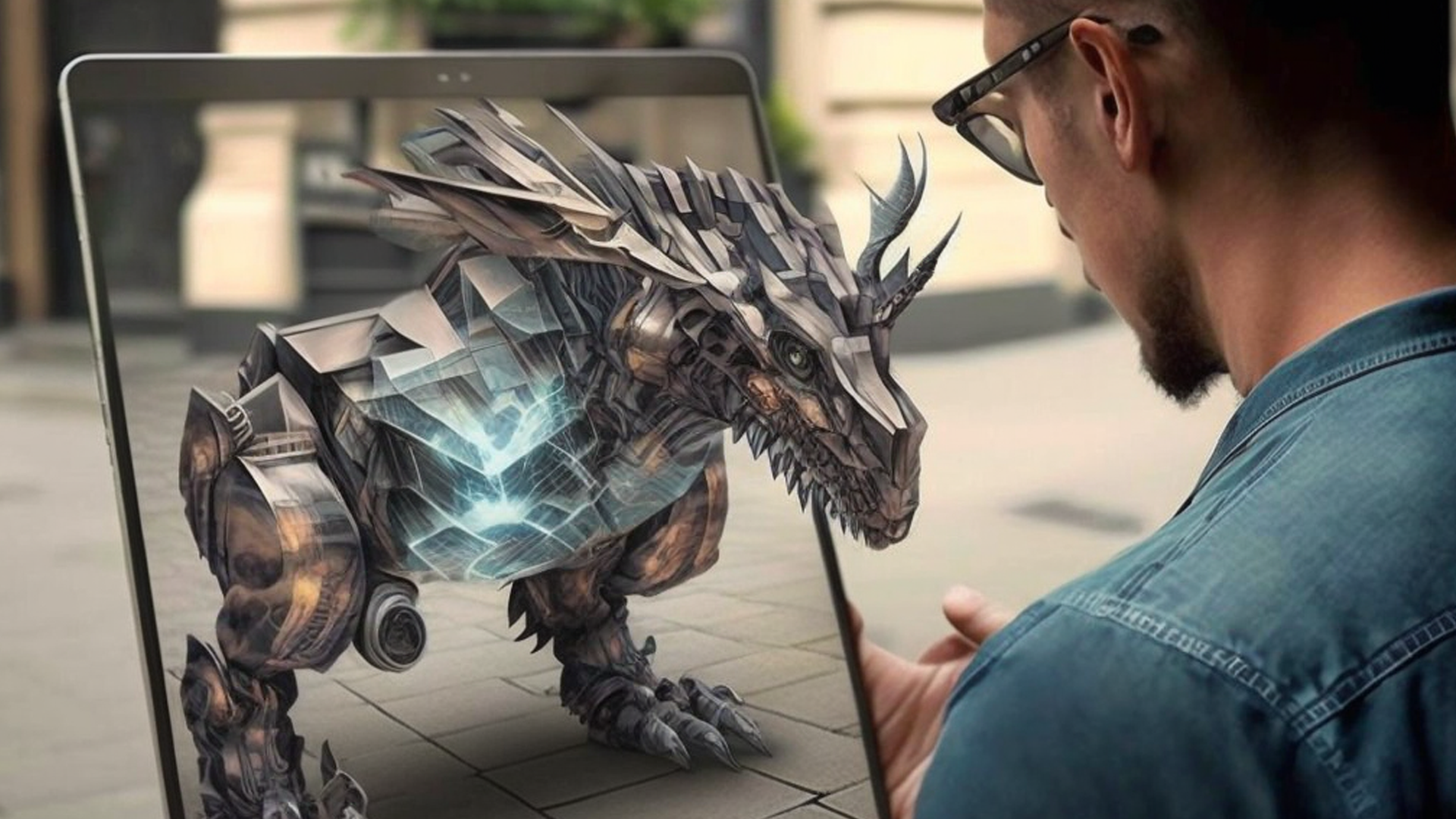
There are several benefits to using artificial intelligence (AI) in augmented reality (AR): Improved user experience: AI can be used to enhance the AR experience by enabling users to interact with virtual objects and characters in a more natural and lifelike way. For example, AI can be used to enable natural language processing, allowing users to communicate with virtual assistants using voice commands. Enhanced accuracy: AI can be used to improve the accuracy of AR content, such as by using machine learning algorithms to recognize and classify objects in the real world. This can help to ensure that the AR content is correctly aligned with the physical environment. Personalisation: AI can be used to tailor the AR experience to the individual user's interests and preferences, by recommending content or activities based on their past behavior. Increased efficiency: AI can be used to automate tasks and processes in AR applications, such as by generating content or optimizing performance. This can save time and resources for developers and users. Realistic simulations: AI can be used to create realistic simulations in AR applications, such as training simulations or virtual reality experiences. This can make the AR experience more immersive and engaging. Increased automation: AI may be used to automate more tasks and processes, potentially leading to increased efficiency and productivity in many industries. Personalized experiences: AI may be used to create more personalized experiences, such as personalized recommendations for products or services, or personalized learning plans for education. Enhanced decision-making: AI may be used to help humans make better decisions by providing data-driven insights and recommendations. Improved healthcare: AI may be used to assist with diagnosis and treatment in healthcare, as well as to improve the efficiency and accuracy of medical records and other processes. Greater accessibility: AI may be used to create more accessible experiences for people with disabilities, such as by providing tools for communication or by creating more intuitive interfaces.
Overall, while VR technology has become more accessible in recent years, there is still room for improvement in terms of cost, physical requirements, and accessibility of content.
Author: Gerald Ferreira
Delivering expert insights into virtual reality, 360° production, and the immersive technological evolution across South Africa.