

Metaverse Business Models for SMEs
A Glimpse into Virtual Frontiers for Small Enterprises Imagine stepping into a boutique that exists nowhere on Earth yet welcomes customers from...
A Glimpse into Virtual Frontiers for Small Enterprises
Imagine stepping into a boutique that exists nowhere on Earth yet welcomes customers from every corner of it. That’s the promise of the metaverse for small and medium enterprises (SMEs). Once the playground of tech giants, immersive commerce now opens doors for nimble businesses to build virtual storefronts, host unforgettable events, and deploy VR-powered marketing. This isn’t just science fiction—it’s a new marketplace where spatial presence replaces flat screens. The critical questions are: how do smaller firms enter this space, what tools are required, and what costs can they expect? Through stories, analogies, and grounded strategies, let’s unravel how SMEs can thrive in the metaverse economy.
Building Virtual Storefronts that Transcend Geography
Crafting a Digital Twin of the Boutique
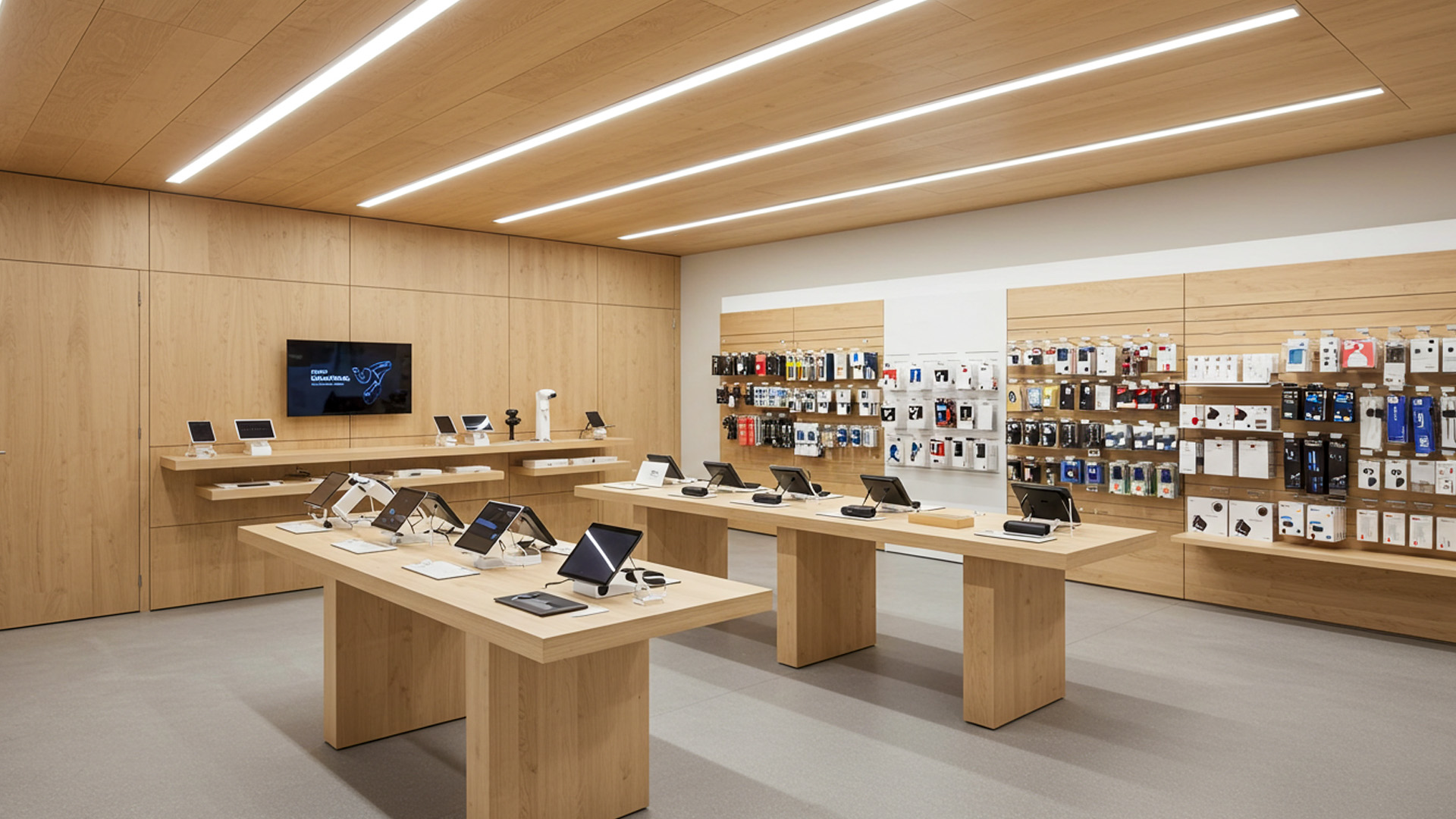
Picture a family-run bookstore in Cape Town, historically dependent on foot traffic, now recreated as a digital twin in the metaverse. Customers wearing VR headsets browse shelves, flip through previews, and even engage in real-time conversations with the shop owner’s avatar. This digital twin transforms local charm into global access. The benefit is scalability: one virtual space can serve ten customers or ten thousand, without rent spikes or geographic limits. It’s like having a permanent trade show booth open every hour of every day, minus the logistics headaches.
Technologically, SMEs don’t need Hollywood budgets to launch. Platforms such as Spatial.io, VRChat, or Meta Horizon Worlds allow drag-and-drop creation of branded spaces. With starter templates, entrepreneurs can customize walls, signage, and layouts in days rather than months. The technical requirement is modest: a capable PC for design and a subscription fee ranging from free tiers to $50–$100 per month. Just as Shopify democratized e-commerce in the early 2010s, these platforms are doing the same for immersive commerce today.
Embedding Interactivity into the Virtual Shop Floor
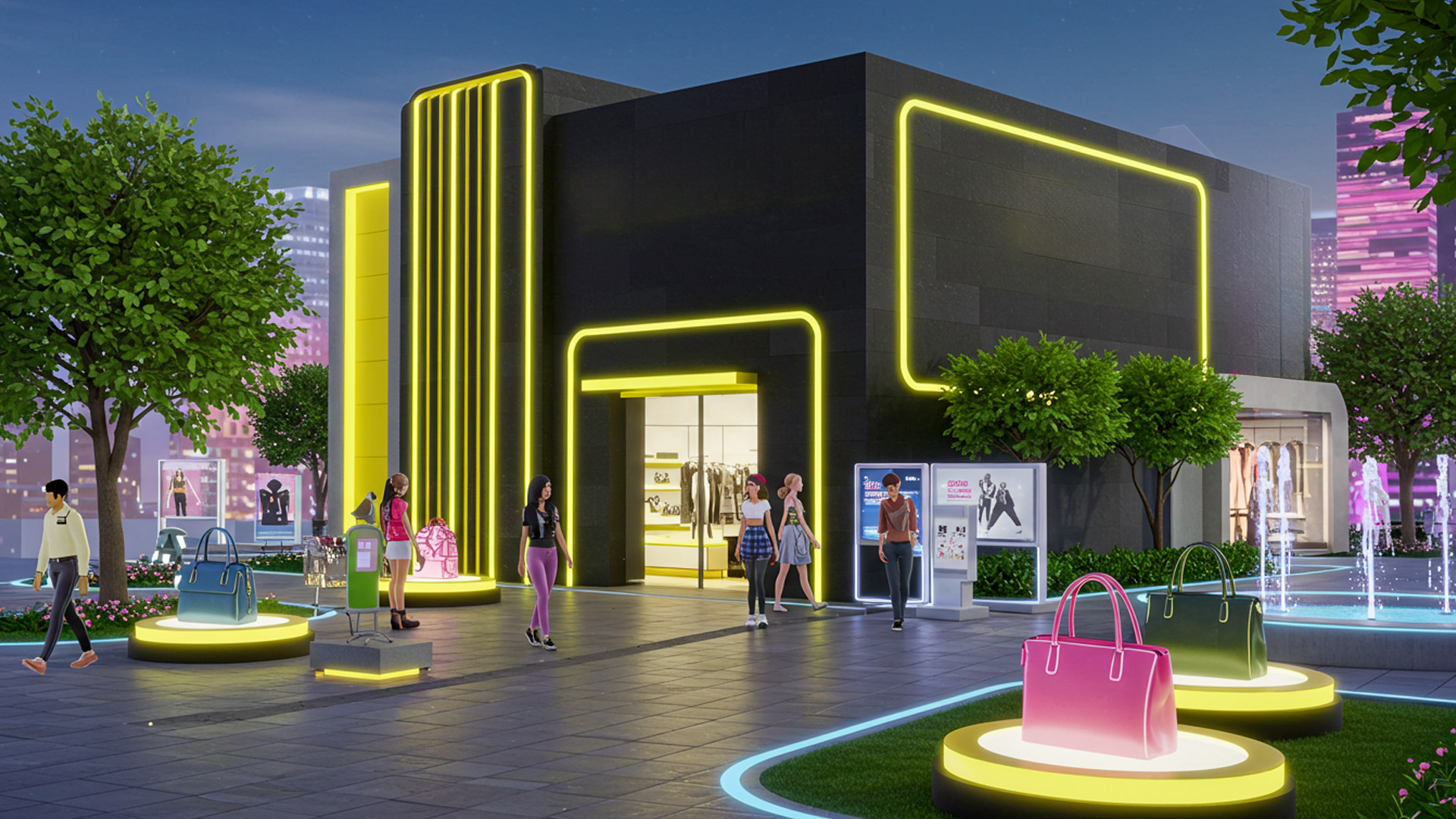
Static 3D showrooms may impress at first glance, but it’s interactivity that keeps customers exploring. Consider a virtual clothing boutique: mannequins transform into interactive avatars, allowing visitors to preview outfits on body types resembling their own. Clicking on an item could summon a holographic pop-up with sustainable sourcing data, customer reviews, and instant checkout options. These micro-interactions mimic the tactile reassurance of physical shopping while leveraging digital advantages.
For SMEs, plug-and-play plugins handle much of this. Platforms integrate with Shopify or WooCommerce, allowing direct inventory synchronization. No need for a separate database of products. Costs vary but often fall under $500 for setup plus small monthly hosting fees. The analogy is upgrading from a static flyer to a full interactive kiosk—only this kiosk exists in a limitless 3D plaza. In essence, SMEs gain the engagement power of Fortune 500 retailers at a fraction of the price.
Scaling Access Without Scaling Rent
A small crafts shop in Nairobi might only attract a few dozen locals per week. But imagine that same crafts shop inside a virtual bazaar drawing in thousands of avatars daily. This scaling is possible because digital real estate doesn’t follow the same scarcity model as physical malls. SMEs can lease or even create spaces in shared metaverse platforms at predictable, flat rates. There’s no landlord squeezing more rent just because foot traffic has surged.
From a cost perspective, early adopters often spend less than $1,000 annually to maintain their virtual storefronts, far less than renting a kiosk in a busy shopping district. It’s akin to moving from a side street stall to a global super-mall overnight. The savings can be redirected into marketing, customer experience, or even hiring part-time staff avatars to serve customers across time zones. Scalability is no longer a luxury—it’s embedded into the infrastructure of virtual storefronts.
VR Marketing Campaigns that Leave Lasting Impressions
Immersive Storytelling as a Sales Catalyst
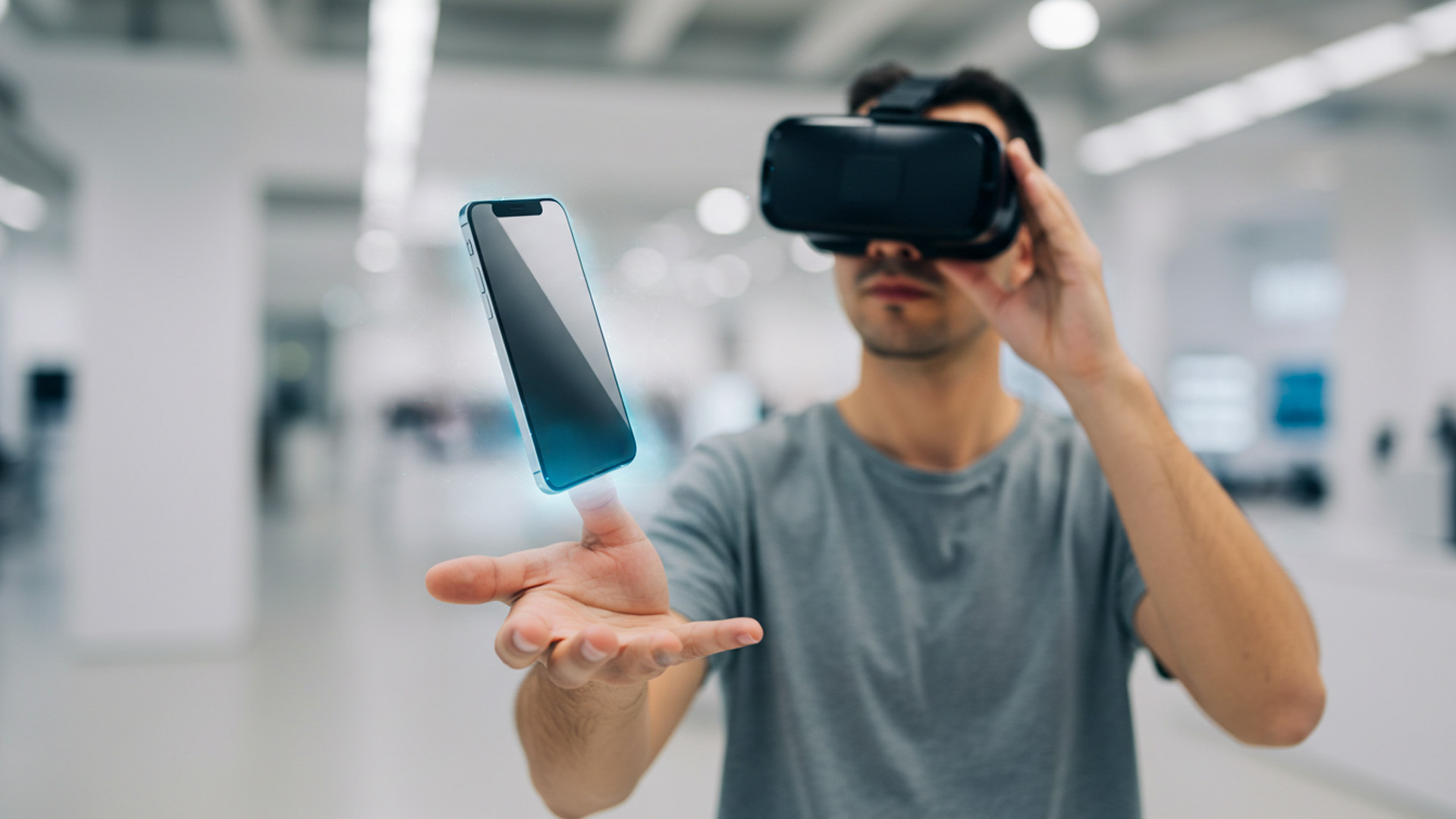
Traditional digital marketing relies on scrolling, swiping, and fleeting attention. VR campaigns flip this script by inviting customers into narratives they experience firsthand. Imagine a coffee brand transporting users into a lush Colombian plantation where they walk between coffee plants, meet farmers, and see beans roasted in real time. That visceral immersion makes slogans redundant. The customer doesn’t just hear about sustainability—they feel it.
For SMEs, immersive storytelling can be executed without Hollywood cinematography. 360° cameras like the Insta360 ONE X2 (around $400) enable affordable VR content creation. Editing software such as Unity or Unreal Engine offers free tiers for SMEs to stitch these worlds together. The campaign becomes not just an ad but a sensory memory embedded in the customer’s mind—an unforgettable imprint that outlives banner ads and email blasts.
Gamification as a Brand Magnet
What if buying artisanal chocolate could double as an adventure game? A small chocolatier might design a VR mini-game where players navigate through cocoa forests, collecting beans while learning about ethical sourcing. At the end, they receive a discount code redeemable in the virtual store. This gamification technique transforms routine shopping into an engaging quest, turning casual visitors into loyal brand advocates.
Gamified VR campaigns typically require modest budgets: around $5,000–$15,000 for a polished experience, often achievable through partnerships with indie VR developers. Compared to national TV ads costing hundreds of thousands, the ROI is extraordinary. It’s the digital equivalent of a carnival booth—small in scale but capable of creating lifelong memories for those who participate. For SMEs, the key is simplicity: fun, accessible mechanics layered with strong brand identity.
Blending VR with Social Media Virality
A campaign confined within VR headsets risks limited reach. The magic lies in bridging immersive moments back into the 2D social media landscape. Imagine a virtual bakery where customers design cakes in VR, then export screenshots or videos to Instagram with branded hashtags. The metaverse becomes both the canvas and the catalyst for viral sharing, multiplying exposure far beyond headset owners.
Tools like LIV or built-in Meta Quest recording features make this cross-platform sharing seamless. SMEs don’t need a dedicated video crew—just clever design and a sprinkle of humor. The bakery’s whimsical “gravity-defying cake challenge” could dominate TikTok trends for a week, drawing new customers who never set foot in VR but still crave a taste. The cycle mirrors how early YouTube cat videos fueled mainstream adoption of the platform, only now it’s SMEs fueling metaverse discovery.
Hosting Virtual Events as Community Anchors
Trade Shows Without Borders
Historically, SMEs had to choose between spending tens of thousands on trade show booths or being invisible. Virtual events obliterate that barrier. A small software firm in Manila can now exhibit its solutions to a global audience inside a metaverse expo. Attendees can teleport between booths, watch demos, and chat with avatars of company reps. No airfare, no shipping costs, no visa headaches—just pure connection.
The infrastructure is surprisingly accessible. Platforms like Virbela or MootUp offer ready-made virtual convention centers that SMEs can rent for as little as $500 per event. Add in headset compatibility for immersion and web browser access for inclusivity, and suddenly even microbusinesses have global reach. It’s the democratization of trade shows, flipping the advantage from corporations with deep pockets to creative small players with bold ideas.
Workshops and Masterclasses in 3D Space
Think of a yoga instructor hosting a weekly VR session in a tranquil digital temple, guiding clients across continents. Or a craft brewer running immersive workshops where participants virtually step into fermentation tanks to learn brewing secrets. These workshops combine revenue generation with community building, positioning the SME not just as a seller but as a trusted guide and educator.
The costs here are often limited to headset hardware and software subscriptions. An Oculus Quest 3 headset retails for under $500, while platforms like AltspaceVR (before its closure) or Engage provide low-cost hosting solutions. With minimal upfront spend, SMEs can transform their expertise into interactive experiences that scale infinitely. It’s the 21st-century upgrade to community bulletin board workshops—except now the bulletin board stretches across the globe.
Cultural Festivals as Brand Expressions
Beyond commerce, events in the metaverse can become celebrations of culture and identity. A small fashion brand might host an annual digital festival featuring runway shows with avatars strutting exclusive collections. A food startup could stage a “virtual street food night market,” complete with interactive cooking demos and musical performances. These aren’t mere marketing gimmicks; they are immersive festivals that root the brand in cultural expression.
Budget-wise, hosting such festivals might cost between $10,000 and $20,000, depending on complexity. Sponsorships and ticket sales can offset these investments, turning cultural expression into profitable community events. For SMEs, these festivals serve as annual milestones—a digital equivalent of a harvest season fair that strengthens bonds with both local and global audiences. The metaverse becomes not only a sales channel but a stage for identity.

Calculating Costs, Tools, and Strategic Fit
Hardware and Infrastructure Essentials
Every metaverse journey starts with hardware. For SMEs, the entry point is often standalone VR headsets like Meta Quest 3 or Pico 4, costing under $500 each. These devices require no gaming PC and run on Wi-Fi, lowering barriers dramatically. On the creator side, a mid-tier laptop with a decent GPU (around $1,000–$1,500) suffices for designing 3D spaces. The infrastructure parallels setting up a retail shop: you need lights, shelves, and cash registers—only now those are headsets, GPUs, and stable broadband.
Additional tools include Unity (free for smaller revenue brackets), Blender (free 3D modeling software), and affordable 360° cameras for VR storytelling. Compared to opening a physical storefront—which can demand $50,000–$200,000 in rent, renovations, and fixtures—the virtual counterpart offers an entry point that’s almost laughably low in contrast. SMEs can bootstrap their way into immersive commerce with the cost of a single trade show booth.
Software Platforms and Subscriptions
Virtual storefronts, events, and campaigns all rely on platforms that host and power the experiences. Free-to-entry options like Spatial.io allow SMEs to experiment before committing. More advanced platforms such as Engage or Virbela charge monthly or per-event fees, usually between $100 and $1,000 depending on scale. These fees cover hosting, user access, and sometimes analytics dashboards that provide invaluable customer insights.
It’s similar to subscribing to web hosting services in the early internet era. SMEs pay manageable fees in exchange for reliable infrastructure. The advantage is agility: if one platform fails to deliver, businesses can migrate with relative ease. Unlike physical leases binding a shop to one location, the metaverse lets SMEs pick up their virtual roots and replant them in a more fertile digital ecosystem with minimal friction.
Strategic Integration and ROI Considerations
Investing in the metaverse is not about chasing hype but aligning tools with strategy. A local bakery might find ROI in gamified cake design experiences that drive online orders, while a consulting firm may benefit from virtual masterclasses that establish thought leadership. SMEs must ask: does the immersive layer amplify our core value, or does it distract from it? Strategic fit determines whether investment becomes growth fuel or sunk cost.
ROI metrics differ from traditional KPIs. Instead of just click-through rates, SMEs measure engagement time, avatar interactions, and even emotional resonance captured through surveys. When customers spend 20 minutes exploring a digital boutique versus 20 seconds scrolling a website, the depth of connection outweighs volume metrics. The metaverse is less about quick conversions and more about cultivating loyalty ecosystems. Done right, it turns SMEs from local players into global storytellers.
Calculating Costs Tools And Strategic Fit
Author: Elisha Roodt
Delivering expert insights into virtual reality, 360° production, and the immersive technological evolution across South Africa.