

Meta's Strategic Shift: Why They're Betting on Smart Glasses Over Horizon Worlds
A Glimpse into Meta’s New Reality In the ever-evolving saga of Meta’s pursuit of the metaverse, a striking narrative twist has emerged. After...
A Glimpse into Meta’s New Reality
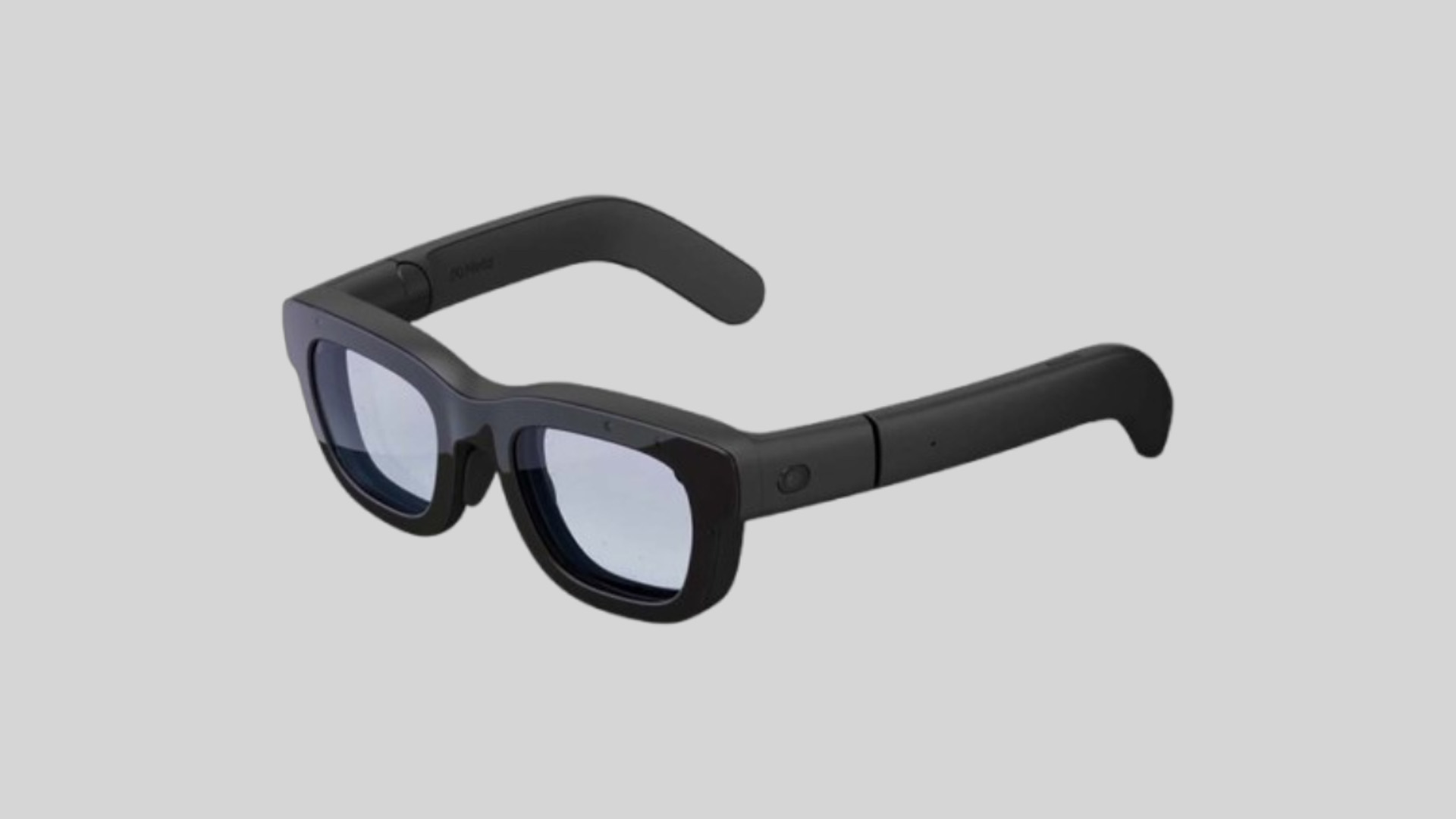
In the ever-evolving saga of Meta’s pursuit of the metaverse, a striking narrative twist has emerged. After years of evangelizing virtual realms through Horizon Worlds, the company has chosen a different front for its next chapter: smart glasses. With losses surpassing $68.6 billion, skeptics might expect retrenchment. Instead, Meta is doubling down with devices like its upcoming “Hypernova” glasses—lightweight eyewear designed to blend augmented intelligence seamlessly into daily life. This is more than a product launch; it’s a pivot that reveals Meta’s broader strategy to dominate the next computing interface. The question isn’t merely why they’re moving away from virtual kingdoms, but why they believe glass on your face is the key to the digital future.
The Collapse of Virtual Utopias
Horizon Worlds and the Mirage of the Metaverse
When Horizon Worlds debuted, it was pitched as the connective tissue for humanity’s digital future. Picture sprawling landscapes of creativity where your avatar could mingle, build, and transact in a universe liberated from physical constraints. Yet beneath the hype lurked friction: clunky graphics, cumbersome controls, and a lack of compelling reasons to stay. It was a city with wide avenues but few citizens. The dissonance between Meta’s grandiose vision and the pedestrian reality reminded many of Second Life’s rise and fall. Enthusiasm flickered, but it never caught fire.
Think of Horizon Worlds as a theme park with endless rides, but no visitors willing to queue. The problem wasn’t just polish—it was relevance. Few wanted to strap a heavy headset just to socialize in cartoonish plazas. Unlike social media platforms that thrive on low friction, Horizon demanded users abandon their existing habits. For Meta, the platform became less a future of work and play, and more a ghost town echoing with unmet expectations. It’s here the seeds of strategic redirection were sown.
The Problem of Scale and Adoption
Scaling Horizon Worlds was like trying to inflate a hot air balloon with a hand pump. Early adopters were present, but mainstream audiences balked. The technical requirements—owning a VR headset, enduring limited battery life, and dealing with motion sickness—formed barriers too high for casual users. In contrast, smartphones had succeeded not because they demanded a new behavior, but because they collapsed dozens of existing behaviors into one palm-sized device. Horizon offered novelty, but not necessity. For Meta, necessity is the gold standard of adoption.
The inability to cross the chasm into mass usage underscored a hard truth: Meta couldn’t manufacture cultural gravity through sheer investment. Billions poured into VR research couldn’t will society into abandoning lightweight interactions like texting and scrolling. If Horizon Worlds was a moonshot, then smart glasses promised a jetpack: a lighter, more incremental step toward the same orbit. They could slip into daily routines, piggybacking on behaviors we already hold dear—glancing, reading, capturing, and connecting—without demanding a radical lifestyle overhaul.
Cultural Resistance to Virtual Overlays
The allure of Horizon Worlds clashed with cultural instincts. Humans crave embodiment, but VR still feels isolating, a digital helmet cutting off peripheral reality. Anecdotally, many early users reported embarrassment at being seen wearing a bulky headset in a living room, let alone in public. In essence, Horizon asked people to escape reality wholesale. That’s a heavy psychological toll, especially when “escape” is already achievable via less conspicuous rectangles in pockets. As such, VR was often perceived as overengineered escapism, not a daily necessity.
By contrast, eyewear fits into a cultural archetype: from reading glasses to sunglasses, humanity has centuries of experience with face-mounted accessories. Glasses do not alienate; they augment. This subtle distinction is profound. Whereas Horizon Worlds felt like a rejection of the here-and-now, smart glasses promise a subtle enhancement of it. That reframing could be the social lubrication Meta has been searching for. In this respect, Meta’s shift is less a retreat from VR than a translation of ambition into a more culturally palatable medium.

The Rise of Eyewear as the Next Computing Interface
Why “Hypernova” Isn’t Just Another Gadget
Meta’s rumored “Hypernova” glasses are positioned not as gimmicky wearables but as proto-terminals for the next age of computing. Consider how the iPhone began as “an iPod with a phone” before morphing into the remote control of modern life. Hypernova aims for similar evolution. Initially, they may offer simple overlays—notifications, navigation cues, voice assistance—but those functions are scaffolding. The real ambition is an always-available interface that replaces the smartphone’s dominance. A heads-up layer seamlessly stitched into the rhythms of perception.
The key isn’t spectacle; it’s subtlety. Unlike VR headsets demanding immersion, smart glasses whisper into awareness without drowning it. They embody the promise of “ambient computing,” where information drips into consciousness as needed rather than bombarding it. Imagine walking into a bookstore and instantly seeing reviews hover beside titles, or glancing at a street sign and getting instant translation. Hypernova could transform reality into a perpetual canvas for data, fusing utility with discretion in a way Horizon Worlds never managed.
The Lessons of Past Wearables
Meta’s pivot is informed by the wreckage of earlier attempts. Google Glass stumbled because it felt intrusive, earning the pejorative “Glasshole” moniker. Snap Spectacles flirted with novelty but never broke free of their toy-like perception. Apple’s Vision Pro leans heavily into premium VR, but its tethered price tag alienates mass markets. Hypernova, then, is Meta’s gambit to synthesize lessons: avoid creepiness, emphasize utility, and strike a balance between fashion and function. In short, make glasses people want to wear, not just gadgets they tolerate.
What distinguishes Meta is its willingness to iterate at scale, even at astronomical losses. With billions in R&D, partnerships with eyewear makers like Ray-Ban, and control over social networks that funnel adoption, Meta wields a rare ecosystem advantage. They can normalize smart glasses not as exotic artifacts, but as extensions of existing digital identity. If Horizon Worlds was about convincing people to enter a new world, Hypernova is about slipping that world, gently, onto the bridge of their nose.
Smart Glasses as Trojan Horses
In mythology, the Trojan Horse was a vessel of concealed transformation. Smart glasses are Meta’s modern equivalent. At first, they may appear mundane—photo capture, lightweight notifications, maybe music playback. Yet beneath the surface, they are the embryonic platform for AR dominance. By embedding modest tools into an accessory with cultural acceptance, Meta can sneak next-generation computing into everyday life. Once adoption is entrenched, incremental updates—gesture control, full AR overlays, brain-computer interfaces—can arrive stealthily without jarring behavioral disruption.
Picture a teenager in 2026 receiving their first Hypernova glasses. Initially, they use them like earbuds for social media cues. A few firmware updates later, the same glasses enable instant object recognition or augmented learning aids. Over time, the Trojan Horse unfurls: an ecosystem shift not from hype but from habit. Meta’s play is long-term colonization of perception, using glasses as the gateway drug to AR fluency. It’s less revolution than osmosis, seeping into culture until resistance becomes moot.
Economic Implications of the Pivot
From Losses to Leverage
Meta’s $68.6 billion in losses read like a corporate obituary, yet in context, they resemble tuition fees. That investment bought Meta unrivaled intellectual property, hardware expertise, and first-mover knowledge. While Horizon Worlds struggled, the R&D pipelines it spawned are transferable. Rendering engines, optics breakthroughs, and haptic research built for VR can be repurposed into AR glasses. Thus, the pivot isn’t wasteful but opportunistic: a redirection of sunk costs into more promising terrain. Think of it as a mining expedition that struck no gold but discovered lithium veins instead.
Financially, smart glasses offer a clearer runway to monetization. Ads can migrate from screens into line-of-sight overlays. Commerce can piggyback on contextual awareness: imagine seeing product reviews or instant purchase links float above real-world items. Meanwhile, Meta’s social graph ensures personalization isn’t just possible—it’s inevitable. The company’s bet is that once Hypernova scales, the returns will dwarf losses. For investors, this isn’t lunacy but a calculated gamble: endure short-term bleeding for long-term platform dominance.
The Network Effect Advantage
Meta’s trump card is its vast network. Platforms like Facebook, Instagram, and WhatsApp are not mere apps; they are digital gravity wells where billions already orbit. By integrating smart glasses into this constellation, Meta guarantees a built-in user base. Imagine Instagram stories recorded hands-free through Hypernova, or WhatsApp video calls seamlessly overlaid in front of you. Unlike startups chasing adoption, Meta can leverage existing cultural rituals to accelerate normalization. This is infrastructure few rivals can match.
More importantly, the network effect is self-reinforcing. Once early adopters showcase the convenience of hands-free content creation or real-time translation, peer groups feel compelled to join. Social contagion is Meta’s bread and butter, and glasses provide a fresh canvas for virality. Horizon Worlds lacked this viral hook—it demanded entry into a walled garden. Smart glasses, however, expand the garden into reality itself. Adoption spreads not by convincing people to log in, but by simply letting them look around.
Geopolitics of the Interface Race
The pivot also holds geopolitical weight. As the U.S. and China vie for technological supremacy, control over the next interface is strategic. Smartphones cemented Apple and Android as gatekeepers of global communication. AR glasses could define the next two decades of digital sovereignty. If Meta succeeds, it positions itself not just as a social media giant, but as the architect of perceptual computing. That reshapes its bargaining power with regulators, partners, and even governments. The stakes transcend quarterly reports—they are existential.
For consumers, this could mean future battles over privacy, data rights, and surveillance woven directly into vision. A world where every glance is monetized also raises profound ethical questions. Meta’s bet is that the utility will outweigh discomfort, just as people once traded privacy for the convenience of free email and search engines. In the geopolitics of perception, whoever controls the glass may well control the gaze of billions. It’s not just hardware; it’s hegemony.

What This Means for the Future of AR and VR
The Gradual Eclipse of VR
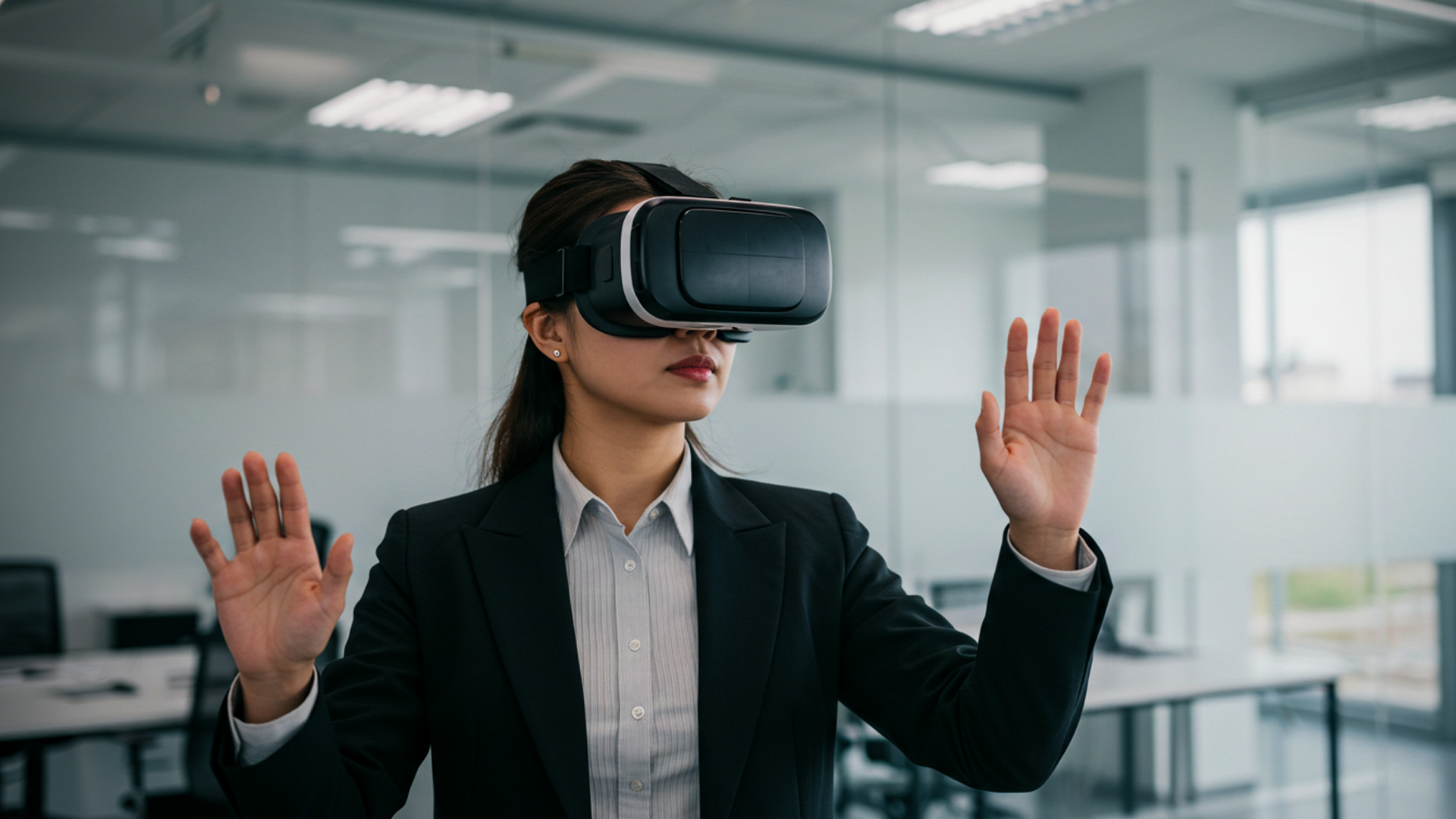
VR will not vanish, but it will likely be eclipsed in cultural primacy by AR. Virtual reality thrives in niches—gaming, training simulations, therapy—but struggles as a mass interface. By contrast, AR is symbiotic with reality rather than adversarial. It augments rather than replaces, enhancing context without demanding escape. Smart glasses embody this ethos perfectly. They mark a philosophical shift: computing as a whisper in the ear, not a wall around the eyes. For Meta, this is a pragmatic embrace of augmentation over isolation.
Yet VR’s fate isn’t sealed as obsolete. In professional domains—medicine, architecture, industrial prototyping—its immersive fidelity is unmatched. Think of VR as a specialist surgeon, while AR is the general practitioner. Horizon Worlds failed because it tried to make VR a universal doctor. Meta’s pivot acknowledges that universal dominance will come not from escapism, but from integration into mundane existence. Thus, VR remains a vital organ in the ecosystem, but AR is poised to become the beating heart.
The Blurring of Real and Digital
In the near future, the line between physical and digital will blur like ink dropped into water. AR glasses will layer metadata onto reality, making the world searchable, clickable, and annotatable. The implications are staggering. Museums may transform into living Wikipedia pages, classrooms into holographic laboratories, cities into interactive dashboards. The narrative of human experience could shift from one of passive observation to one of perpetual annotation. Meta’s role in this transition will be scrutinized as both pioneer and potential monopolist.
But this shift also demands new literacy. Just as smartphones rewired attention spans, smart glasses will rewire perception itself. The challenge is not just technological but cultural: teaching societies to navigate realities that are both seen and unseen. Misuse, overload, and disorientation are risks. Still, history suggests that once utility becomes irresistible, culture adapts. In a decade, the idea of glancing at a phone may feel as archaic as winding a rotary dial. The gaze will be the gesture of the age.
The Unwritten Chapter of Human-Computer Symbiosis
The ultimate horizon of Meta’s gamble isn’t eyewear but symbiosis. Glasses are the bridge, but the destination is deeper: seamless fusion between human cognition and computational power. Brain-computer interfaces, gesture-based interactions, and predictive AI will converge. Smart glasses are simply the on-ramp to this freeway. In that sense, Meta’s losses are less financial wounds and more evolutionary molting, shedding obsolete skins to grow a more adaptive one. The future they chase is nothing less than perceptual augmentation of humanity.
Whether that excites or terrifies depends on one’s lens. For some, it’s a digital Eden of empowerment; for others, a surveillance panopticon in disguise. Yet history leans toward inevitability: once a tool offers enough utility, adoption becomes destiny. Meta’s bet on Hypernova is not just about glasses—it’s about anchoring itself as the oracle through which the next generation perceives reality. If successful, the company won’t just have shifted strategy; it will have shifted civilization’s gaze.
What This Means For The Future Of Ar And Vr
Author: Elisha Roodt
Delivering expert insights into virtual reality, 360° production, and the immersive technological evolution across South Africa.