
Exploring VR's Impact on Modern Art and Creativity
The Evolution of Modern Art in the Digital Age The intersection of art and technology has always been a fertile ground for innovation. As the...
The Evolution of Modern Art in the Digital Age
The intersection of art and technology has always been a fertile ground for innovation. As the world has transitioned from analog to digital, so too has the realm of art. The evolution of modern art in the digital age is a testament to the endless possibilities that technology offers to creative minds.
From Traditional to Digital: The Shift in Art Paradigms
Art, in its most traditional form, has long been associated with tangible mediums—canvas, marble, wood, and more. These classical materials have shaped human creativity for centuries, anchoring the artist's vision to the physical world. However, as society entered the digital age, a paradigm shift began to emerge. Artists started to explore the potential of digital tools, giving birth to new forms of expression that transcend the limitations of the physical world.
This transition from traditional to digital art represents more than just a change in medium. It signifies a broader cultural shift, where the boundaries of creativity are redefined by technology. Digital art allows for a level of precision, experimentation, and reproducibility that was previously unimaginable. Artists are no longer confined to the physical properties of their materials; instead, they can manipulate pixels, sounds, and virtual spaces to create entirely new experiences. This shift has democratized the art world, making it more accessible to a global audience and encouraging a more diverse range of voices to contribute to the evolving narrative of modern art.
The Rise of Interactive Art Forms
As digital art gained momentum, the concept of interaction became increasingly prominent. Interactive art forms invite the viewer to become an active participant in the artistic experience, rather than a passive observer. This participatory nature of interactive art challenges traditional notions of authorship and ownership, blurring the lines between creator and audience.
Interactive art often relies on digital technology, such as sensors, algorithms, and virtual reality (VR), to engage the viewer in a dynamic dialogue with the artwork. These pieces can change in response to the viewer's actions, creating a unique experience for each individual. The rise of interactive art has expanded the possibilities for storytelling and expression, allowing artists to explore themes of agency, identity, and the human-machine relationship in profound and innovative ways.
How Technology Paved the Way for VR in Art
The integration of technology into art has laid the groundwork for the emergence of VR as a creative medium. As digital tools became more sophisticated, artists began to experiment with virtual environments, exploring the potential of immersive experiences. VR offers a level of immersion that is unparalleled in the history of art, allowing artists to construct entire worlds that viewers can explore and interact with in real-time.
The development of VR technology has been driven by advancements in computing power, graphics processing, and motion tracking. These innovations have enabled artists to create highly detailed, responsive environments that can evoke powerful emotional responses. VR has the potential to transform the way we experience art, making it a multisensory, interactive journey rather than a static, visual experience. As VR continues to evolve, it will undoubtedly play an increasingly significant role in shaping the future of modern art.
Understanding Virtual Reality as a Creative Medium
Virtual reality is not just a technological innovation; it is a new frontier for artistic expression. Understanding VR as a creative medium requires us to look beyond its technical aspects and explore the unique opportunities it offers for storytelling, immersion, and interaction.
Defining VR: Beyond the Basics
At its core, VR is a simulated environment that can be similar to or completely different from the real world. It is typically experienced through a headset that provides a stereoscopic display, creating the illusion of depth and presence. However, VR goes beyond simple visual simulation; it encompasses auditory, haptic, and even olfactory stimuli to create a fully immersive experience.
In the context of art, VR serves as a tool for artists to build worlds, tell stories, and evoke emotions in ways that are not possible with traditional media. It allows artists to control every aspect of the viewer's experience, from the visuals to the sounds and even the spatial dynamics. This level of control enables artists to craft experiences that are deeply personal and profoundly affecting, pushing the boundaries of what art can be.
VR as a New Canvas for Artists
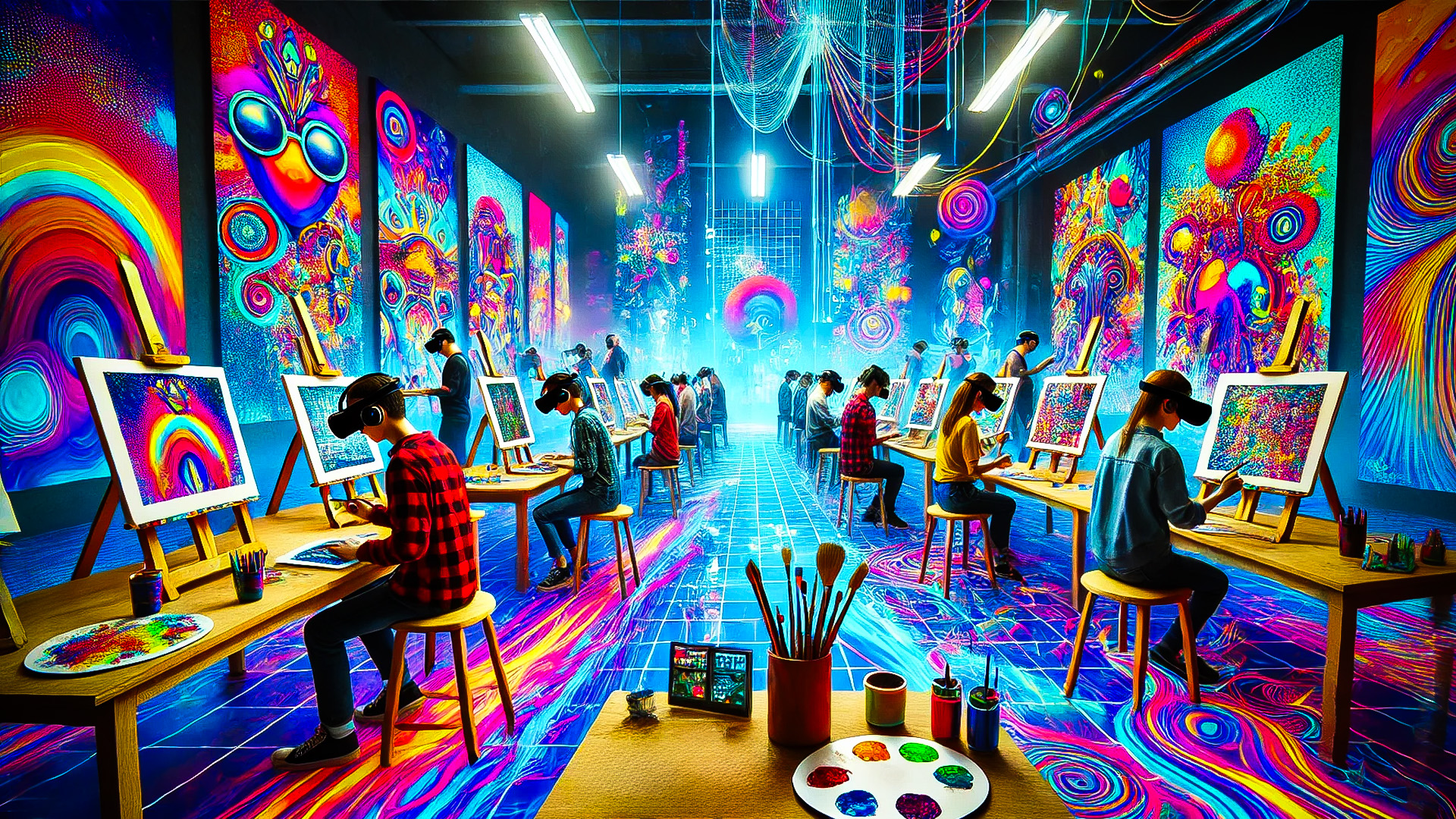
For artists, VR represents a new canvas—one that is not confined by the physical limitations of traditional media. In VR, the canvas is infinite, and the artist is free to create without the constraints of space, gravity, or material properties. This freedom allows for unprecedented levels of creativity and experimentation.
Artists can use VR to explore abstract concepts, create surreal landscapes, and manipulate time and space in ways that were previously impossible. The immersive nature of VR also allows artists to engage viewers on a deeper level, creating experiences that are not just seen but felt. This new canvas challenges artists to think beyond the visual and consider how their work can engage all the senses to create a holistic experience.
The Tools and Technologies Behind VR Art
Creating art in VR requires a unique set of tools and technologies. These include powerful computers, sophisticated software, and specialized hardware such as VR headsets and motion controllers. Artists must also be familiar with 3D modeling, animation, and programming to fully harness the potential of VR.
Software such as Tilt Brush, Unity, and Unreal Engine has become essential tools for VR artists, allowing them to create complex, interactive environments with relative ease. These tools enable artists to design every aspect of their virtual worlds, from the textures of surfaces to the physics of objects. As VR technology continues to advance, the tools available to artists will become even more powerful, enabling them to create increasingly complex and immersive experiences.
The Role of VR in Expanding Artistic Boundaries
Virtual reality is not just a new medium for creating art; it is a catalyst for expanding the very boundaries of what art can be. VR challenges traditional notions of space, form, and perception, allowing artists to explore new dimensions of creativity.
Immersive Experiences: Art Beyond the Frame
One of the most significant ways VR expands artistic boundaries is through the creation of immersive experiences. In traditional art, the viewer is often a passive observer, separated from the artwork by a frame or a screen. In VR, however, the viewer is placed inside the artwork, surrounded by the artist's creation on all sides.
This immersion allows for a level of engagement that is impossible with traditional media. Viewers can move through the artwork, interact with its elements, and experience it from multiple perspectives. This new mode of interaction transforms the viewer from a passive observer into an active participant, creating a more personal and meaningful connection with the art.
Breaking Physical and Conceptual Limits
VR also breaks the physical and conceptual limits that have traditionally constrained artists. In a virtual environment, there are no limits to size, scale, or space. Artists can create vast landscapes, intricate architectures, and impossible structures that defy the laws of physics. They can also manipulate time, allowing viewers to experience a single moment from multiple angles or witness the passage of time in a way that is impossible in the real world.
Conceptually, VR allows artists to explore abstract ideas and complex themes in new ways. The immersive nature of VR makes it an ideal medium for exploring concepts such as identity, consciousness, and the nature of reality. Artists can use VR to create experiences that challenge the viewer's perceptions and provoke deep reflection.
VR Art as a Multi-Sensory Experience
One of the most exciting aspects of VR art is its potential to be a multi-sensory experience. Unlike traditional art forms, which primarily engage the sense of sight, VR can engage all the senses. Artists can use sound, touch, and even smell to create a fully immersive experience that engages the viewer on multiple levels.
This multi-sensory approach allows artists to create experiences that are more immersive and emotionally resonant. By engaging multiple senses, artists can create a deeper connection between the viewer and the artwork, making the experience more memorable and impactful.
Impact of VR on Artistic Collaboration and Community
The advent of VR has not only transformed the way art is created and experienced, but it has also had a profound impact on artistic collaboration and community. VR has opened up new possibilities for artists to work together and share their creations with a global audience.
Global Collaboration: Artists in the Virtual Space
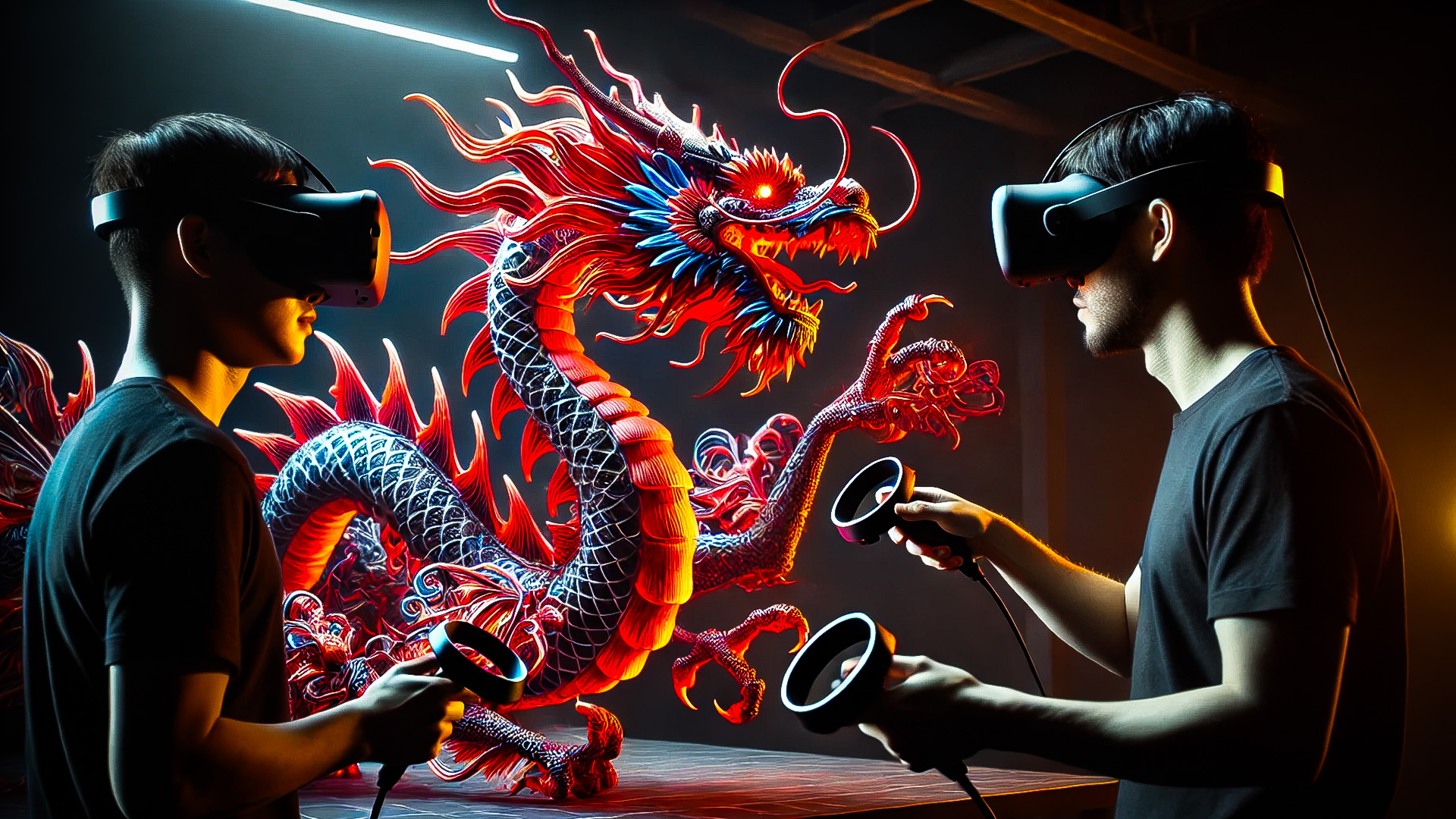
VR has made it possible for artists to collaborate in ways that were previously unimaginable. In a virtual environment, artists from different parts of the world can come together to create and share their work in real-time. This global collaboration has led to the creation of new forms of art that blend different cultural perspectives and artistic traditions.
Artists can also use VR to collaborate with other creatives, such as musicians, writers, and filmmakers, to create multidisciplinary works that combine different forms of expression. This cross-disciplinary collaboration has led to the creation of new art forms that are greater than the sum of their parts.
VR Galleries and Exhibitions: A New Way to Showcase Art
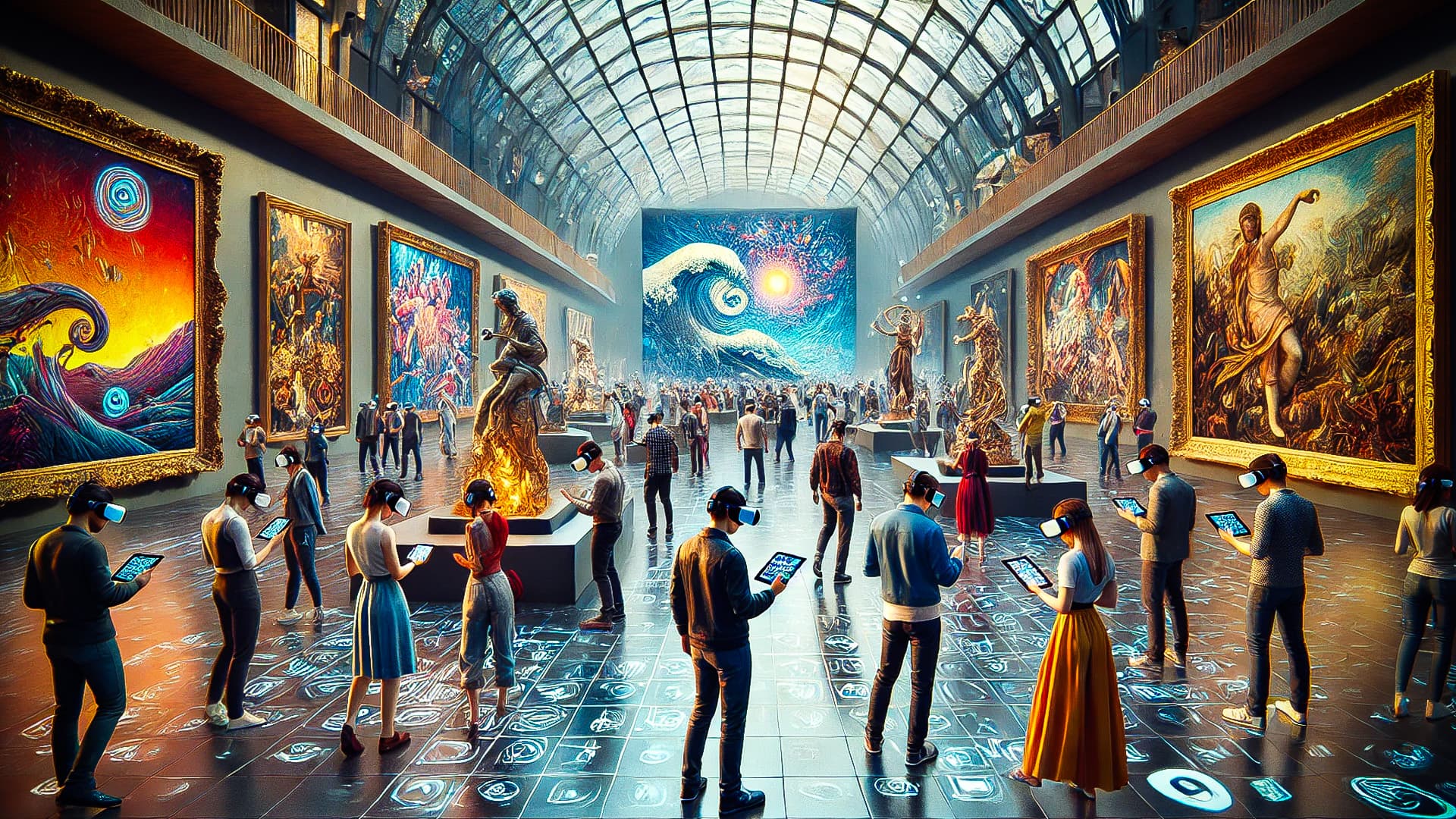
VR has also transformed the way art is showcased. Traditional galleries and exhibitions are limited by physical space and geography, making it difficult for artists to reach a global audience. VR, however, allows artists to create virtual galleries and exhibitions that can be accessed by anyone, anywhere in the world.
These virtual galleries offer a new way for artists to showcase their work and reach a broader audience. They also allow for a more interactive and immersive experience, as viewers can explore the artwork at their own pace and from different angles. This new mode of exhibition challenges traditional notions of what an art gallery can be and opens up new possibilities for artists and curators.
Building Virtual Art Communities: Connectivity in Creativity
VR has also played a role in building virtual art communities. These communities allow artists to connect with each other, share their work, and collaborate on projects. They also provide a platform for artists to receive feedback and support from their peers, fostering a sense of community and belonging.
These virtual communities have become an important part of the art world, providing a space for artists to connect and collaborate regardless of geographic location. They have also played a role in democratizing the art world, making it more accessible to
artists from different backgrounds and levels of experience.
VR as a Tool for Artistic Expression and Innovation
Virtual reality is not just a new medium for creating art; it is a powerful tool for artistic expression and innovation. VR has opened up new avenues for creative experimentation and has enabled artists to push the boundaries of what is possible in art.
New Avenues for Creative Experimentation
VR has provided artists with new tools and techniques for creative experimentation. Artists can use VR to explore new forms of expression, such as interactive storytelling, immersive environments, and multisensory experiences. These new forms of expression allow artists to push the boundaries of what is possible in art and explore new ways of engaging with their audience.
VR also allows artists to experiment with different styles and techniques. Artists can use VR to create abstract, surreal, or photorealistic works that would be difficult or impossible to achieve with traditional media. This freedom to experiment has led to the creation of new art forms that are unique to VR and that push the boundaries of what art can be.
Case Studies: Artists Pioneering VR Creativity
There are many artists who are pioneering the use of VR as a creative medium. These artists are using VR to create innovative works that challenge traditional notions of art and push the boundaries of what is possible in VR.
One example is the artist and filmmaker Chris Milk, who has used VR to create immersive experiences that explore themes of empathy, connection, and the human condition. Milk's work has been widely acclaimed for its ability to evoke powerful emotional responses and for its innovative use of VR as a storytelling medium.
Another example is the artist and designer Rachel Rossin, who has used VR to create surreal, dreamlike environments that explore the relationship between the physical and virtual worlds. Rossin's work has been praised for its unique blend of traditional and digital art forms and for its ability to create immersive, multisensory experiences.
The Future of VR-Driven Artistic Innovation
The future of VR-driven artistic innovation is bright. As VR technology continues to advance, artists will have access to even more powerful tools and techniques for creating immersive, interactive, and multisensory experiences. These advancements will open up new possibilities for artistic expression and will enable artists to push the boundaries of what is possible in art.
In the coming years, we can expect to see more artists experimenting with VR and using it to create innovative works that challenge traditional notions of art. We can also expect to see more cross-disciplinary collaboration, as artists, designers, musicians, and filmmakers come together to create new forms of expression that blend different art forms.

Challenges and Controversies in VR Art
While VR offers many exciting possibilities for artistic expression, it also presents a number of challenges and controversies. These challenges must be addressed in order for VR to reach its full potential as a creative medium.
Technical and Accessibility Issues in VR Art
One of the main challenges facing VR art is the technical and accessibility issues associated with VR technology. VR requires powerful hardware and software, which can be expensive and difficult to access for many artists. This has led to concerns about the democratization of VR art and the potential for VR to become an exclusive medium.
In addition to the cost and accessibility issues, there are also technical challenges associated with VR art. Creating VR art requires a high level of technical expertise, including knowledge of 3D modeling, animation, and programming. This learning curve can be a barrier for many artists, particularly those who are used to working with traditional media.
Debates on Authenticity and the Artist’s Touch
Another controversy in the world of VR art revolves around questions of authenticity and the artist's touch. In traditional art, the physical interaction between the artist and the medium is seen as a key component of the creative process. The artist's touch is what gives the artwork its unique character and emotional depth.
In VR, however, this physical interaction is replaced by digital tools and algorithms. Some critics argue that this removes an essential element of the creative process and diminishes the authenticity of the artwork. Others, however, see VR as a new way of expressing the artist's vision, one that is just as valid and authentic as traditional methods.
Addressing the Learning Curve for Traditional Artists
For traditional artists, the transition to VR can be daunting. The skills and techniques required to create VR art are vastly different from those used in traditional media. This steep learning curve can be a barrier for many artists, particularly those who are not familiar with digital technology.
However, there are ways to address this learning curve and help traditional artists transition to VR. Many artists have found success by collaborating with digital artists and technologists who can help them navigate the complexities of VR. There are also a growing number of resources and workshops available to help traditional artists learn the skills they need to create VR art.
The Future of VR in Modern Art and Creativity
As VR technology continues to advance, it will play an increasingly important role in the world of modern art and creativity. The future of VR in art is full of possibilities, and it will be exciting to see how artists continue to push the boundaries of what is possible in this new medium.
Predictions for the Next Decade in VR Art
In the next decade, we can expect to see continued growth and innovation in the field of VR art. As VR technology becomes more advanced and accessible, more artists will begin to experiment with VR and use it to create new forms of expression.
We can also expect to see more cross-disciplinary collaboration, as artists, designers, musicians, and filmmakers come together to create immersive, interactive experiences that blend different art forms. This collaboration will lead to the creation of new art forms that are unique to VR and that push the boundaries of what is possible in art.
How VR Might Redefine the Artist's Role
As VR becomes more prevalent in the art world, it may also redefine the role of the artist. In traditional art, the artist is often seen as a solitary figure, working alone to create a unique vision. In VR, however, the creation of art is often a collaborative process, involving multiple artists, designers, and technologists.
This shift towards collaboration may change the way we think about the role of the artist and the nature of creativity. The artist may become more of a curator or director, guiding a team of collaborators to create a shared vision. This new role could open up new possibilities for artistic expression and lead to the creation of more complex and immersive works of art.
The Potential for VR to Become Mainstream in Art
As VR technology becomes more advanced and accessible, there is the potential for VR to become mainstream in the world of art. This would represent a significant shift in the way we think about and experience art.
If VR becomes mainstream, it could lead to the creation of new art forms that are unique to VR and that push the boundaries of what is possible in art. It could also lead to the democratization of art, making it more accessible to a global audience and encouraging more people to engage with art in new and exciting ways.
Recapping VR’s Impact on Art and Creativity
Virtual reality has had a profound impact on the world of art and creativity. It has opened up new possibilities for artistic expression, expanded the boundaries of what is possible in art, and provided artists with new tools and techniques for creating immersive, interactive experiences.
VR has also transformed the way we think about and experience art, challenging traditional notions of space, form, and perception. It has enabled artists to create experiences that are not just seen, but felt, and that engage the viewer on a deeper level.
The Ongoing Dialogue Between Art and Technology
The relationship between art and technology is an ongoing dialogue, one that has been shaping the world of art for centuries. As technology continues to evolve, so too will the ways in which artists use it to create and share their work.
This dialogue is not without its challenges and controversies, but it is also full of possibilities. As artists continue to experiment with VR and other digital technologies, they will push the boundaries of what is possible in art and continue to redefine the role of the artist in the digital age.
Final Thoughts on Embracing VR in Artistic Practice
As we move into the future, it is clear that VR will play an increasingly important role in the world of art and creativity. For artists, embracing VR as a creative medium offers a wealth of possibilities for experimentation, innovation, and expression.
While there are challenges and controversies associated with VR art, there are also exciting opportunities for artists to push the boundaries of what is possible and to create new forms of expression that engage the viewer on a deeper level. As VR technology continues to advance, it will be fascinating to see how artists continue to explore and expand the possibilities of this new medium, and how VR will continue to shape the future of modern art and creativity.

The Future Of Vr In Modern Art And Creativity
Author: Elisha Roodt
Delivering expert insights into virtual reality, 360° production, and the immersive technological evolution across South Africa.