
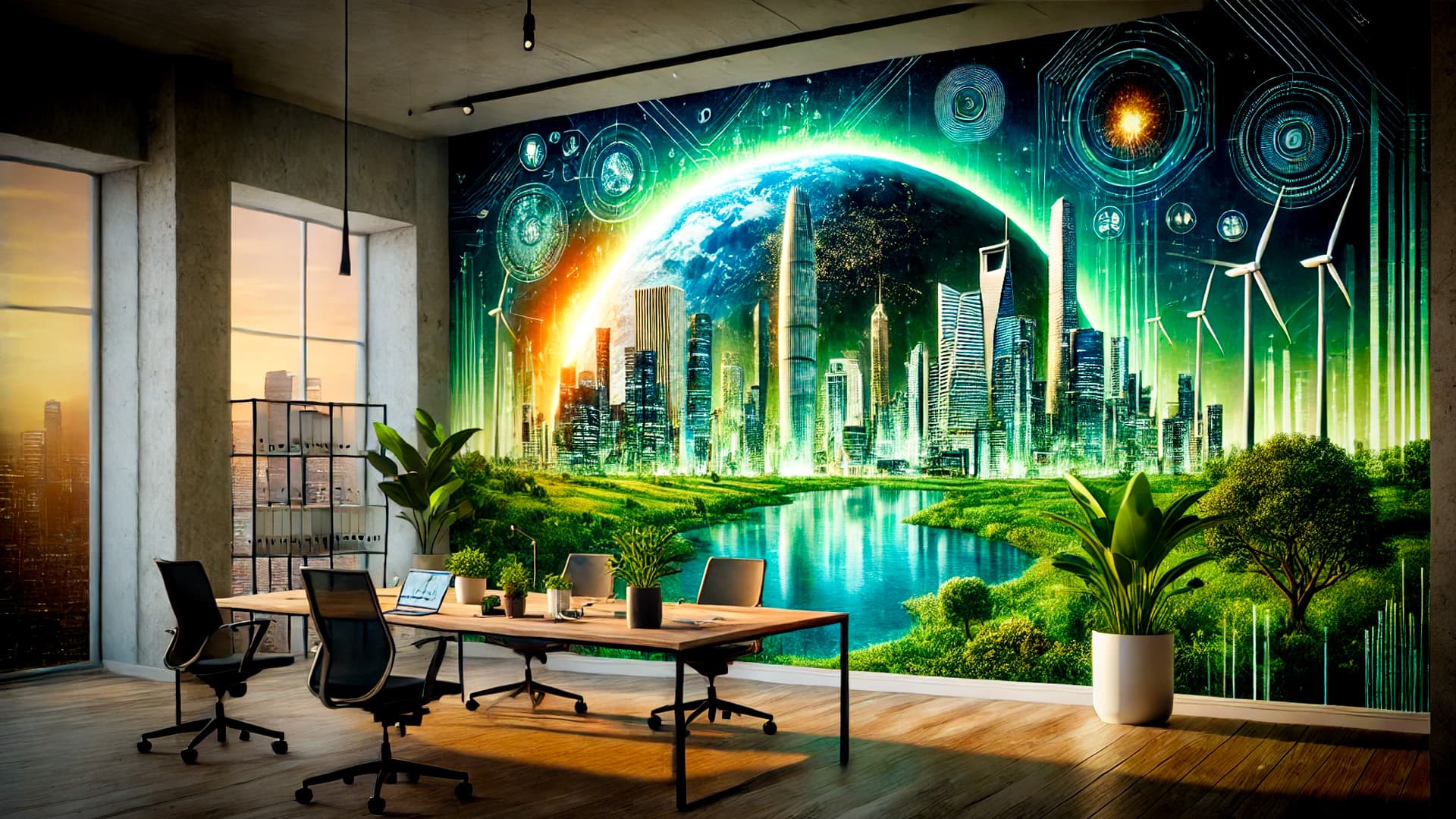
Green Revolution Metaverse's Path to a Sustainable Future
The Green Revolution, once synonymous with agricultural advances and increased crop yields, has transcended its origins and entered the digital...
The Green Revolution, once synonymous with agricultural advances and increased crop yields, has transcended its origins and entered the digital age. As we confront the challenges of climate change and environmental degradation, this revolution is now characterized by the integration of cutting-edge technologies that aim to create a sustainable future. Among these innovations, the Metaverse emerges as a transformative force, intertwining sustainability and technology in unprecedented ways. The confluence of these two realms offers a vision of the future where digital experiences not only coexist with but actively contribute to a greener planet.
Overview of the Green Revolution in the Digital Age
The Green Revolution has evolved beyond the physical fields and into the digital landscapes that define our era. This new phase is marked by a shift from traditional agricultural practices to the adoption of advanced technologies that promote sustainability on a global scale. From precision farming that reduces waste to renewable energy solutions that power entire cities, the Green Revolution in the digital age is about harnessing technology to address environmental challenges. The Metaverse, with its vast potential for creating immersive digital environments, is at the forefront of this evolution, offering new ways to engage with and protect our planet.
The Intersection of Sustainability and Technology
At the heart of this digital Green Revolution lies the intersection of sustainability and technology. These two forces, once seen as separate or even opposing, are now inextricably linked. Technological advancements are enabling more sustainable practices, while the drive for sustainability is pushing technology to new heights. This synergy is most evident in the Metaverse, where digital environments are designed not just for entertainment or social interaction but also for promoting environmental awareness and action. The Metaverse represents a new frontier where sustainability is not an afterthought but a core principle.
How the Metaverse is Shaping a Greener Future
The Metaverse is more than just a digital escape; it is a powerful tool for shaping a greener future. By creating virtual worlds that mimic real-life ecosystems, the Metaverse allows users to explore, understand, and interact with the environment in ways that were previously impossible. These experiences can inspire real-world action, encouraging individuals and organizations to adopt more sustainable practices. Furthermore, the Metaverse can serve as a platform for testing and implementing innovative solutions to environmental challenges, making it a crucial player in the quest for sustainability.
The Metaverse as a Catalyst for Environmental Change
Virtual Worlds Reducing Carbon Footprint
One of the most significant ways the Metaverse contributes to environmental change is by reducing the carbon footprint associated with physical activities. Virtual worlds eliminate the need for travel, which is a major source of greenhouse gas emissions. By hosting meetings, conferences, and social gatherings in the Metaverse, organizations and individuals can significantly reduce their environmental impact. Additionally, virtual worlds can replace resource-intensive activities, such as large-scale physical events, with digital counterparts that require far fewer resources to produce and maintain.
Digital Twins and Their Role in Environmental Planning
Digital twins, virtual replicas of physical objects or systems, play a critical role in environmental planning within the Metaverse. These digital models allow for the simulation of real-world scenarios, providing valuable insights into the potential environmental impact of various actions. Urban planners, for example, can use digital twins to model the effects of new infrastructure projects on local ecosystems, helping to minimize environmental harm. The ability to test and refine plans in a virtual environment before implementing them in the real world is a game-changer for sustainable development.
How the Metaverse Can Minimize Resource Consumption
The Metaverse also has the potential to minimize resource consumption by offering digital alternatives to physical products and experiences. Virtual goods, from clothing to art, require no raw materials or transportation, making them a more sustainable choice. Moreover, the digitalization of experiences, such as virtual tourism, can reduce the demand for resource-intensive activities like travel. By shifting consumption from the physical to the digital realm, the Metaverse can help decrease the strain on natural resources and contribute to a more sustainable future.

Sustainable Practices in the Metaverse
Eco-Friendly Virtual Experiences
As the Metaverse grows, so does the opportunity to create eco-friendly virtual experiences that raise awareness about sustainability. These experiences can range from virtual nature tours that highlight the importance of conservation to interactive games that teach players about environmental stewardship. By immersing users in these virtual environments, the Metaverse can foster a deeper connection to nature and inspire more sustainable behaviors in the real world.
Renewable Energy in Virtual Worlds
The operation of virtual worlds in the Metaverse requires energy, and the shift towards renewable energy sources is crucial for maintaining the sustainability of these digital spaces. By powering Metaverse platforms with renewable energy, developers can ensure that the environmental benefits of virtual worlds are not offset by their energy consumption. This transition to green energy is not only necessary but also presents an opportunity for the Metaverse to lead by example in the broader push towards renewable energy adoption.
Promoting Green Lifestyles Through Digital Avatars
Digital avatars in the Metaverse offer a unique way to promote green lifestyles. Users can customize their avatars to reflect eco-friendly values, such as wearing sustainable fashion or participating in virtual environmental initiatives. These choices, though digital, can influence real-world behavior by normalizing and popularizing sustainable practices. The Metaverse can serve as a platform for users to experiment with and adopt green lifestyles, ultimately driving change beyond the digital realm.
The Role of Blockchain and NFTs in the Green Revolution
Greener Blockchain Technologies in the Metaverse
Blockchain technology, which underpins many Metaverse applications, has faced criticism for its energy consumption. However, the development of greener blockchain technologies is paving the way for a more sustainable Metaverse. By adopting energy-efficient consensus mechanisms and reducing the carbon footprint of blockchain operations, the Metaverse can continue to leverage the benefits of blockchain while minimizing its environmental impact.
Eco-Conscious NFTs: Trends and Innovations
Non-fungible tokens (NFTs) have taken the digital world by storm, but their environmental impact has raised concerns. In response, a new wave of eco-conscious NFTs is emerging, prioritizing sustainability in their creation and distribution. These NFTs are minted on energy-efficient blockchains and often support environmental causes through donations or awareness campaigns. As the Metaverse continues to grow, eco-conscious NFTs can play a vital role in ensuring that digital art and collectibles contribute positively to the Green Revolution.
Carbon Offsetting Through Virtual Asset Creation
The creation of virtual assets, such as NFTs and digital goods, offers an opportunity to integrate carbon offsetting directly into the Metaverse. Developers and artists can choose to offset the carbon emissions associated with their digital creations by supporting reforestation projects or investing in renewable energy. This approach not only mitigates the environmental impact of virtual asset creation but also aligns the Metaverse with broader sustainability goals.

Virtual Reality as a Tool for Environmental Education
Immersive Experiences Teaching Sustainability
Virtual reality (VR) within the Metaverse offers unparalleled opportunities for environmental education. Immersive experiences can transport users to endangered ecosystems, allowing them to witness the effects of climate change or deforestation firsthand. These powerful experiences can be more impactful than traditional forms of education, as they engage users on an emotional level and inspire a greater commitment to sustainability.
VR Simulations for Environmental Crisis Management
In addition to education, VR simulations can be used for environmental crisis management. By simulating natural disasters or environmental crises in a controlled virtual environment, decision-makers can practice and refine their response strategies. This proactive approach to crisis management can help mitigate the impact of environmental disasters and improve preparedness, ultimately contributing to a more resilient and sustainable world.
The Power of Virtual Storytelling in Raising Awareness
Storytelling has always been a powerful tool for raising awareness, and virtual storytelling in the Metaverse takes this to a new level. By combining immersive environments with compelling narratives, the Metaverse can bring environmental issues to life in ways that resonate deeply with audiences. Whether it's a story about the journey of a sea turtle through polluted waters or a narrative exploring the consequences of deforestation, virtual storytelling has the potential to drive meaningful change by connecting people to the realities of our environmental challenges.
Collaboration and Innovation in the Metaverse
Cross-Industry Partnerships for Sustainability
The Metaverse is a fertile ground for cross-industry partnerships that drive sustainability. By bringing together stakeholders from various sectors—such as technology, environmental science, and entertainment—the Metaverse can foster collaborative efforts that address complex environmental challenges. These partnerships can lead to innovative solutions that benefit both the digital and physical worlds, accelerating the pace of the Green Revolution.
How Metaverse Platforms Foster Eco-Innovation
Metaverse platforms are becoming hubs of eco-innovation, where developers and creators experiment with new technologies and ideas that promote sustainability. From creating energy-efficient virtual worlds to developing tools for environmental monitoring, the Metaverse offers endless possibilities for eco-innovation. By supporting these efforts, Metaverse platforms can position themselves as leaders in the global push for sustainability.
The Role of Green Startups in the Metaverse Ecosystem
Green startups are playing an increasingly important role in the Metaverse ecosystem. These companies are developing solutions that reduce the environmental impact of digital technologies, from energy-efficient servers to sustainable virtual goods. By integrating these innovations into the Metaverse, green startups are helping to ensure that this new digital frontier is aligned with the goals of the Green Revolution. Their contributions are not only vital for the sustainability of the Metaverse but also for the broader effort to combat climate change.

Challenges and Ethical Considerations
The Environmental Impact of Virtual Infrastructure
While the Metaverse offers many opportunities for promoting sustainability, it also poses challenges, particularly in terms of the environmental impact of virtual infrastructure. The servers and data centers that power the Metaverse require significant energy, and their carbon footprint can be substantial if not managed properly. Addressing these challenges requires a concerted effort to implement energy-efficient technologies and adopt renewable energy sources, ensuring that the growth of the Metaverse does not come at the expense of the environment.
Balancing Technological Growth with Eco-Consciousness
As the Metaverse continues to expand, it is essential to balance technological growth with eco-consciousness. This
means prioritizing sustainability in the design and development of virtual worlds, as well as in the technologies that support them. By adopting a holistic approach that considers both the environmental and social impacts of the Metaverse, developers and users alike can contribute to a digital future that is both innovative and sustainable.
Ethical Concerns in the Creation of Sustainable Virtual Spaces
The creation of sustainable virtual spaces in the Metaverse raises several ethical concerns. For instance, how do we ensure that these spaces are accessible to all, regardless of socioeconomic status? What are the implications of creating digital environments that mimic real-world ecosystems, and how do we navigate the potential for unintended consequences? These questions highlight the need for ethical frameworks that guide the development of the Metaverse, ensuring that it remains a force for good in the Green Revolution.
Future Outlook: The Metaverse and Global Sustainability Goals
The Potential of the Metaverse in Achieving Net-Zero Emissions
The Metaverse holds significant potential in the global effort to achieve net-zero emissions. By replacing carbon-intensive activities with digital alternatives and supporting the development of renewable energy, the Metaverse can play a key role in reducing global emissions. Moreover, the Metaverse can serve as a platform for promoting and implementing sustainability initiatives, accelerating progress towards net-zero goals.
Long-Term Vision: The Green Revolution’s Digital Frontier
Looking ahead, the Metaverse represents the digital frontier of the Green Revolution. As technology continues to evolve, so too will the ways in which we leverage the Metaverse for sustainability. This long-term vision includes the development of increasingly sophisticated virtual environments that not only reduce our environmental impact but also enhance our understanding of the natural world. By pushing the boundaries of what is possible in the digital realm, the Metaverse can help us create a future that is both technologically advanced and ecologically sound.
What’s Next: Predicting the Metaverse’s Role in a Sustainable Future
As we predict the future of the Metaverse, its role in sustainability will undoubtedly become more pronounced. The ongoing integration of green technologies, coupled with the growing awareness of environmental issues, will drive the Metaverse towards even greater contributions to the Green Revolution. Whether through virtual education, eco-conscious digital assets, or innovative solutions to environmental challenges, the Metaverse is poised to be a central player in the quest for a sustainable future.
The Metaverse’s influence on the Green Revolution is profound, offering new ways to address environmental challenges and promote sustainability. As we continue to innovate and explore this digital frontier, it is crucial that we remain committed to the principles of sustainability and responsibility. The future of the Metaverse—and indeed, the future of our planet—depends on our ability to harness the power of technology in service of the greater good. By embracing the Metaverse as a tool for positive change, we can help pave the way for a sustainable and prosperous future for all.
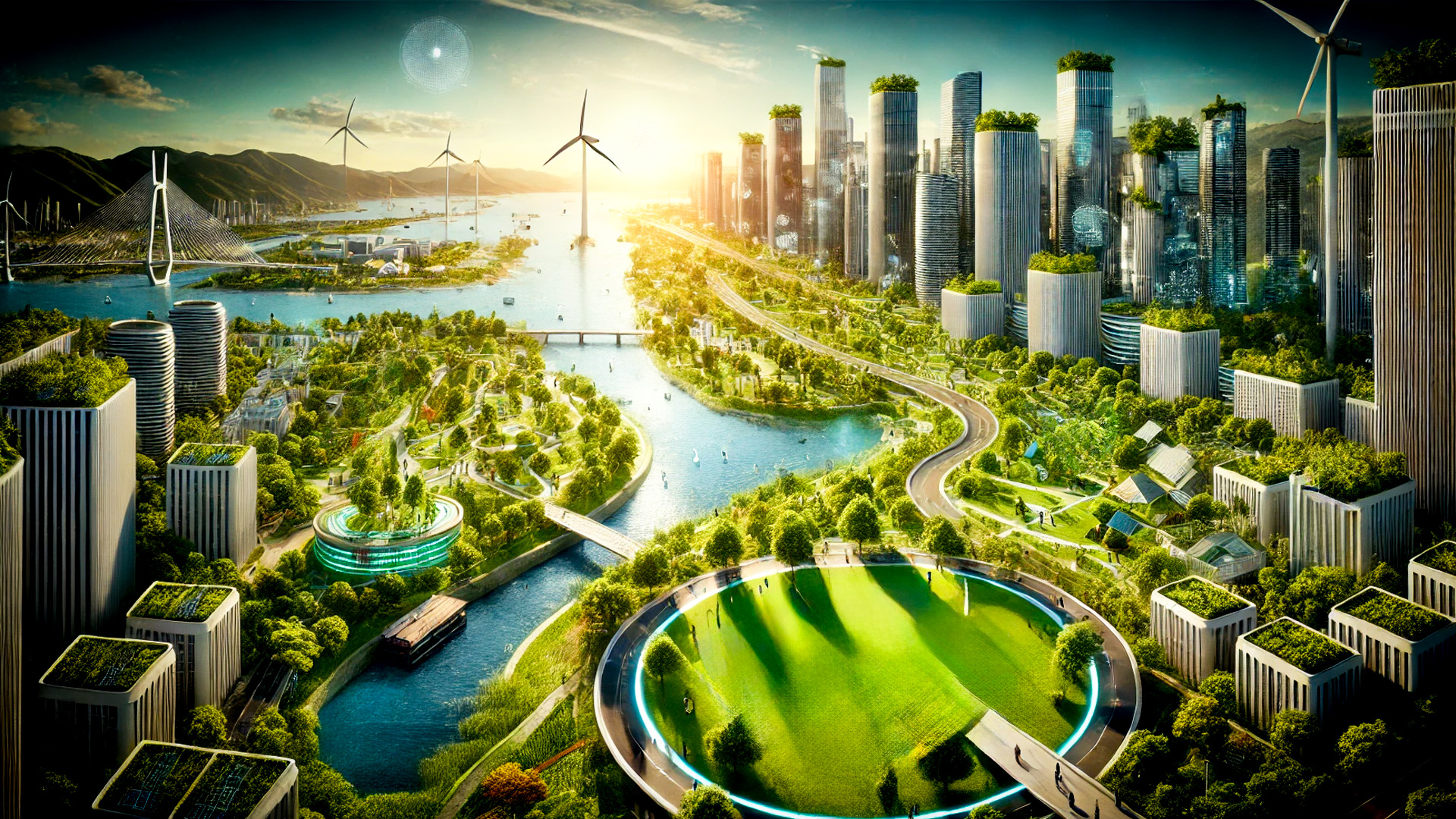
The Metaverse And Global Sustainability Goals
Author: Elisha Roodt
Delivering expert insights into virtual reality, 360° production, and the immersive technological evolution across South Africa.