
How Virtual Reality Enhances Exercise by Sensing Emotions
In recent years, the intersection of technology and fitness has expanded in ways that were once unimaginable. What began with simple heart rate...
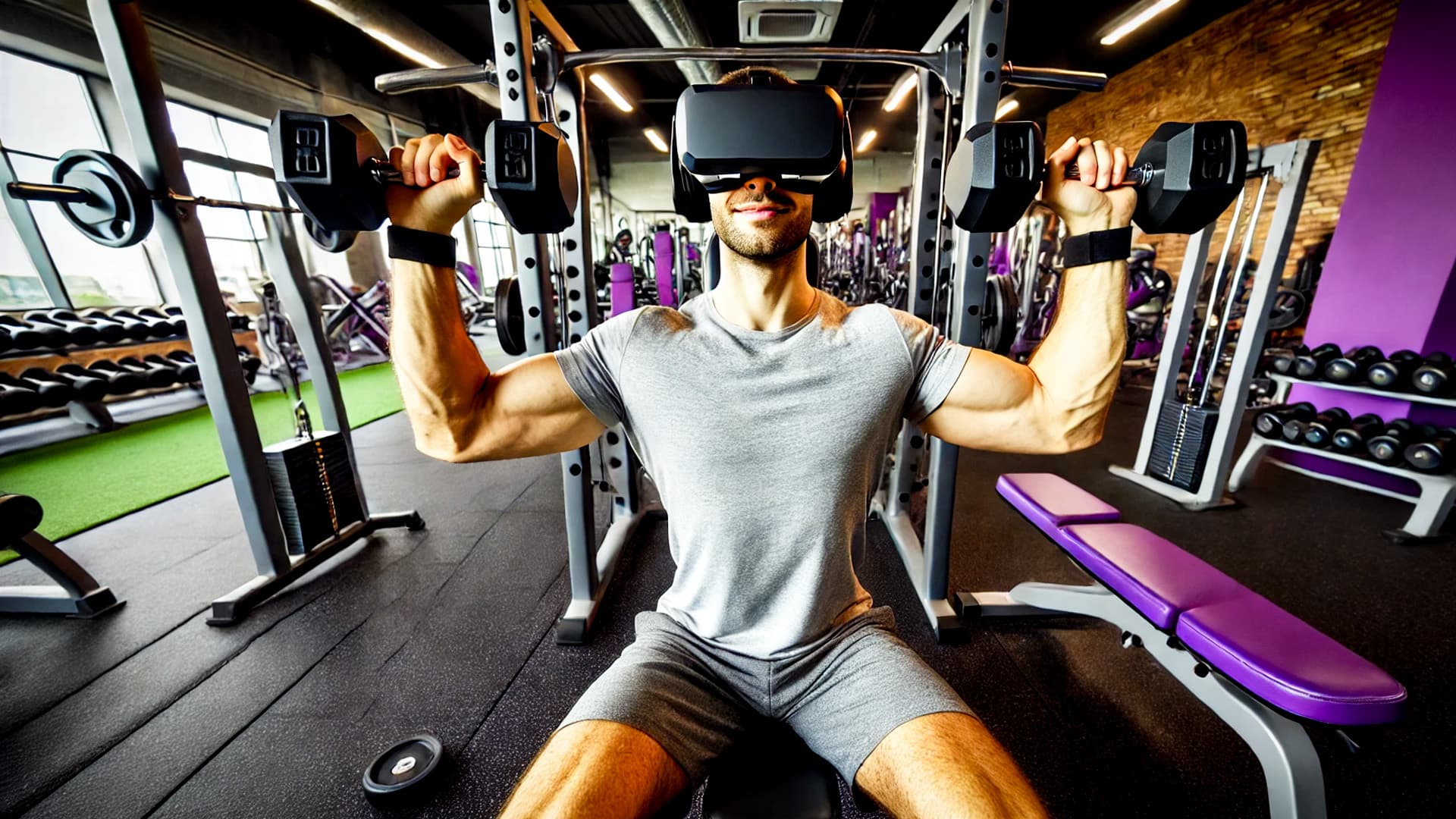
In recent years, the intersection of technology and fitness has expanded in ways that were once unimaginable. What began with simple heart rate monitors and step counters has evolved into a sophisticated ecosystem where data-driven fitness is king. Now, virtual reality (VR) has entered the scene, not just as a tool for entertainment but as a game-changing force in fitness. Through emotion-sensing technology, VR can gauge how we feel during exercise and tailor the experience accordingly, transforming the way we approach physical fitness.
The Evolution of Exercise Technology
From Fitness Trackers to Emotion-Sensing VR
The fitness world has long embraced technology to elevate workout experiences. Early innovations like pedometers and heart rate monitors gave users insight into basic physiological responses. As technology advanced, fitness trackers and smartwatches became ubiquitous, offering data on steps, calories burned, and even sleep quality. But now, the leap from merely tracking physical data to interpreting emotional responses marks a revolutionary shift. Virtual reality harnesses this next-level data to deliver a workout tailored not just to your physical state but to your emotional wellbeing, forging a more connected and fulfilling exercise experience.
Why Virtual Reality Is the Next Big Thing in Fitness
VR’s ability to fully immerse users in an alternate environment creates an unparalleled level of engagement. In fitness, this immersion is key. When combined with emotion-sensing technology, virtual reality becomes an entirely new fitness frontier. Not only does it break the monotony of traditional exercise by providing varied, interactive worlds, but it also taps into emotional triggers that can elevate or modify workouts in real-time. This adaptability makes VR the next big thing in fitness—one that goes beyond the physical to target the mental and emotional aspects of wellbeing.
How Virtual Reality Tracks Emotions During Exercise
The Science Behind Emotion-Sensing Technology
Emotion-sensing technology relies on advanced biometric sensors that monitor physiological indicators, such as heart rate variability, skin conductivity, and facial expressions. These indicators provide real-time insights into a user’s emotional state, signaling whether the individual feels motivated, fatigued, or stressed. In virtual reality workouts, this data is used to adjust the environment, intensity, and even the pace of the session. Whether it's ramping up the intensity when you're feeling confident or slowing down when signs of fatigue are detected, this technology ensures a dynamic and responsive fitness experience.
Understanding Biometric Feedback in VR Workouts
Biometric feedback is the linchpin of emotion-sensing VR. By continuously monitoring a user’s physical responses, such as heart rate, body temperature, and muscular tension, VR systems can assess emotional states like excitement, relaxation, or frustration. This feedback loop allows the virtual environment to adapt in real-time, creating a workout experience that feels more intuitive and responsive to your needs. For example, if the system detects stress, it may reduce the intensity of a workout or change the visual environment to something more calming.
How VR Adapts to Emotional Cues in Real-Time
The real-time adaptability of VR to emotional cues is where the technology truly shines. Imagine running through a serene forest in your VR workout, your heart rate slightly elevated but steady. If the system senses a spike in stress, it might alter the surroundings, replacing the dense forest with a calming beach scene or lowering the tempo of your background music. This seamless integration of emotional sensing into the workout flow ensures that every session feels uniquely personal, encouraging you to push harder when you’re feeling strong and providing comfort when you need to relax.

Boosting Motivation and Engagement Through Emotional Feedback
Personalized Workout Experiences Based on Your Emotions
Personalization is at the heart of VR's effectiveness in fitness. Emotion-sensing technology enables each workout to feel uniquely tailored to your current emotional state. Whether you're feeling energetic and ready for a high-intensity session or tired and in need of a gentle recovery workout, VR adjusts accordingly. This emotional customization leads to greater satisfaction and a higher likelihood of sticking to your fitness routine because it eliminates the "one-size-fits-all" approach of traditional exercise.
How Emotional Response Drives Better Fitness Results
Exercise is not just a physical endeavor; it’s deeply tied to emotional and psychological factors. Studies show that emotional state plays a significant role in performance, motivation, and recovery. By tapping into emotional responses, VR can enhance engagement, helping users push through tough moments or embrace periods of rest when necessary. This intuitive interaction leads to better fitness outcomes, as it allows individuals to exercise in harmony with both their body and their emotions.
The Role of Immersion in Enhancing Workout Enjoyment
Immersion is one of the most powerful tools in virtual reality. When a user is fully absorbed in a VR environment, distractions melt away, and the often tedious nature of exercise is replaced by adventure and fun. Emotion-sensing technology enhances this immersion by ensuring that the virtual world responds to the user’s emotional needs. This heightened level of engagement transforms mundane workouts into enjoyable experiences, making it easier to maintain a consistent fitness routine.
The Psychology of Emotions in Exercise
Why Emotional State Matters in Fitness Performance
Our emotional state can make or break a workout. Anxiety or frustration can sap motivation, while positive emotions like excitement and joy can energize us to perform at our best. Virtual reality’s ability to gauge these emotional states in real-time allows it to guide users through optimal workout experiences. By acknowledging the importance of mental and emotional states in physical performance, VR can help athletes of all levels maximize their potential.
How VR Helps Overcome Mental Barriers in Workouts
Many people face mental barriers during exercise—whether it's the fear of failure, boredom, or simply the feeling of being overwhelmed. Virtual reality, combined with emotion-sensing, helps users break through these barriers. By adjusting the workout to match your emotional needs, VR can offer a challenging yet supportive environment that encourages you to keep going, even when the going gets tough.
Leveraging Positive Emotions for Consistent Exercise
Consistency is the cornerstone of any successful fitness journey. VR helps by leveraging positive emotions to keep users coming back. Through carefully curated virtual experiences, users feel a sense of accomplishment, enjoyment, and even exhilaration during their workouts. These positive emotional associations with exercise make it easier to maintain a regular fitness schedule and build long-term habits.
Transforming Traditional Fitness with Virtual Reality
Comparing Conventional Exercise to VR-Based Workouts
Traditional exercise routines often lack variety, leading to boredom and eventual disengagement. In contrast, VR-based workouts offer an immersive, dynamic experience where every session feels new. Traditional workouts may focus solely on physical exertion, but VR adds layers of engagement by responding to emotional and mental cues. This multifaceted approach makes VR a far more effective and enjoyable fitness option for many individuals.
How VR Makes Fitness Fun and Gamified
Gamification is one of VR’s strongest advantages in the fitness space. By transforming workouts into engaging, game-like experiences, VR taps into our innate desire for achievement and progression. Whether it's reaching a new level in a virtual obstacle course or competing against friends in a virtual race, VR makes fitness feel like play rather than work.
Real-World Case Studies of VR in Fitness Settings
Across the globe, fitness facilities and individuals alike are adopting VR as part of their exercise routines. From high-end gyms incorporating VR classes to at-home users finding success with VR fitness platforms, the technology is proving its worth. Case studies reveal how VR workouts not only increase engagement but also improve overall fitness outcomes, with users reporting higher levels of motivation and satisfaction compared to traditional workouts.
The Future of Emotion-Sensing VR in Fitness
Upcoming Innovations in VR Fitness Technology
The future of VR in fitness looks promising, with innovations on the horizon that will further enhance its capabilities. Emotion-sensing technology is just the beginning. Soon, we may see VR fitness platforms that integrate more advanced AI, allowing for even more personalized and adaptive workout experiences. These advancements will not only improve how workouts are delivered but will also elevate the results users can achieve.
How Emotional Sensing Will Shape the Future of Home Workouts
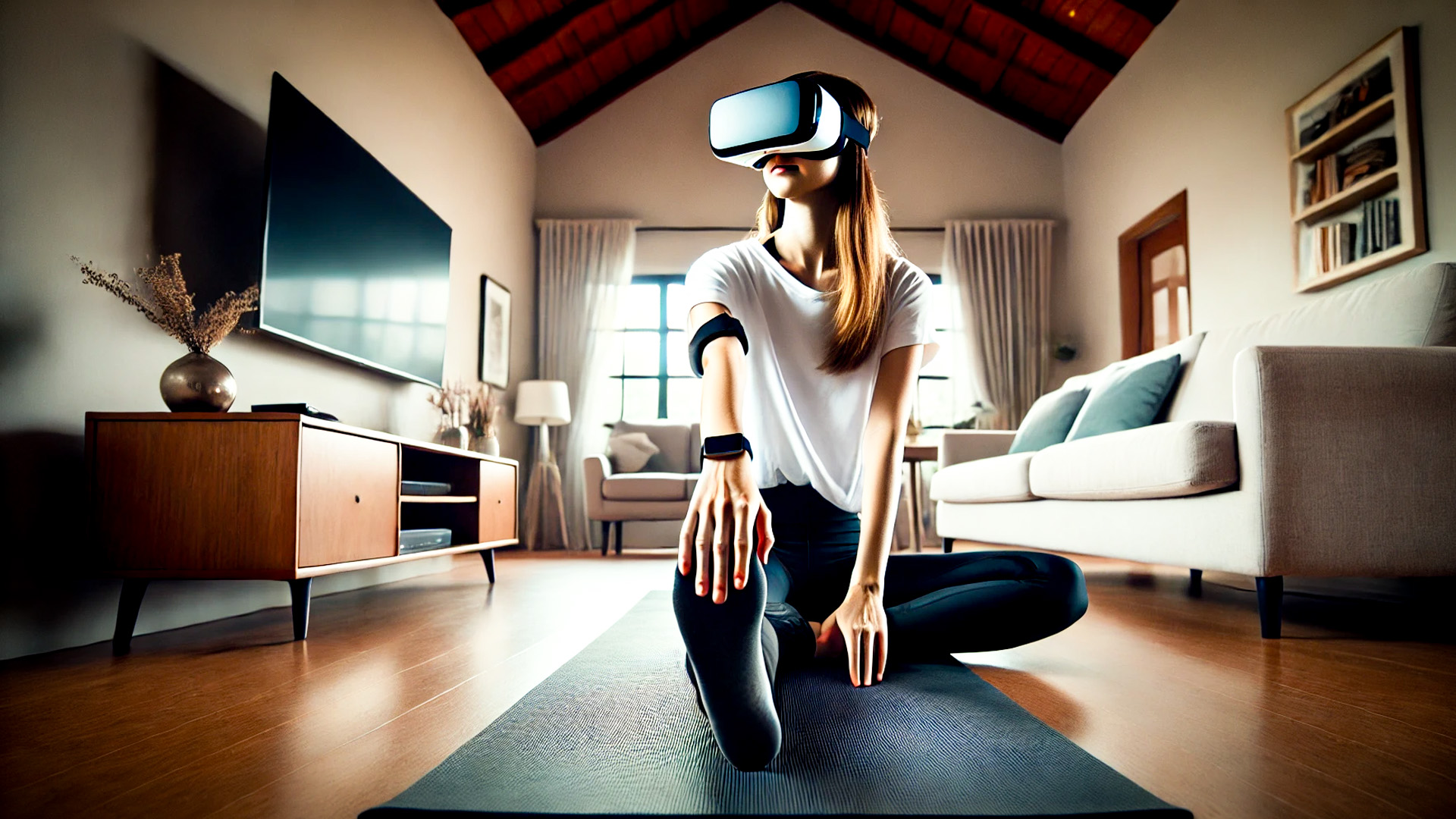
As VR technology becomes more affordable and accessible, home workouts are set to be transformed. Emotion-sensing VR will play a pivotal role in this shift, offering users the opportunity to experience tailored fitness routines without ever leaving their living room. The ability to receive real-time feedback based on emotional state will make home workouts more effective and enjoyable than ever before.
Predictions for the Fitness Industry and VR Integration
The fitness industry is already embracing VR as a powerful tool for engagement and results. As emotion-sensing technology continues to evolve, VR will likely become a standard feature in both commercial and home fitness setups. Gyms may offer fully immersive VR classes, while personal trainers might use VR tools to monitor and adjust clients' workouts based on their emotional responses. In the coming years, we can expect VR to reshape how we think about and approach fitness.

Challenges and Considerations for Emotion-Sensing VR Workouts
Addressing Privacy Concerns with Emotion-Sensing Tech
One of the main challenges with emotion-sensing VR is the issue of privacy. Collecting and analyzing biometric data requires sensitive information that users may be hesitant to share. Ensuring that these technologies are secure and that users have control over their data will be critical in gaining widespread acceptance.
Ensuring Accuracy and Reliability in Emotional Tracking
While emotion-sensing technology is highly advanced, it is not foolproof. Ensuring that the technology accurately interprets emotional cues and provides reliable feedback is essential for it to be effective. As the technology improves, developers will need to refine algorithms and sensors to make sure that users are receiving the most accurate feedback possible.
Balancing Virtual Engagement with Physical Fitness Goals
As exciting as VR fitness is, it's important to remember the ultimate goal: physical health. VR workouts must strike a balance between virtual engagement and real-world fitness outcomes. Developers need to ensure that the fun and immersive nature of VR doesn’t come at the expense of the actual physical exercise involved. Striking the right balance will be key to the long-term success of VR fitness.
Emotion-sensing VR is set to revolutionize the fitness industry by providing a deeply personalized, engaging, and adaptive workout experience. By recognizing the importance of emotions in exercise, VR can guide users to better performance, greater enjoyment, and more consistent results. As this technology continues to evolve, its impact on fitness will only deepen, offering exciting possibilities for the future of exercise.
Author: Elisha Roodt
Delivering expert insights into virtual reality, 360° production, and the immersive technological evolution across South Africa.