
How VR and AR are Being Combined to Create Hybrid Experiences
In the rapidly evolving landscape of technology, Virtual Reality (VR) and Augmented Reality (AR) stand out as transformative forces reshaping how...
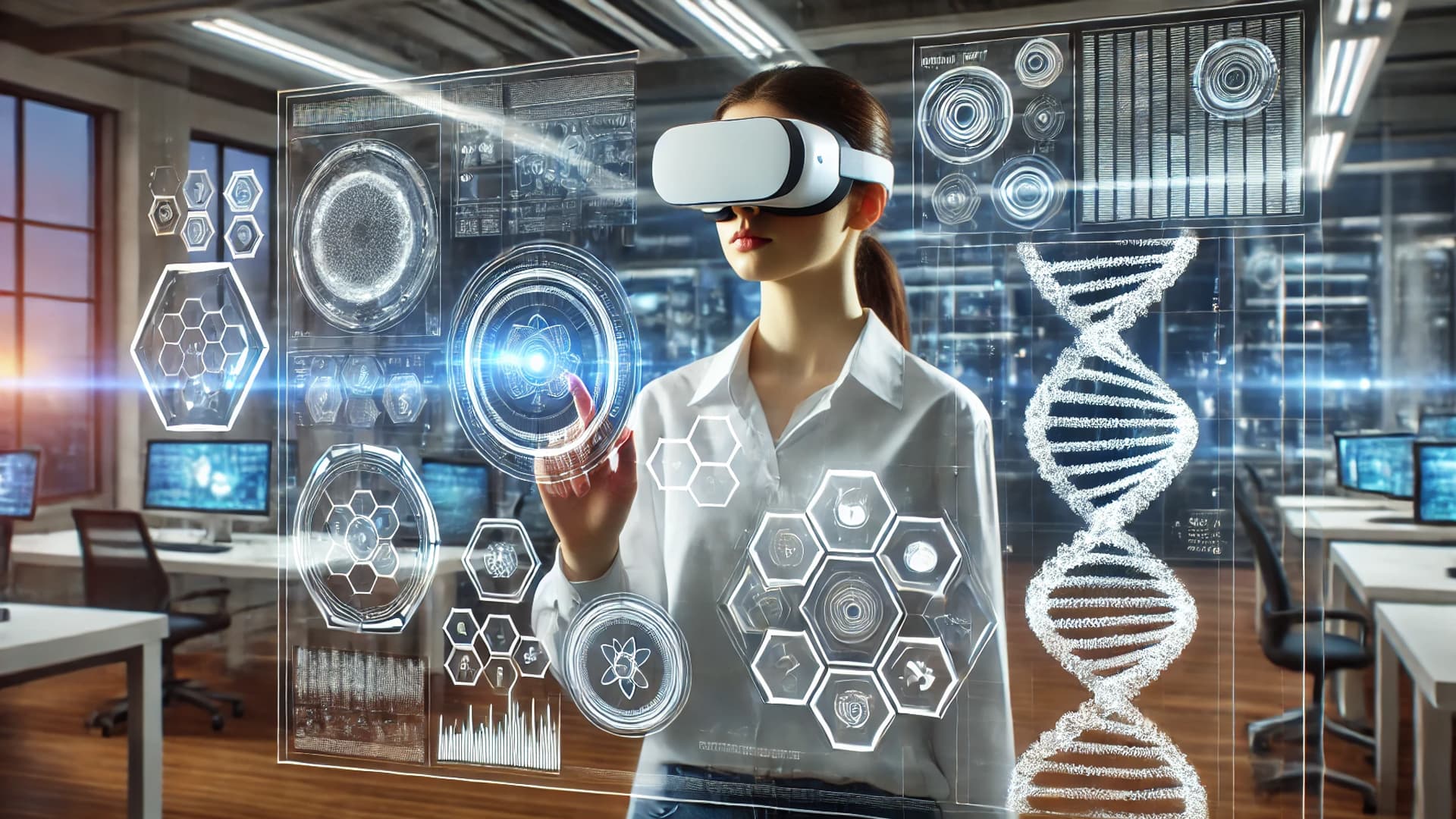
In the rapidly evolving landscape of technology, Virtual Reality (VR) and Augmented Reality (AR) stand out as transformative forces reshaping how we interact with the world. While these technologies have traditionally existed in separate domains—VR immersing users in entirely digital environments, and AR overlaying digital content onto the physical world—there is an increasing trend toward their integration. This fusion, often referred to as hybrid reality, is unlocking new possibilities, blending the immersive qualities of VR with the contextual awareness of AR. As these technologies converge, they create rich, interactive experiences that push the boundaries of what we previously thought possible. This article delves into the evolution of VR and AR, examines how they are being integrated to create hybrid experiences, and explores the profound impact this has across various industries.
The Evolution of VR and AR Technologies
Early Beginnings of VR and AR
The journey of VR and AR began long before the terms became popularized. Early conceptualizations of VR can be traced back to the mid-20th century, with visionary ideas like Morton Heilig’s Sensorama in the 1950s, a mechanical device that aimed to simulate an immersive environment using multiple sensory inputs. On the other hand, AR's roots are often linked to the 1960s with Ivan Sutherland's "Sword of Damocles," a head-mounted display that laid the groundwork for overlaying digital information onto the physical world. These early efforts were rudimentary, limited by the technology of their time, but they set the stage for the complex systems we see today.
Milestones in VR and AR Development
As computing power increased and software capabilities expanded, both VR and AR experienced significant advancements. The 1990s saw the rise of more sophisticated VR systems, driven by companies like Sega and Nintendo, although these were still considered niche products. In the 2000s, AR began to emerge more prominently, particularly with the introduction of mobile devices that could support AR applications, like early versions of ARToolkit. The 2010s marked a turning point, with the release of consumer-friendly VR headsets such as the Oculus Rift and the proliferation of AR applications like Pokémon GO, which demonstrated the potential for mass-market appeal.
Convergence of VR and AR: The Technological Intersection
Today, we stand at the intersection of VR and AR technologies, where the lines between the two are increasingly blurred. The convergence is driven by advances in hardware, such as mixed reality headsets like Microsoft’s HoloLens, which seamlessly blend VR and AR capabilities. This intersection is also fueled by software platforms that support both AR and VR development, allowing for hybrid applications that can switch between or combine these realities. This technological convergence is not merely a blending of features but a synthesis that creates new kinds of experiences—hybrid realities that are more immersive, interactive, and contextually aware than ever before.
Hybrid Experiences: The Fusion of VR and AR
Defining Hybrid Reality: What Makes It Different?
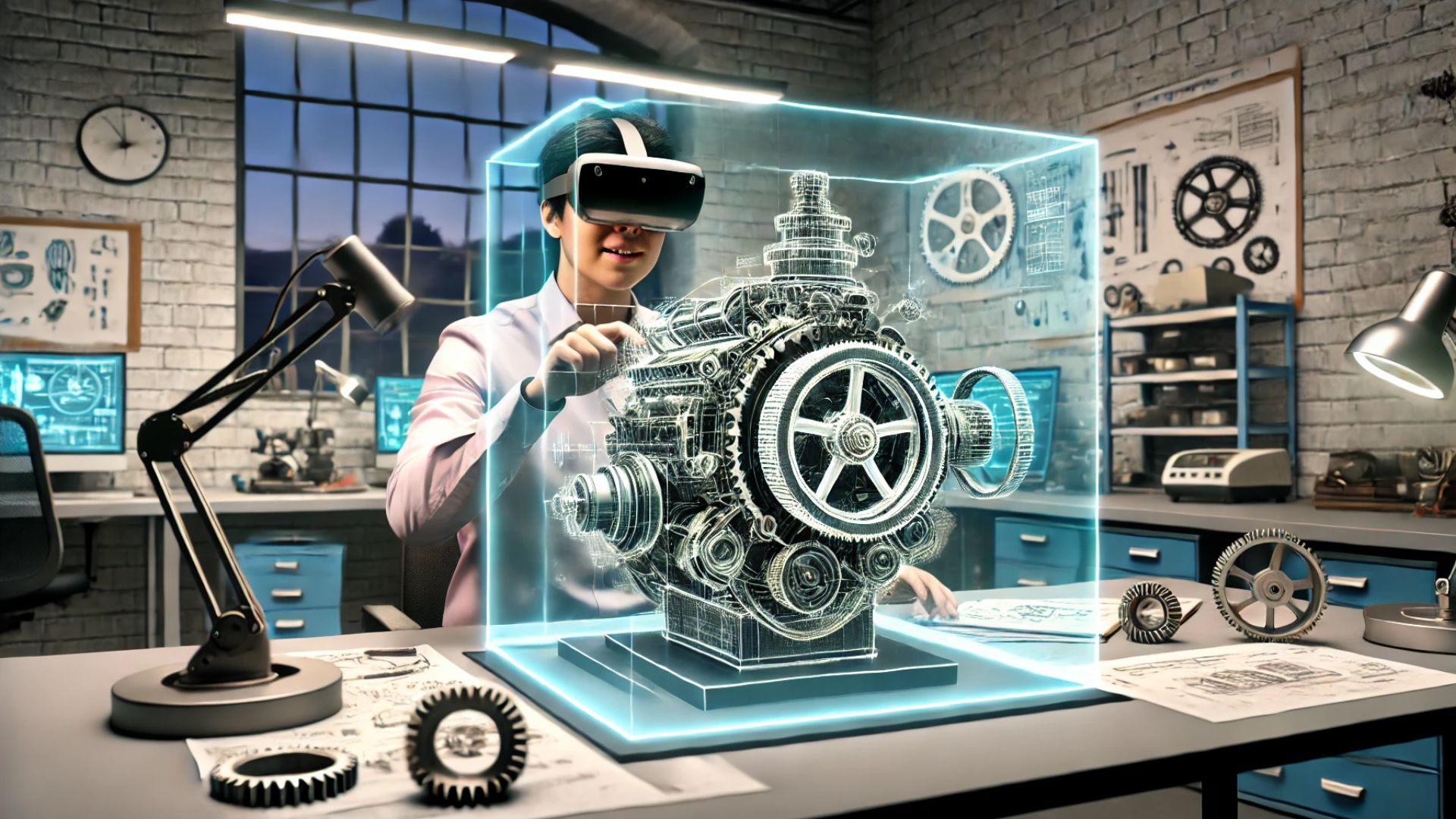
Hybrid reality represents a new paradigm in digital experiences. Unlike traditional VR, which completely immerses the user in a virtual environment, or AR, which simply overlays digital content onto the physical world, hybrid reality dynamically merges the two. In a hybrid reality, virtual objects can interact with the real world in meaningful ways, and users can engage with both environments simultaneously. This creates a more fluid and seamless experience, where the boundaries between the virtual and physical are indistinguishable, allowing for a richer and more versatile interaction.
Key Innovations in Combining VR and AR
Several innovations have paved the way for the integration of VR and AR. One of the most significant is spatial computing, which allows devices to understand and interact with the physical environment in three dimensions. This technology is crucial for creating believable hybrid realities, as it enables virtual objects to have real-world properties, such as obeying the laws of physics. Another innovation is the use of machine learning and AI to enhance the interaction between virtual and physical elements. AI-driven interfaces can predict user behavior, adapt to environmental changes, and create more personalized experiences, making hybrid realities more intuitive and responsive.
Real-World Examples of VR and AR Integration
The integration of VR and AR is already being applied in various real-world scenarios. One notable example is in the field of architecture, where hybrid reality allows architects and clients to visualize building designs in their actual physical context, walking through a virtual model that interacts with the real-world environment. In retail, companies like IKEA are using hybrid reality to let customers visualize how furniture will look in their homes, combining AR's contextual awareness with VR's immersive visualization. In entertainment, hybrid experiences are being created where users can interact with both virtual and real-world elements, blurring the lines between game and reality.

Applications of Hybrid VR and AR in Various Industries
Gaming and Entertainment: Creating Immersive Worlds
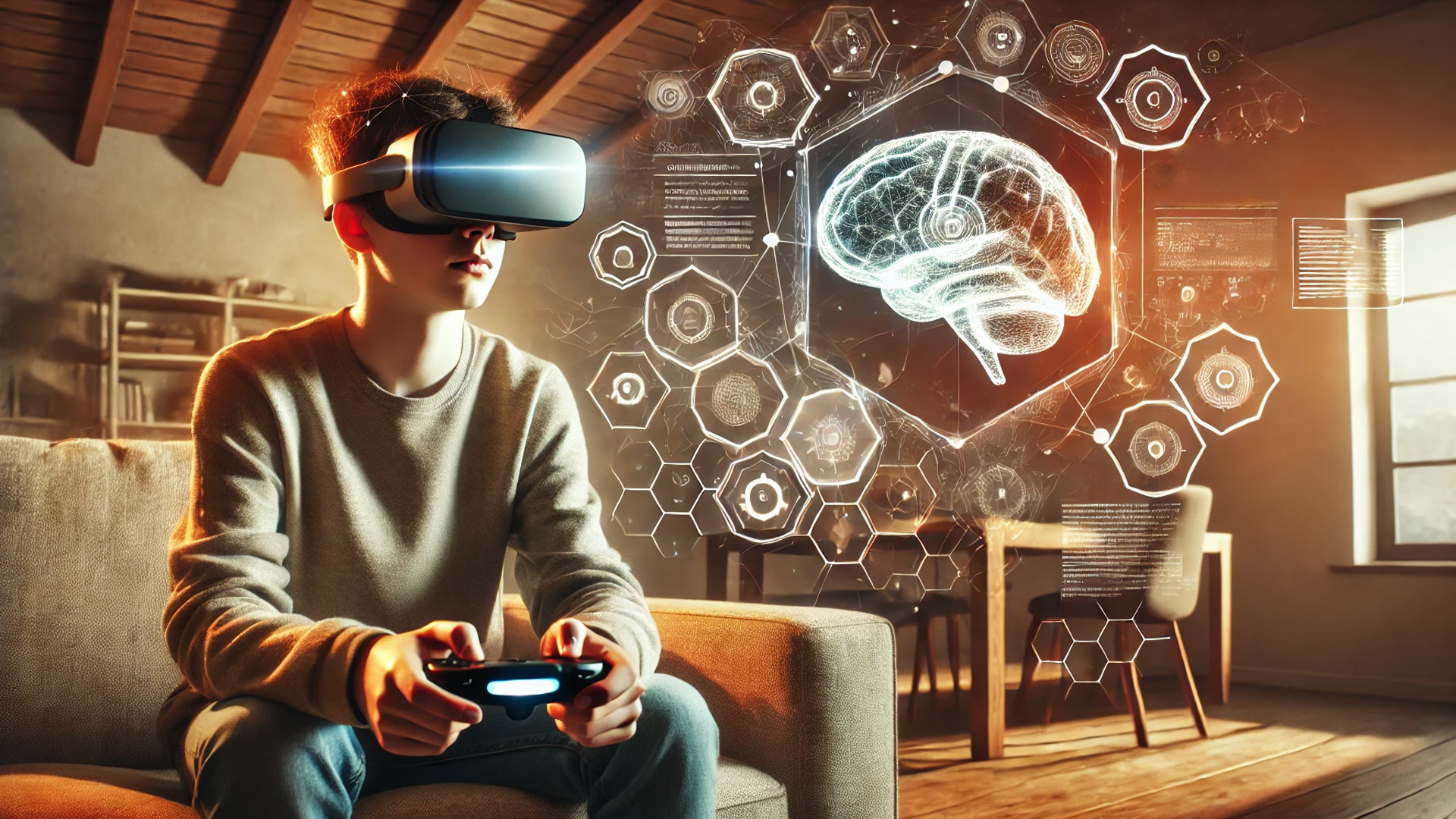
The gaming industry has always been at the forefront of adopting new technologies, and hybrid VR and AR are no exception. By combining these technologies, game developers can create environments that are not only visually immersive but also physically interactive. Players can engage with virtual characters in their living rooms, where the boundaries between the game world and the real world are virtually nonexistent. This hybrid approach allows for more engaging and dynamic gameplay, where the player's physical environment becomes an integral part of the game.
Healthcare: Enhancing Medical Training and Patient Care
In healthcare, hybrid VR and AR are revolutionizing medical training and patient care. Medical students can now practice complex surgical procedures in a hybrid environment, where virtual patients are overlaid onto physical training tools. This combination allows for a more realistic training experience, where students can practice in a controlled environment that mimics the unpredictability of real-life scenarios. For patient care, hybrid reality can assist in preoperative planning by allowing surgeons to visualize the procedure in 3D, integrating the patient’s actual anatomy with virtual models for better precision and outcomes.
Education and Training: Simulated Learning Environments
Education is another sector where hybrid VR and AR are making significant strides. In the classroom, hybrid reality can create simulated learning environments that enhance the educational experience. For instance, students can explore historical events by walking through a virtual reconstruction of ancient civilizations, with real-world elements like their classroom seamlessly integrated into the experience. This approach not only makes learning more engaging but also provides a deeper understanding by immersing students in the subject matter in a way that traditional methods cannot.
Retail and E-commerce: Redefining the Shopping Experience
Retail and e-commerce are being transformed by the integration of VR and AR, creating hybrid shopping experiences that are both convenient and immersive. Shoppers can use AR to try on clothes virtually or see how products will look in their homes before making a purchase. Meanwhile, VR can transport them to virtual stores where they can browse and shop as if they were in a physical location. This hybrid approach offers the best of both worlds—the convenience of online shopping with the tangibility of in-store experiences, thereby enhancing customer satisfaction and reducing the rate of returns.
Architecture and Real Estate: Virtual Tours and Design Visualization
In architecture and real estate, hybrid VR and AR are being used to create virtual tours and design visualizations that provide clients with a comprehensive understanding of spaces before they are built. Clients can walk through virtual models of buildings, where the virtual designs interact with the real-world surroundings, giving a true sense of scale and context. This integration allows for better decision-making in the design process and more effective communication between architects and clients, ultimately leading to more successful projects.
The Benefits of Integrating VR and AR
Enhanced User Engagement and Interaction
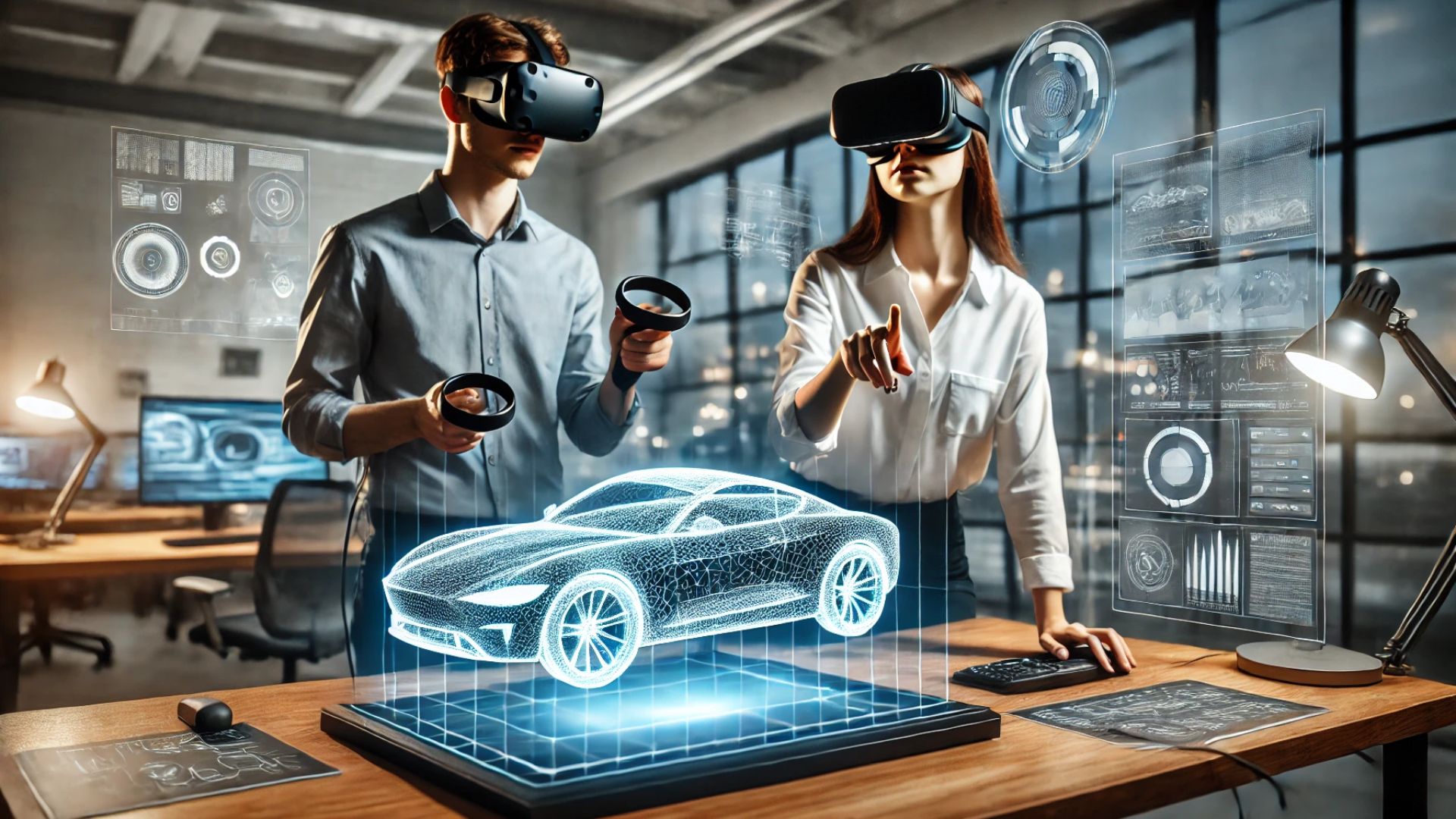
One of the most significant benefits of integrating VR and AR is the enhanced level of user engagement and interaction. By combining the immersive nature of VR with the contextual awareness of AR, hybrid experiences can capture and hold users’ attention more effectively. This deep level of engagement is particularly beneficial in fields such as education, where active participation can significantly enhance learning outcomes, and in marketing, where creating memorable experiences can lead to increased brand loyalty.
Improved Accessibility and Inclusion
Hybrid reality technologies also offer improvements in accessibility and inclusion. For individuals with physical disabilities, hybrid experiences can provide new ways to interact with their environment, breaking down barriers that might otherwise limit their participation in certain activities. For instance, a hybrid educational tool can adapt to a user’s specific needs, whether that means providing visual or auditory assistance or offering alternative ways to engage with content. This inclusivity ensures that a broader audience can benefit from the advancements in VR and AR technology.
Cost-Effectiveness in Training and Simulation
In industries where training and simulation are critical, the cost-effectiveness of hybrid VR and AR cannot be overstated. Traditional training methods, particularly those that require physical simulations or expensive equipment, can be prohibitively expensive. Hybrid reality offers a more affordable alternative by creating virtual simulations that can be accessed and utilized repeatedly. This not only reduces costs but also allows for more flexible and scalable training programs, where simulations can be tailored to individual needs without the need for physical materials or setups.
Scalability and Flexibility Across Platforms
Another advantage of hybrid VR and AR is their scalability and flexibility. Hybrid experiences can be designed to work across various platforms, from high-end VR headsets to mobile AR applications, making them accessible to a wide audience. This flexibility also allows for experiences to be easily updated or expanded, ensuring that they remain relevant and engaging over time. As a result, businesses and educators can reach a broader audience with content that is adaptable to different contexts and needs.
Challenges and Considerations in VR and AR Integration
Technical Limitations and Compatibility Issues
Despite the many benefits, integrating VR and AR comes with its own set of challenges, particularly in terms of technical limitations and compatibility. The hardware required to support hybrid experiences is often expensive and can be cumbersome, limiting its accessibility. Additionally, ensuring compatibility across different devices and platforms can be challenging, as
not all systems are equipped to handle the demands of both VR and AR simultaneously. These technical hurdles must be addressed to ensure that hybrid realities can be widely adopted and effectively utilized.
User Experience: Overcoming the Learning Curve
Another challenge is the user experience, particularly when it comes to the learning curve associated with hybrid VR and AR technologies. For many users, these technologies are still new and unfamiliar, and there can be a steep learning curve involved in understanding how to navigate and interact with hybrid environments. This can be a barrier to adoption, particularly in industries where users may not be as tech-savvy. To overcome this, developers must focus on creating intuitive and user-friendly interfaces that minimize the learning curve and make hybrid experiences accessible to everyone.
Privacy and Security Concerns
Privacy and security are also significant considerations in the integration of VR and AR. As these technologies become more immersive and collect more data about users and their environments, the potential for privacy breaches increases. Hybrid experiences often require access to sensitive information, such as location data or biometric information, which can be vulnerable to hacking or misuse. Developers and companies must prioritize privacy and security by implementing robust safeguards and ensuring that user data is protected at all times.
Ethical Implications of Hybrid Realities
The ethical implications of hybrid realities cannot be ignored. As the line between the virtual and physical worlds becomes increasingly blurred, questions arise about the impact of these technologies on our perception of reality and our behavior. There are concerns about the potential for addiction, as users may become overly immersed in hybrid environments, as well as the impact on mental health. Additionally, the use of hybrid realities in marketing and advertising raises ethical questions about manipulation and consent. As these technologies continue to evolve, it is essential to address these ethical considerations to ensure that they are used responsibly.

The Future of VR and AR Integration
Emerging Trends in Hybrid Reality Development
Looking to the future, several emerging trends suggest that hybrid reality will continue to evolve and become even more integrated into our daily lives. One such trend is the development of more advanced AI and machine learning algorithms that can create even more realistic and responsive hybrid environments. Another is the miniaturization of hardware, which will make hybrid experiences more accessible and affordable. As these trends continue to develop, we can expect hybrid reality to become an increasingly common part of our everyday experiences.
Potential for New Business Models and Opportunities
The integration of VR and AR also presents new business models and opportunities. Companies can create entirely new markets by developing hybrid reality products and services, ranging from entertainment and gaming to education and healthcare. Additionally, businesses can use hybrid reality to create more personalized and engaging customer experiences, leading to new revenue streams and increased customer loyalty. As hybrid reality becomes more widespread, we will likely see the emergence of innovative business models that capitalize on the unique capabilities of these technologies.
Predictions for the Next Decade in VR and AR Integration
Over the next decade, the integration of VR and AR is expected to become even more sophisticated and widespread. We can anticipate the development of more advanced hybrid experiences that blur the lines between the virtual and physical worlds even further. Additionally, as hardware becomes more affordable and accessible, we can expect hybrid reality to become a mainstream technology used in various industries. This will lead to new opportunities for businesses, educators, and consumers alike, as hybrid reality becomes an integral part of our daily lives.
The integration of VR and AR to create hybrid experiences represents a significant advancement in digital technology. By combining the immersive qualities of VR with the contextual awareness of AR, hybrid reality offers a more engaging, interactive, and versatile experience. While there are challenges to be addressed, including technical limitations, user experience, privacy, and ethical considerations, the potential benefits of hybrid reality are immense. As these technologies continue to evolve, we can expect hybrid reality to become an increasingly important part of our world, transforming how we interact with both the virtual and physical environments around us.
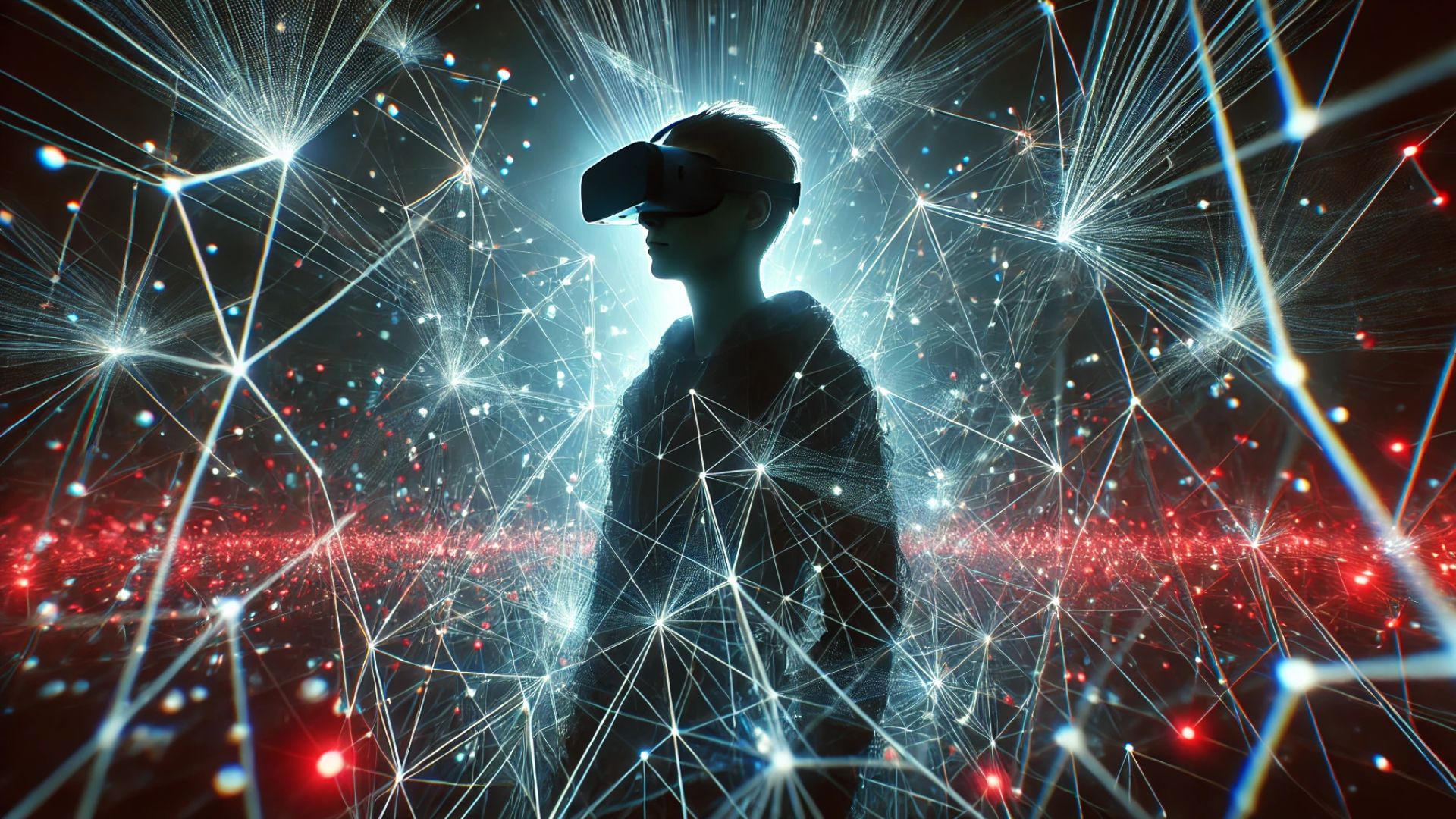
The Future of VR and AR Integration
Author: Elisha Roodt
Delivering expert insights into virtual reality, 360° production, and the immersive technological evolution across South Africa.