
How VR is Shaping the Future of Mental Health Treatments
The rising demand for innovative mental health solutions is significantly altering the landscape of therapy. While traditional approaches, such as...
The rising demand for innovative mental health solutions is significantly altering the landscape of therapy. While traditional approaches, such as talk therapy and medication, have provided effective treatment for many individuals, they often fall short when addressing complex, deeply rooted psychological conditions. These conditions, which may involve trauma, phobias, or chronic anxiety, require a more dynamic approach that goes beyond conventional methods. This gap in treatment options has paved the way for the integration of advanced technologies, and virtual reality (VR) has emerged as a groundbreaking tool in revolutionizing mental health care.
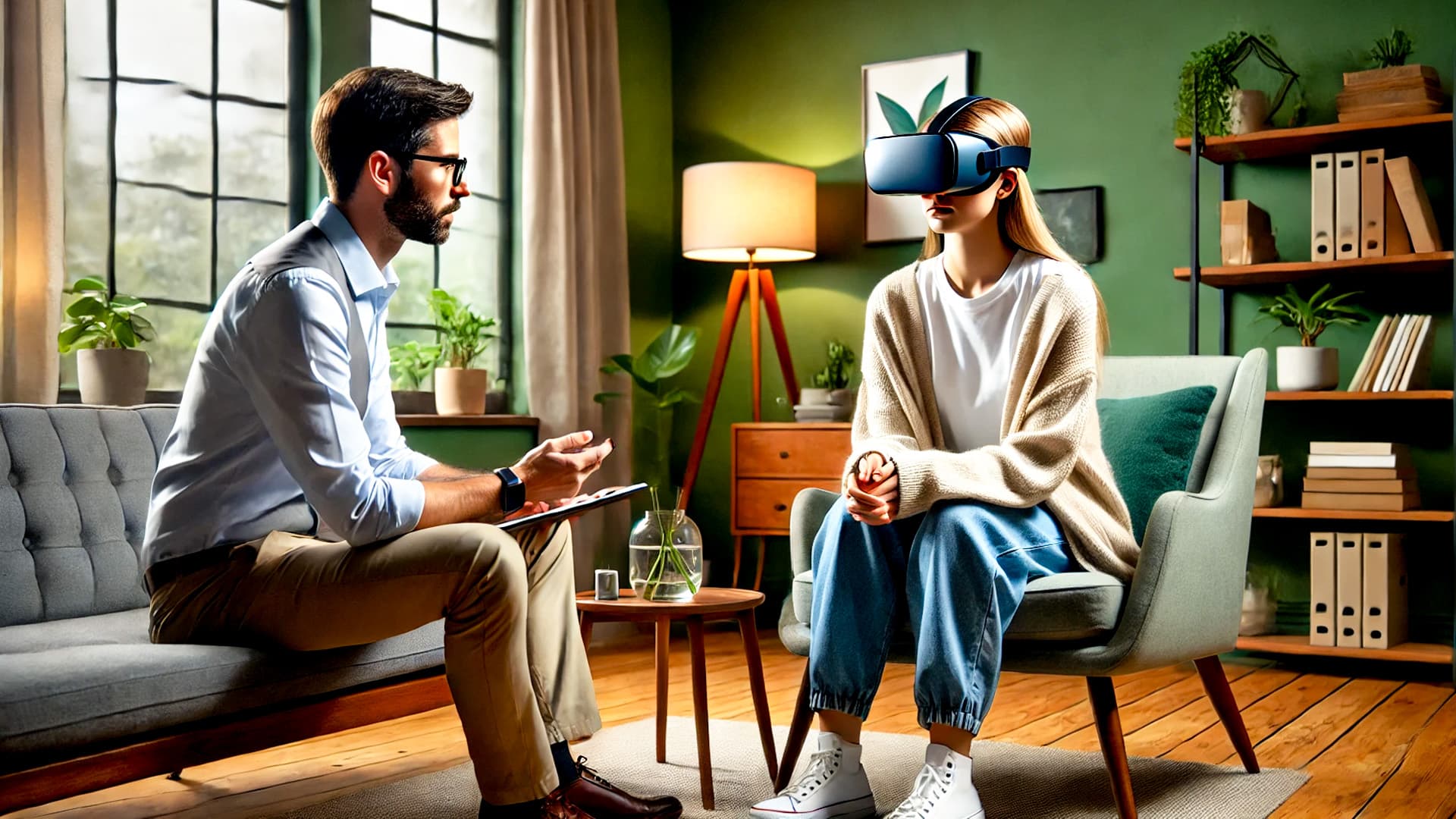
VR is transforming the way therapists engage with patients by providing highly immersive and interactive experiences. It enables patients to confront their fears, explore traumatic memories, or practice coping strategies in controlled, virtual environments. For instance, individuals suffering from post-traumatic stress disorder (PTSD) can revisit their traumatic experiences in a safe space, allowing them to process emotions and responses under the guidance of a therapist. This approach not only enhances traditional therapies but also opens up new avenues for managing mental health conditions that were once difficult to treat. Through real-time exposure therapy and biofeedback mechanisms, VR offers an unprecedented level of precision in tracking progress and tailoring interventions to individual needs. By merging cutting-edge technology with the expertise of mental health professionals, VR is creating a more effective and personalized approach to care, offering patients the potential for long-term healing and growth.
The Science Behind VR in Mental Health
Understanding how VR engages the brain
At its core, virtual reality (VR) taps into the brain’s remarkable ability to perceive virtual environments as though they are real. This phenomenon, referred to as "presence," activates the same neural pathways and areas of the brain that would be engaged during actual experiences. When a person is immersed in a VR environment, the brain reacts as if they are physically present, allowing it to respond with genuine emotional and cognitive reactions. This engagement makes VR a powerful tool for mental health therapy, as it allows therapists to design highly realistic environments that evoke authentic responses while maintaining control over the intensity and nature of the experience. This makes it possible to simulate various situations that are therapeutic yet safe for the patient.
The role of immersive environments in therapeutic settings
Immersive VR environments play a critical role in therapeutic settings by creating spaces that offer patients the opportunity to face their fears, practice mindfulness, or engage in social scenarios, all without external pressures. For instance, someone with a fear of public speaking or social anxiety can rehearse in a virtual auditorium, feeling the anxiety of performing before an audience but within a secure and customizable environment. This safe exposure allows patients to practice coping mechanisms, desensitize themselves to anxiety triggers, and gradually build confidence in a non-threatening setting. Immersive environments also enable the simulation of complex social situations, helping patients improve their social skills and interpersonal interactions.
How VR promotes emotional and psychological breakthroughs
By placing individuals in controlled yet realistic virtual settings, VR provides a unique opportunity to confront situations that may be too overwhelming or triggering in the real world. This safe exposure allows patients to process past traumas, develop resilience, and experience emotional breakthroughs. For example, someone suffering from trauma can relive specific events in a safe space, enabling them to address their emotions and responses with the support of a therapist. This type of controlled immersion promotes healing by fostering emotional regulation, enhancing coping strategies, and encouraging new ways of thinking and perceiving distressing events, ultimately leading to profound psychological growth and breakthrough moments.
Applications of VR in Therapy
Treating anxiety and phobias with controlled exposure
Exposure therapy is a well-established approach for treating anxiety and phobias, and VR has greatly enhanced this treatment. In traditional exposure therapy, patients gradually confront their fears, but VR allows them to experience controlled simulations of these fears in a virtual setting. Whether the fear is of heights, spiders, or crowded spaces, VR can create tailored scenarios that expose patients to their specific anxieties in a manageable way. This process helps desensitize the fear response, enabling patients to gradually reduce their anxiety over time. The key benefit of VR is its ability to provide a controlled environment where therapists can adjust the intensity of exposure, allowing for a gradual and safe approach to overcoming phobias without the risk of overwhelming the patient.
Managing PTSD through virtual reality simulations
Post-traumatic stress disorder (PTSD) can lead individuals to relive distressing events, often causing intense emotional and psychological turmoil. VR therapy provides an innovative way to address this issue by creating customized virtual environments that allow patients to revisit their traumatic memories in a safe and controlled manner. In these simulations, therapists guide patients through scenarios that mimic the real-life triggers of their trauma, helping them process and reframe these experiences. This form of exposure therapy encourages patients to confront the emotional impact of their trauma while remaining in a safe space. By repeatedly revisiting these memories in a controlled environment, patients can gradually reduce symptoms and develop healthier coping mechanisms, ultimately aiding in their recovery.
Improving mindfulness and relaxation techniques
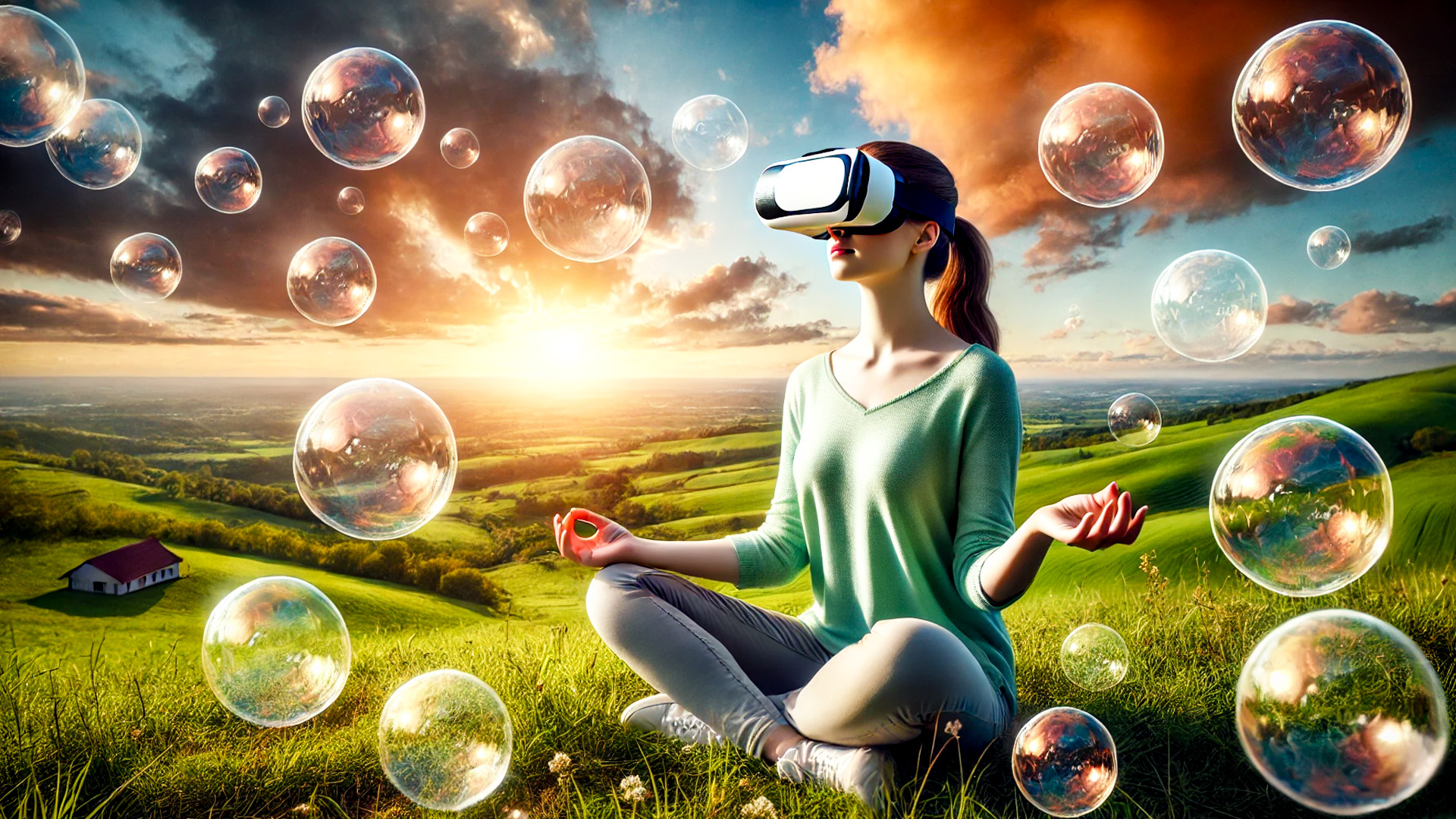
VR offers patients the opportunity to experience peaceful, immersive environments that can significantly enhance traditional mindfulness and relaxation practices. Virtual settings such as serene beaches, lush forests, or tranquil gardens provide a rich sensory experience that encourages deep relaxation. These environments are designed to help patients escape from daily stressors, promoting mental clarity and emotional calm. With soothing sounds and calming visuals, VR can enhance meditation practices, making them more immersive and engaging. The convenience of these virtual environments allows patients to practice mindfulness at any time, improving accessibility for those who may not have access to nature or other calming spaces in their daily lives. This application of VR is helping individuals manage stress, reduce anxiety, and improve overall well-being in a way that is both effective and engaging.
VR as a Tool for Personalized Therapy
Creating tailored experiences for individual needs
One of VR’s most powerful features is its flexibility, allowing therapists to create highly personalized experiences tailored to each patient’s specific challenges and therapeutic goals. For example, a person with social anxiety might benefit from VR simulations of a job interview, where they can practice responses and body language in a realistic yet controlled setting. Similarly, someone dealing with stress may benefit from a tranquil VR retreat, such as a virtual forest or beach, where they can practice relaxation techniques in an immersive, soothing environment. This adaptability ensures that therapy is not one-size-fits-all but can be tailored to the individual's needs, fostering a more engaging and effective treatment experience. Whether the goal is to tackle phobias, practice social skills, or simply promote relaxation, VR offers a wide array of possibilities that can be customized to suit each patient's emotional state and therapeutic objectives.
Using real-time feedback to adjust therapeutic approaches
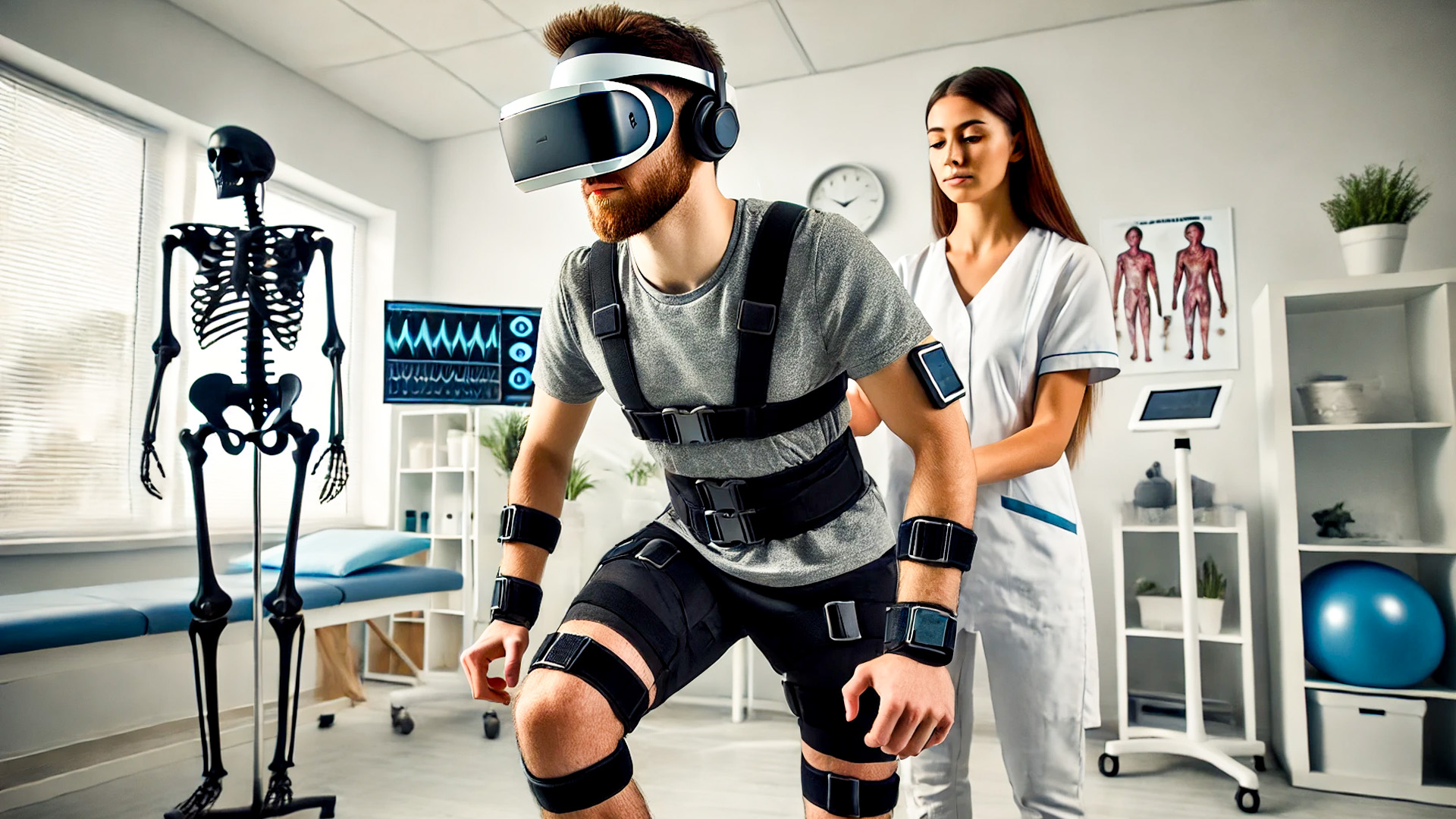
Modern VR systems come equipped with advanced sensors that track physiological responses, such as heart rate, eye movement, and even skin conductivity. This real-time data provides therapists with immediate feedback on a patient’s emotional state, enabling them to adjust the session dynamically. For example, if a patient’s heart rate increases during exposure to a particular stimulus, the therapist can pause the experience or modify the scenario to ensure the patient remains within their comfort zone. This immediate feedback helps ensure that patients are not overwhelmed, allowing therapists to fine-tune the treatment for maximum effectiveness. By continuously adapting the experience based on real-time responses, VR enhances the precision and personalization of mental health care.
Tracking patient progress through VR data insights
VR platforms are equipped with sophisticated analytics tools that track a variety of metrics to measure patient progress. These insights include session duration, emotional responses, level of engagement, and even behavioral changes over time. By reviewing this data, therapists can gain a comprehensive understanding of how patients are progressing through their treatment. This data-driven approach allows therapists to refine treatment plans, adjust goals, and identify areas that need more focus. It also provides a quantifiable measure of therapeutic progress, helping to track the effectiveness of the VR-based interventions over time. The ability to track progress in such detail makes VR not just a therapeutic tool, but also a valuable resource for improving long-term outcomes and ensuring that the therapy remains relevant and effective for each individual patient.
Challenges and Ethical Considerations
Addressing the cost and accessibility of VR therapy
While the potential of VR in therapy is immense, one of the significant barriers to widespread adoption is the high cost of the equipment and software needed for effective treatment. The expense of VR headsets, specialized controllers, and therapeutic applications can be prohibitively high for many patients and healthcare providers. This financial strain limits access to VR therapy, particularly in low-income communities or smaller clinics that may not have the resources to invest in this technology. To overcome these barriers, efforts are underway to create more affordable VR solutions and to explore ways of integrating VR therapy into public health systems. Government subsidies, insurance coverage, and partnerships between healthcare providers and technology companies could help make VR therapy more accessible to a broader population, ensuring that its benefits are available to those who need it most.
Ensuring patient safety in virtual environments
Despite being controlled and safe, virtual reality can sometimes provoke strong emotional reactions. For example, exposure therapy in VR can trigger anxiety or distress, particularly if a patient is not fully prepared for the experience. Therapists need to ensure that patients are well-informed about what to expect during their VR sessions and that they have a clear understanding of how the process works. Additionally, therapists must be present and ready to offer support if the patient becomes overwhelmed, ensuring that they can safely exit the virtual environment if needed. It’s essential that therapists closely monitor the patient’s reactions during the session and provide timely intervention if any adverse effects arise, guaranteeing that the experience remains beneficial and does not cause harm.
Ethical implications of using VR for mental health
The integration of VR in mental health therapy raises several ethical concerns that need careful consideration. One of the most pressing issues is data privacy, as VR systems collect sensitive information such as emotional responses, physical reactions, and potentially personal details about a patient’s history or mental state. Protecting this data from unauthorized access or misuse is crucial to maintaining patient trust and confidentiality. Additionally, informed consent is another critical factor, as patients must fully understand the potential risks and benefits of VR therapy before participating. Furthermore, there are concerns about the potential for over-reliance on technology, as VR may not replace the human connection and empathy provided by traditional therapy. To address these concerns, collaboration between tech developers, mental health professionals, and policymakers is necessary to establish clear ethical guidelines that protect both patients and the integrity of the therapeutic process.
The Future of VR in Mental Health
Emerging technologies enhancing VR therapy
As technology continues to evolve, several cutting-edge innovations are set to enhance the potential of VR therapy. One such advancement is haptic feedback, which allows users to physically feel sensations within the virtual world, adding a tactile layer to the immersive experience. This could be particularly useful in therapies such as exposure therapy, where patients might not only see and hear their triggers but also physically feel them, deepening the therapeutic impact. Additionally, AI-driven scenarios are transforming the way VR simulations are tailored to individual needs. By using artificial intelligence, VR systems can adapt scenarios in real-time based on a patient's responses, making each session more personalized and dynamic. Eye-tracking technology is another innovation that allows therapists to monitor a patient's gaze patterns, which can provide valuable insights into their emotional state and guide therapeutic adjustments during sessions. These advancements promise to make VR therapy even more immersive, intuitive, and effective, paving the way for more tailored and responsive mental health interventions.
Collaborations between tech developers and mental health professionals
The integration of VR into mental health care is not just about the technology itself but also about how it is developed and used in therapeutic settings. Successful VR therapy requires strong collaborations between tech developers and mental health professionals. Developers bring technical expertise to create immersive environments and interactive features, while therapists ensure that these tools are clinically appropriate, ethical, and beneficial for patients. By working together, developers and therapists can ensure that VR applications align with therapeutic needs, clinical goals, and ethical standards. This collaboration is essential in creating tools that are not only innovative but also safe and effective for real-world therapeutic use.
Predictions for widespread adoption in clinical practices
As the cost of VR technology continues to decrease and the evidence supporting its effectiveness grows, VR is expected to become a standard tool in mental health care. Its versatility allows it to be used across a wide range of therapeutic areas, from treating anxiety and phobias to managing PTSD and promoting mindfulness. With proven benefits and the ability to offer personalized, data-driven experiences, VR therapy could become a staple in clinics, hospitals, and even at-home care. The growing body of research supporting VR’s efficacy, combined with efforts to make the technology more affordable and accessible, suggests a future where VR therapy is widely available to those who need it most.
The potential impact of VR on the mental health landscape is profound.
By offering immersive, personalized, and data-driven therapeutic experiences, VR is fundamentally shifting the way mental health treatment is delivered. It’s not just about enhancing existing therapies—it’s about expanding the possibilities of mental health care by making it more engaging, accessible, and effective. To fully harness VR's potential, the mental health community must continue to address challenges such as accessibility, ethical concerns, and integration into existing healthcare systems. With ongoing innovation and strong collaboration between developers, therapists, and policymakers, VR therapy is poised to reshape the future of mental health care, making it more effective and widely accessible to individuals around the world.
Challenges And Ethical Considerations
Author: Elisha Roodt
Delivering expert insights into virtual reality, 360° production, and the immersive technological evolution across South Africa.