
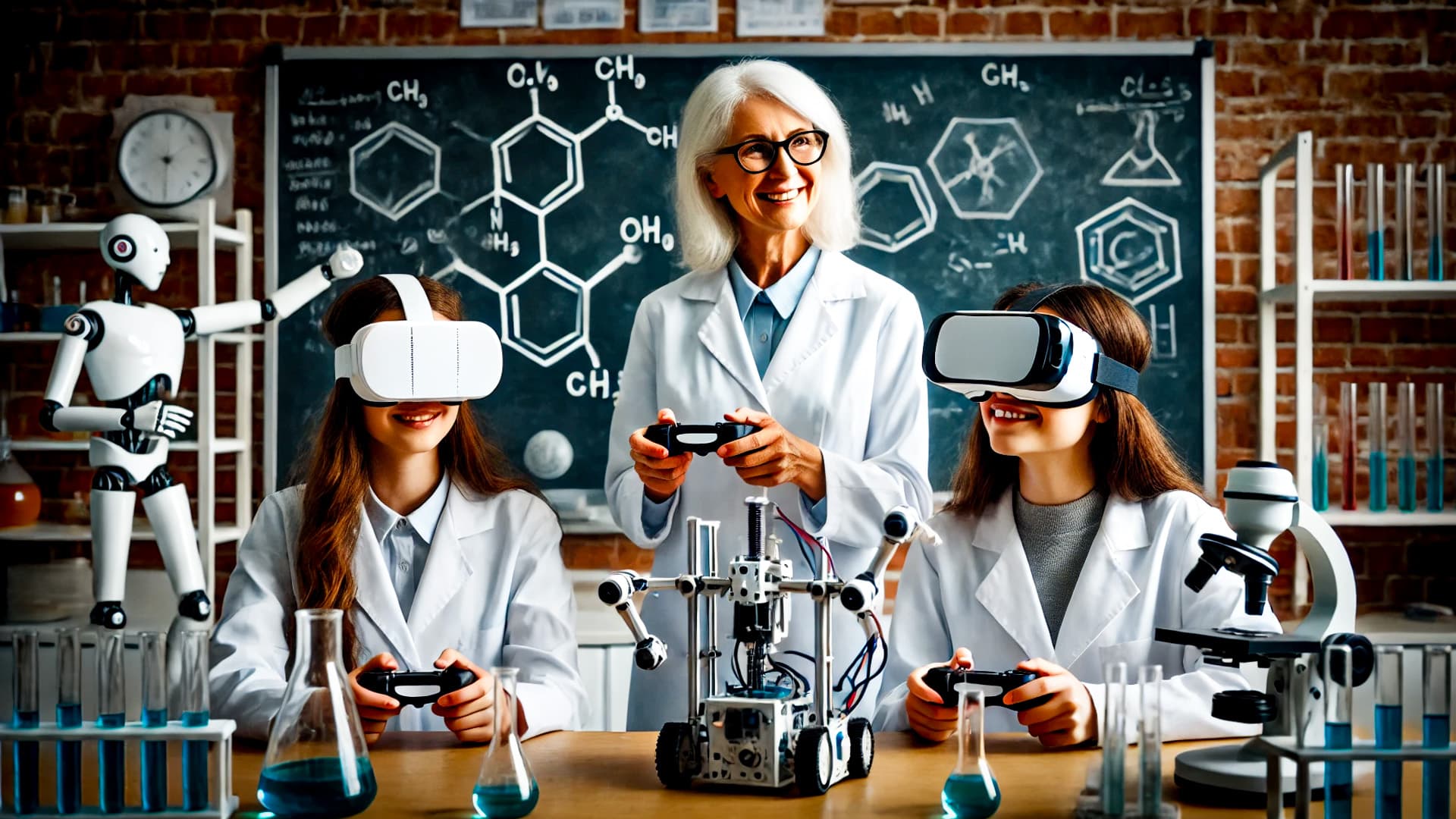
How VR is Transforming Education and Training for Good
The Rise of Virtual Reality in Education Virtual Reality (VR) technology, once confined to the realm of science fiction, has now become a...
The Rise of Virtual Reality in Education
Virtual Reality (VR) technology, once confined to the realm of science fiction, has now become a groundbreaking force across a multitude of industries. VR is characterized by its ability to create fully immersive, simulated environments where users can interact in real-time, thanks to advanced headsets and motion sensors. This immersive experience offers a profound sense of presence and engagement, which is increasingly being utilized to revolutionize education and training.
The role of VR in education is expanding rapidly, moving beyond its origins in gaming and entertainment to make significant impacts in fields such as medicine, engineering, and notably, education. VR’s ability to offer interactive and immersive experiences is reshaping traditional educational approaches. Instead of merely augmenting existing methods, VR is transforming the educational landscape by providing students with hands-on, experiential learning opportunities that were previously unimaginable.
Educational institutions and training organizations are now exploring VR as a key tool for enhancing learning outcomes. With VR, students can engage in complex simulations, explore historical events, or practice technical skills in a controlled, virtual environment. This innovative approach not only makes learning more engaging but also improves retention and understanding by immersing students in practical, real-world scenarios.
As the adoption of VR in education continues to grow, it promises to redefine how knowledge is imparted, making learning more dynamic and effective. By incorporating VR, educators can offer richer, more interactive learning experiences that cater to various learning styles and needs, paving the way for a new era in education where technology and learning converge seamlessly.
Enhancing Learning Experiences with Immersive VR
Virtual Reality (VR) is revolutionizing educational experiences by crafting interactive and highly engaging learning environments. Traditional teaching methods, which often rely on textbooks and lectures, can sometimes fall short in delivering dynamic, interactive experiences necessary for deep comprehension. VR overcomes these limitations by creating immersive environments where students can engage directly with 3D models, participate in simulations, and explore concepts hands-on.
For example, VR enables experiential learning by allowing students to conduct virtual experiments, explore historical events, or investigate complex scientific phenomena in a controlled, risk-free environment. A biology student might dissect a virtual frog, providing a realistic yet safe alternative to physical dissection. Similarly, a history student could take a virtual stroll through ancient Rome, experiencing historical contexts firsthand from the comfort of their classroom.
The adoption of VR in education is growing rapidly. VR applications in classrooms include interactive history lessons where students can "visit" different time periods and virtual science labs where experiments that would be impractical or hazardous in real life can be conducted. In professional training, particularly in fields such as aviation and medicine, VR is used to simulate real-world scenarios, offering learners valuable practical experience in a cost-effective and safe manner.
By integrating VR into educational settings, institutions are not just supplementing traditional methods but transforming the learning experience. Students gain deeper insights through immersive interactions and practical applications, making education more engaging, effective, and aligned with the needs of a modern, technologically advanced world.
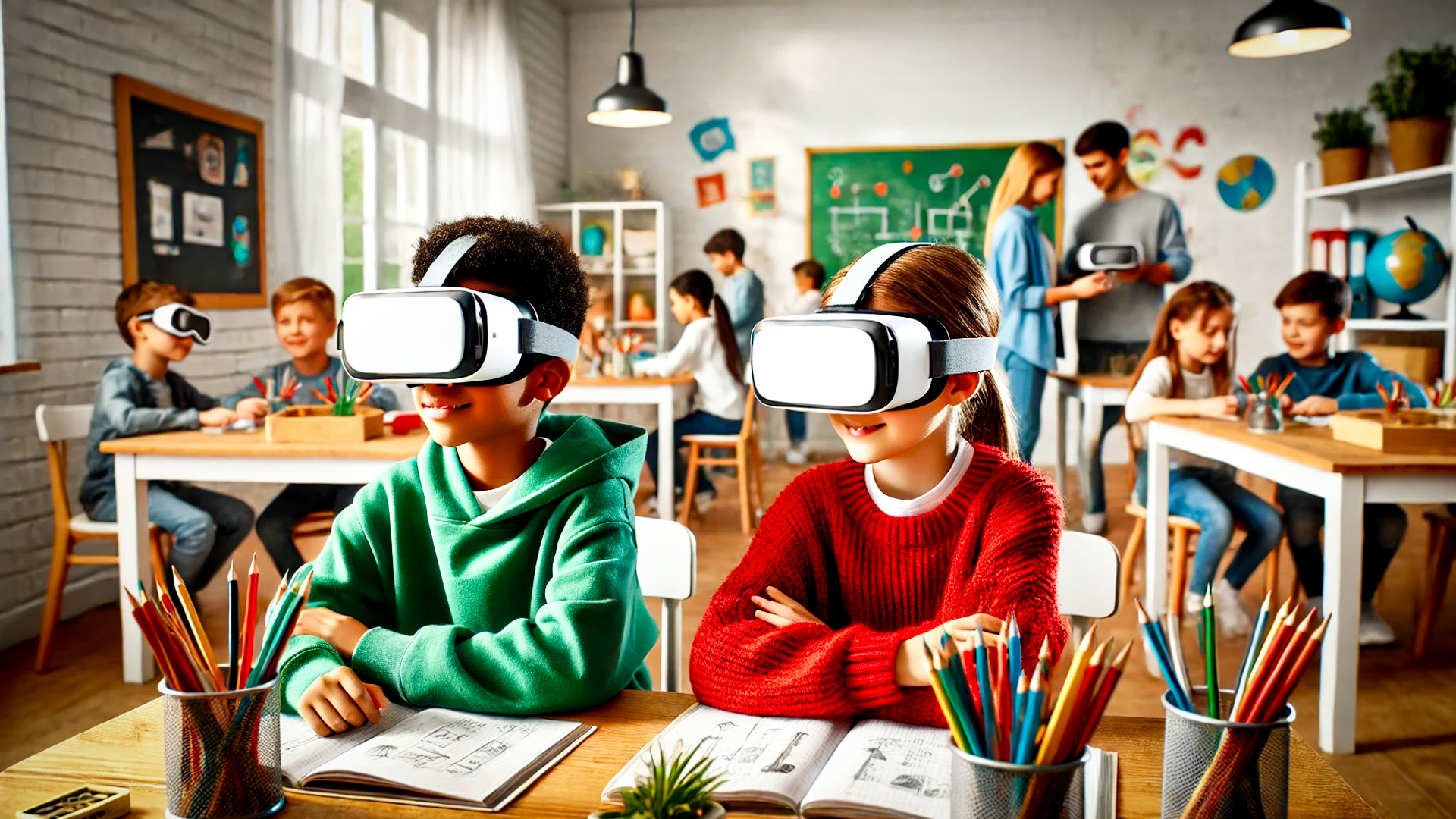
Breaking Down Barriers: Accessibility and Inclusion
One of the most transformative aspects of Virtual Reality (VR) in education is its ability to enhance accessibility and inclusion, particularly for remote or underserved areas. Historically, students in rural or economically disadvantaged regions often faced significant barriers to accessing high-quality educational resources and specialized training programs. VR has the potential to bridge these gaps by delivering immersive, high-quality educational content directly to students, regardless of their geographical location.
In addition to reaching remote areas, VR can be customized to accommodate a wide range of learning needs. For students with disabilities, VR environments can be adapted with auditory or visual aids to ensure that they have equal access to educational experiences. This flexibility makes it possible to create inclusive learning environments where all students can engage with the material in a manner that suits their individual needs.
Several case studies illustrate VR’s impact on improving global access to education. In India, VR classrooms are being implemented in remote villages, bringing interactive and engaging educational experiences to students who previously had limited access to such resources. Similarly, in sub-Saharan Africa, VR-based vocational training programs are offering valuable skills and knowledge to individuals who might otherwise have had few educational opportunities. These initiatives showcase VR’s potential to democratize education, providing high-quality learning experiences to a broader audience and helping to level the playing field for students around the world.
Revolutionizing Professional Training and Skill Development
In the domain of professional training, Virtual Reality (VR) is revolutionizing skill development by providing an innovative approach to learning. For high-risk professions such as aviation, medicine, and emergency services, VR offers an invaluable tool for simulating realistic scenarios without the inherent risks of real-world training. Pilots can rehearse emergency procedures, surgeons can practice complex operations, and firefighters can navigate hazardous environments, all within a controlled virtual space. This immersive approach allows trainees to gain experience and confidence in handling critical situations safely and effectively.
Moreover, VR's benefits extend beyond technical skills to include the development of soft skills and decision-making capabilities. VR simulations can recreate high-pressure scenarios that require trainees to make swift decisions, manage stress, and collaborate with others. This experiential learning environment helps build competencies that are challenging to teach through traditional methods, providing a comprehensive training experience that prepares individuals for real-world challenges.
Success stories from various industries highlight VR's transformative impact on professional training. In the oil and gas sector, companies use VR to train employees on safety protocols and equipment handling, ensuring they are well-prepared for potentially hazardous conditions. Similarly, educational institutions employ VR to simulate surgeries for medical students, enhancing their practical skills and boosting their confidence before they perform procedures in actual operating rooms. These examples underscore VR's role in advancing professional training, making it more effective and adaptable to the complex demands of modern careers.
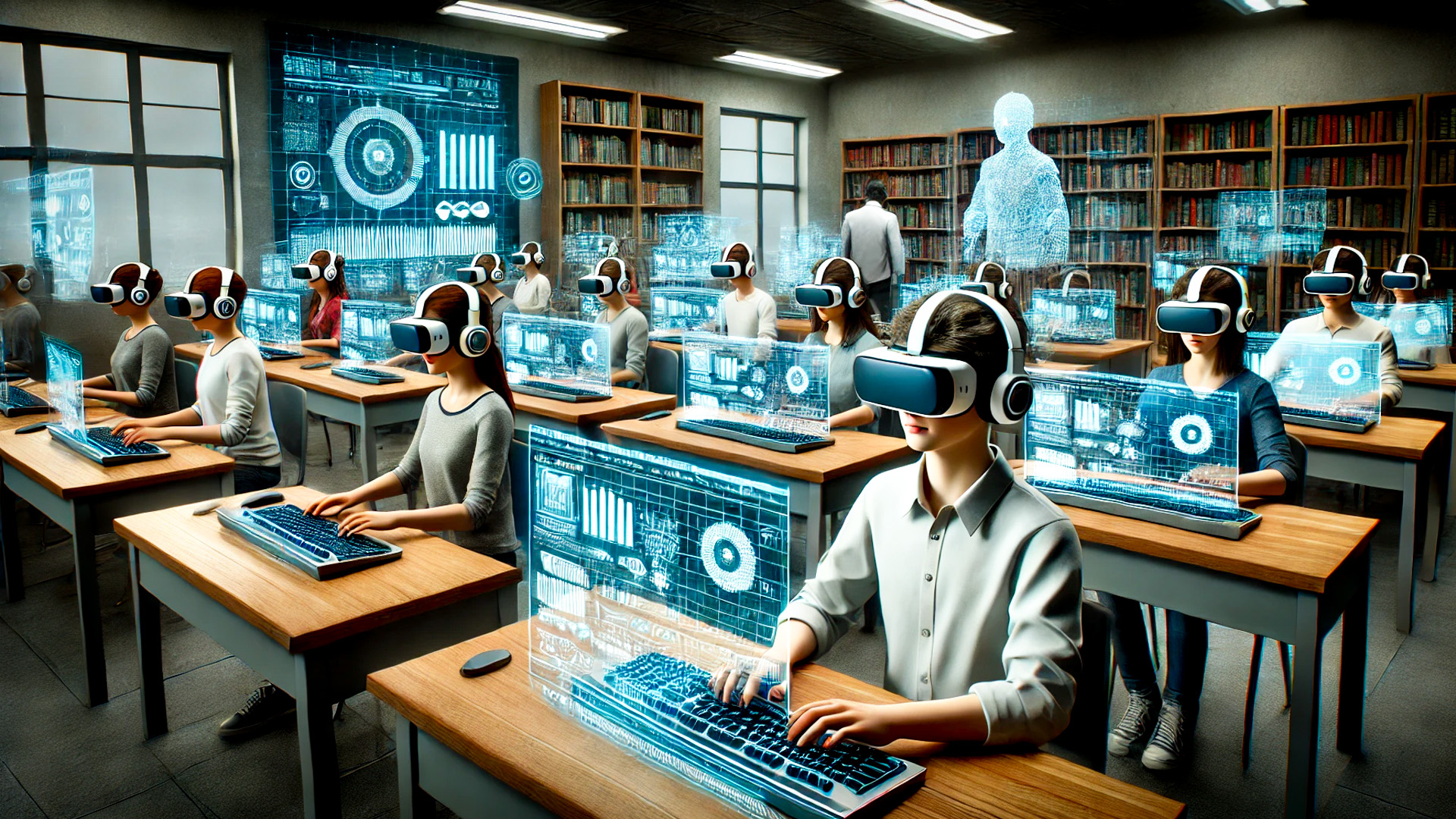
The Role of VR in Personalized Education
Virtual Reality (VR) is paving the way for a new era of personalized education, offering a level of customization that was previously unattainable. By tailoring VR experiences to suit individual learning styles and needs, educators can deliver instruction that is finely tuned to each student's unique requirements. For instance, a VR program can adjust its difficulty based on a learner’s progress, ensuring that the material remains challenging yet within reach, thus maximizing each student's potential.
The integration of adaptive learning technologies with VR further enhances this personalization. These technologies continuously analyze students’ performance and adjust the content in real-time. For example, in a VR-based math program, if a student struggles with a particular concept, the system can provide additional practice and explanations tailored to their specific difficulties within the virtual environment. This dynamic adjustment helps ensure that students receive the support they need precisely when they need it.
Several real-world examples demonstrate the effectiveness of personalized VR education. In language learning, VR applications create immersive environments where users can practice speaking and listening in various contexts tailored to their proficiency level. This immersive approach not only helps students improve their language skills but also keeps them engaged and motivated. By providing experiences that align with individual learning preferences and speeds, personalized VR programs make the educational process more effective and enjoyable, leading to better learning outcomes and a more satisfying educational experience.
Measuring the Impact: Effectiveness and Outcomes
Evaluating the effectiveness of Virtual Reality (VR) in education involves examining learning outcomes and retention rates. Research indicates that VR-enhanced education often results in higher engagement and improved retention compared to traditional teaching methods. The immersive nature of VR provides experiential learning opportunities that strengthen memory and understanding by allowing students to interact with and experience the material in a virtual environment.
When comparing VR to conventional educational methods, several distinct advantages emerge. Traditional teaching approaches, which often rely heavily on lectures and textbooks, may lack the interactive element crucial for deep, meaningful learning. VR, on the other hand, offers a multisensory experience that can make learning more vivid and memorable. By engaging multiple senses and allowing for hands-on interaction, VR helps students grasp complex concepts more effectively.
Feedback from both educators and students supports these findings. Educators report that VR enhances student engagement and enthusiasm, making learning more dynamic and enjoyable. Students, in turn, often find that VR improves their comprehension and retention of challenging subjects, as the immersive experience helps solidify their understanding. Overall, the evidence suggests that VR not only makes the learning process more engaging but also contributes to better educational outcomes by facilitating deeper learning and enhanced memory retention.

Challenges and Considerations in VR Education
While Virtual Reality (VR) holds significant promise for transforming education, several challenges must be addressed to realize its full potential. One major hurdle is the technological and financial barriers associated with VR adoption. The high cost of VR hardware, along with the need for sophisticated technical infrastructure, can be prohibitive for underfunded schools and institutions. This financial strain can limit access to VR technology and create disparities in educational opportunities.
Another critical concern is ensuring the quality and educational value of VR content. Not all VR applications are created with the same level of pedagogical rigor, and some may fail to meet educational standards or effectively support learning objectives. It is crucial to develop and rigorously evaluate VR content to ensure it is not only engaging but also aligns with educational goals and contributes positively to the learning experience.
Privacy and data security represent additional challenges in VR environments. As VR applications collect detailed data on users’ interactions and performance, protecting this information from unauthorized access is essential. Educators and developers must prioritize robust data protection measures to maintain user trust and comply with privacy regulations. Ensuring that VR systems handle personal data responsibly is vital for safeguarding users’ privacy and upholding ethical standards in educational technology.
Addressing these challenges requires a collaborative effort among educators, developers, and policymakers to ensure that VR can be integrated into education in a way that is equitable, effective, and secure.
The Future of VR in Education and Training
The future of Virtual Reality (VR) in education and training is poised for remarkable advancements and innovation. As VR technology evolves, we can expect increasingly immersive and interactive experiences, driven by enhancements in graphics, haptic feedback, and spatial audio. These improvements will make virtual environments more realistic and engaging, enriching both educational and training settings.
Looking ahead, the integration of VR with other cutting-edge technologies such as Artificial Intelligence (AI) and Augmented Reality (AR) is likely to become more prevalent. AI can provide adaptive learning experiences by analyzing student performance and adjusting content in real time, while AR can overlay digital information onto the physical world, offering blended learning experiences. This convergence will enable more dynamic and personalized learning environments, tailored to the specific needs and preferences of students and professionals.
As VR technology continues to advance, it has the potential to profoundly shape the future of education and training. By offering immersive, interactive, and highly customized learning experiences, VR is set to transform traditional educational paradigms and skill development practices. The ability to simulate real-world scenarios and provide hands-on practice in a virtual space will enhance how knowledge is acquired and skills are honed, positioning VR as a central element in the evolution of modern education and professional training.
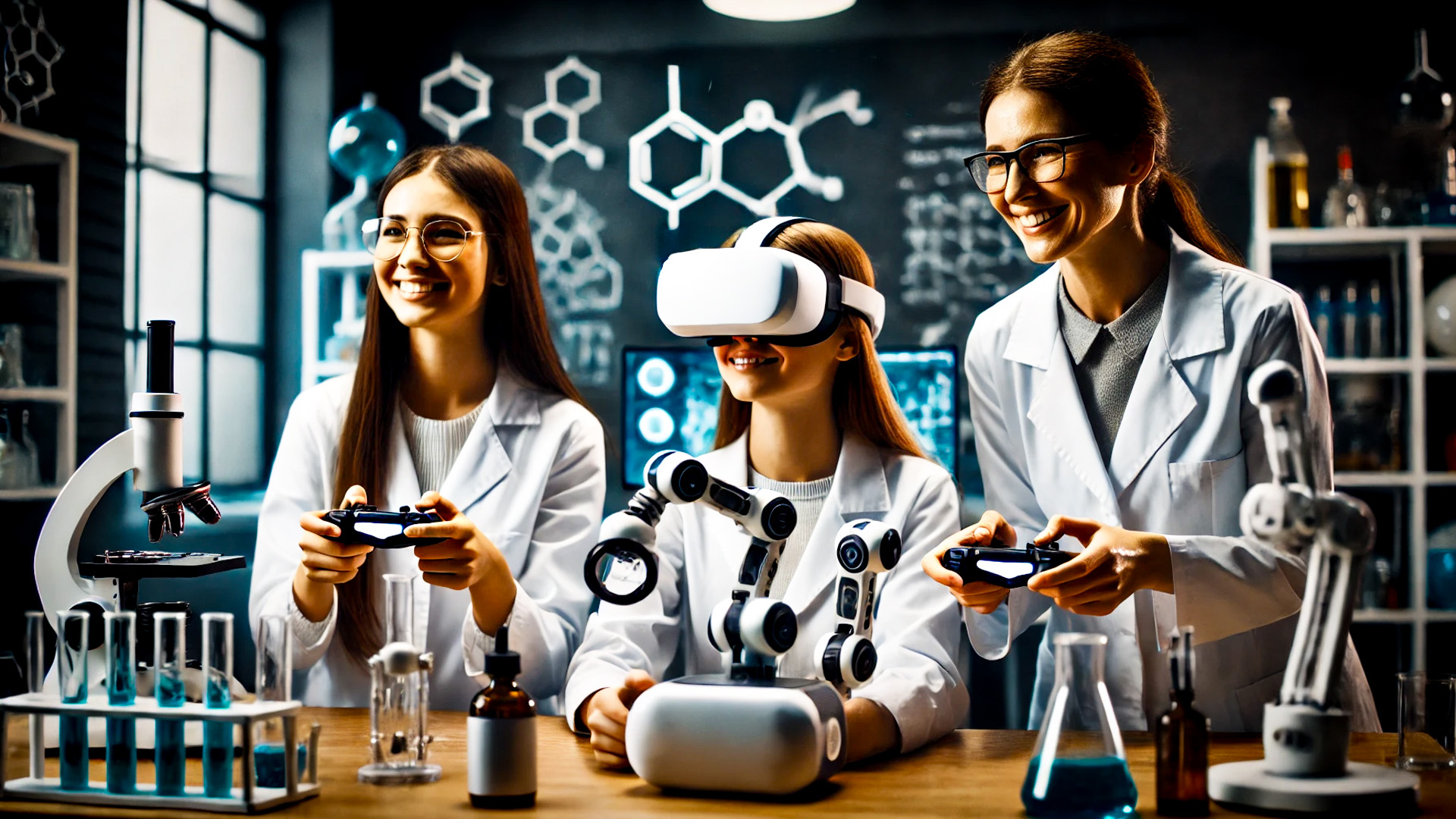
Embracing the VR Revolution in Education
The transformative impact of Virtual Reality (VR) on education and training is clear and compelling. By delivering immersive and interactive experiences, VR significantly enhances learning outcomes, broadens accessibility, and revolutionizes skill development. Its ability to create realistic simulations and engaging environments offers a new dimension to education that traditional methods cannot match.
Encouraging the adoption of VR in educational settings is essential to fully realize its potential. As more institutions and organizations explore the capabilities of VR, the technology will continue to advance, bringing even greater benefits. Embracing VR means investing in a future where educational experiences are more engaging, effective, and tailored to individual needs.
The long-term advantages of VR for both learners and educators promise a more dynamic and impactful approach to education and training. By integrating VR into the learning process, we can look forward to a future where educational experiences are not only more immersive and interactive but also more accessible and adaptive to the evolving needs of learners.
Author: Elisha Roodt
Delivering expert insights into virtual reality, 360° production, and the immersive technological evolution across South Africa.