
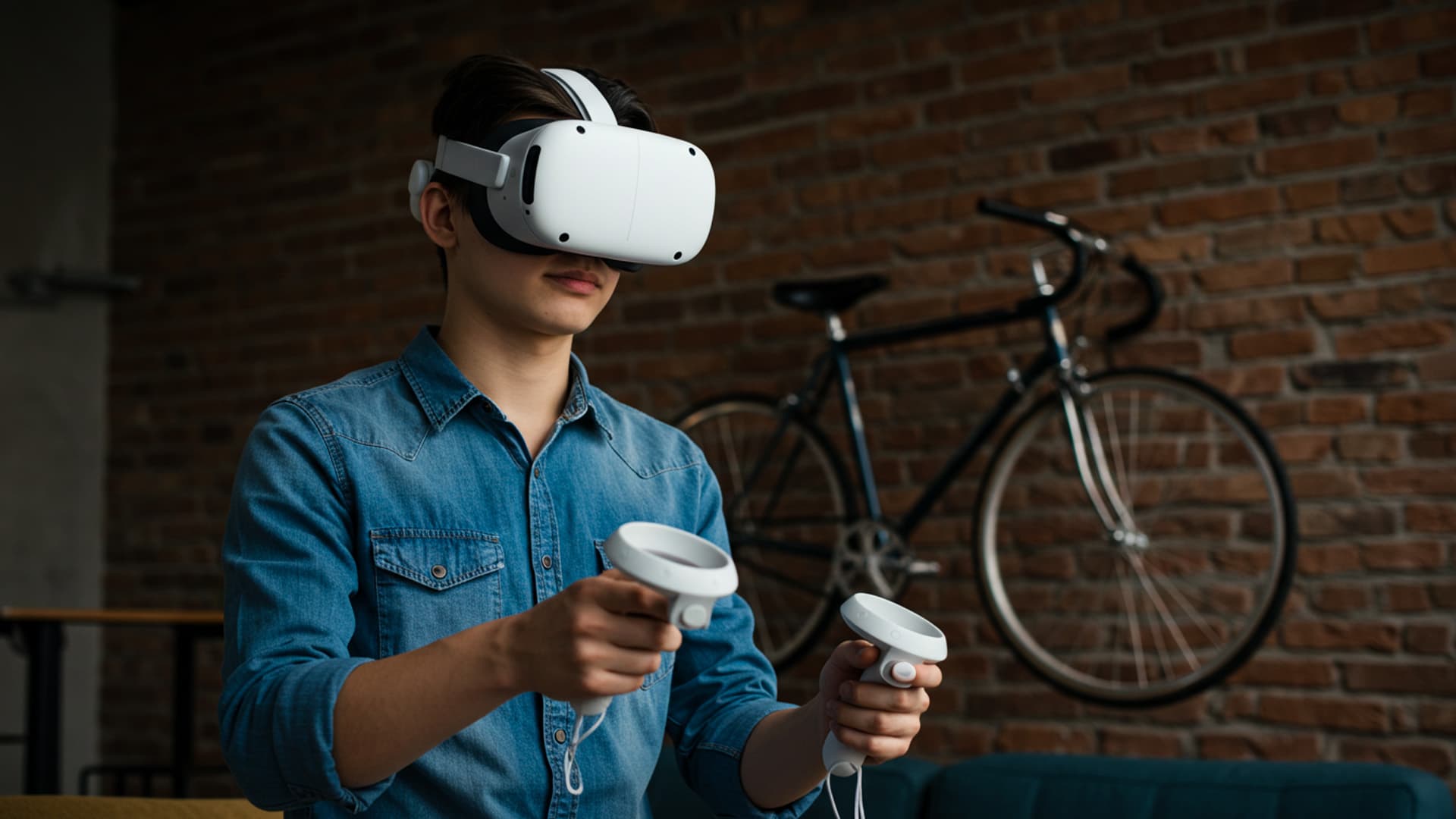
Revolutionizing Accessibility with VR
A New Frontier in Accessibility Through Virtual Reality Virtual Reality (VR) is transforming how we experience the world, dismantling long-held...
A New Frontier in Accessibility Through Virtual Reality
Virtual Reality (VR) is transforming how we experience the world, dismantling long-held barriers and redefining what it means to interact with our environment. As technology evolves, VR is paving the way for unprecedented accessibility, creating opportunities for individuals with diverse abilities to participate fully in society. By melding immersive technology with assistive innovation, VR offers both tangible and imaginative solutions that enable users to explore environments, build skills, and connect with communities in ways that were once thought impossible.
Innovative Applications of VR in Accessibility
Enhancing Mobility for Physical Disabilities
In many instances, VR serves as a portal that transforms physical challenges into manageable tasks. Individuals with limited mobility can now traverse digital landscapes that mirror real-world scenarios, allowing them to practice movements and daily tasks within safe, controlled environments. This technological bridge facilitates physical rehabilitation and builds confidence, as users simulate activities that might otherwise be inaccessible. By engaging in virtual environments, patients experience a form of kinetic therapy that complements traditional rehabilitation methods. The intricate design of these VR experiences prioritizes realistic motion capture and haptic feedback, ensuring that the simulated movements are both accurate and beneficial.
Consider a scenario where a person recovering from an injury explores a virtual park, maneuvering through paths and obstacles that mimic real-life terrain. The VR system tracks each movement, providing corrective feedback and gradual progression toward physical autonomy. Through such immersive exercises, users learn to overcome limitations and build strength without the immediate risks associated with physical practice. This innovative application of VR is akin to having a personal coach who tailors each session to the user’s unique physical needs, ultimately making the world more accessible and encouraging a return to everyday activities with newfound assurance.
Overcoming Sensory Barriers
For individuals with visual or auditory impairments, VR offers a remarkable reimagining of sensory experiences. Advanced VR platforms integrate adaptive technologies such as audio descriptions, haptic cues, and customizable visual contrasts to ensure every detail is accessible. The synergy between technology and creative design crafts an environment where sensory limitations are addressed through thoughtful interfaces and interactive modalities. These innovations extend beyond simple enhancements; they fundamentally transform how users perceive their surroundings, enabling a more inclusive experience that bridges the sensory gap. As these systems evolve, the boundaries between impaired and enhanced senses blur, opening avenues for unprecedented engagement with virtual worlds.
Imagine a user with limited vision stepping into a virtual art gallery where each piece is accompanied by dynamic audio narratives and tactile feedback. The experience becomes a rich tapestry of multisensory input, blending sound, touch, and visual elements into a cohesive narrative that defies traditional limitations. This innovative melding of sensory cues fosters an immersive encounter where art and technology coalesce. By providing adjustable interfaces and personalized settings, VR empowers users to tailor experiences to their sensory preferences, ensuring that every detail is both accessible and engaging. In this way, VR is not merely a tool but a transformative medium that democratizes access to visual and auditory art forms.
Bridging Cognitive Gaps with Immersive Solutions
Cognitive challenges can impede everyday learning and interaction, but VR has emerged as a potent tool to bridge these gaps. Through immersive storytelling and interactive problem-solving scenarios, VR stimulates the mind and encourages cognitive flexibility. Customized simulations allow users to engage in activities that target memory enhancement, critical thinking, and decision-making skills. These digital experiences, designed with neuroplasticity in mind, offer repeated practice in a safe and adaptive environment. In many ways, VR operates as an extension of traditional educational methodologies, enriched by interactivity and sensory engagement that conventional methods often lack.
Envision a young learner with cognitive difficulties stepping into a VR classroom where abstract concepts become tangible through interactive exhibits and gamified lessons. In this setting, mathematical problems transform into visual puzzles, and history lessons evolve into time-travel adventures. This immersive strategy creates a dynamic learning environment where each challenge is met with tailored support and engaging narratives. The immersive nature of VR stimulates curiosity and active participation, driving users to explore ideas in a hands-on manner. By merging technology with educational best practices, VR is setting a new standard for cognitive inclusivity, ensuring that learning is an accessible and rewarding journey for all.
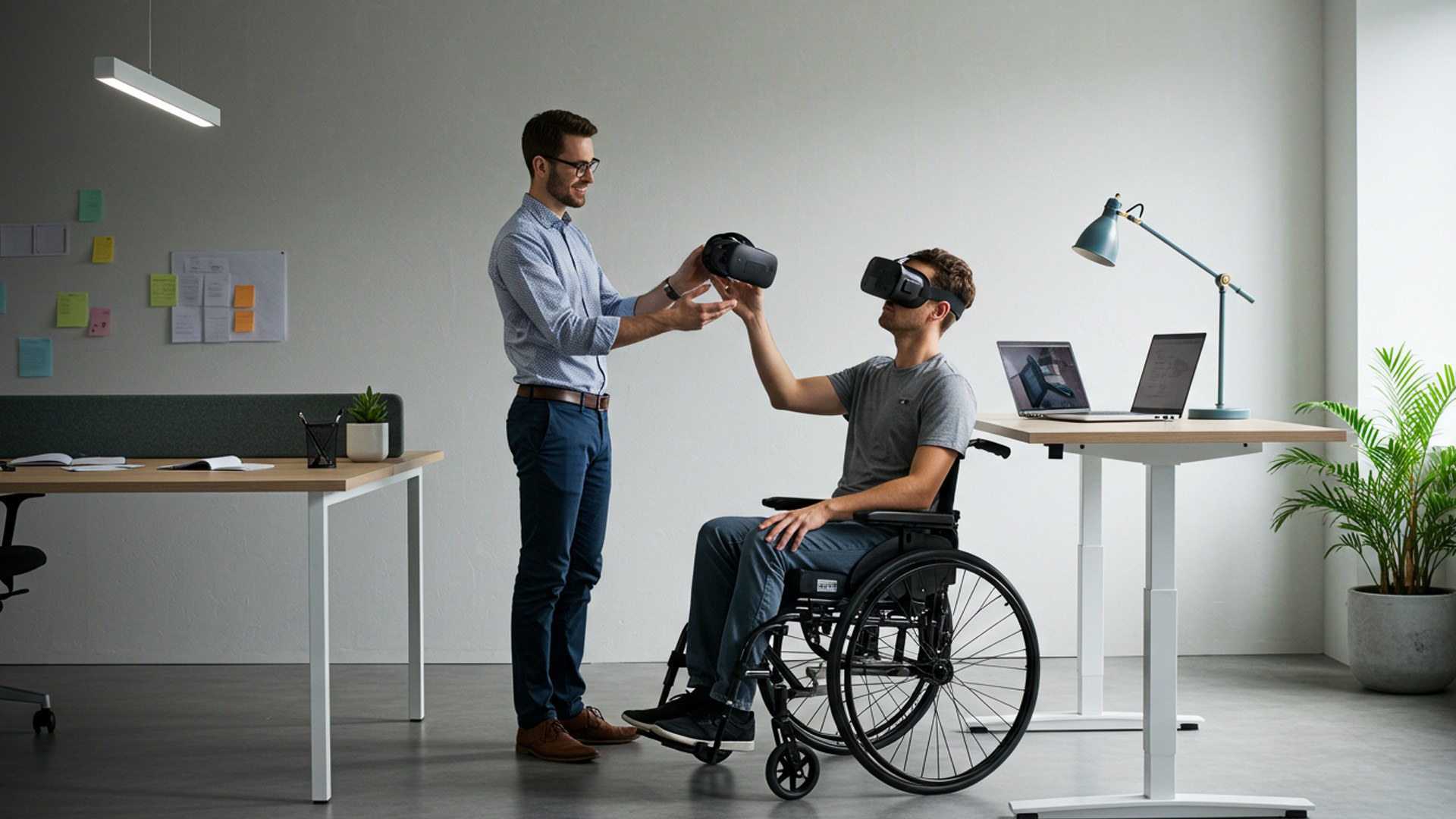
Technological Advancements and VR Integration
Cutting-edge Hardware and Software Innovations
Modern VR technology thrives on the constant evolution of both hardware and software, working in tandem to redefine accessibility. Recent advancements in motion tracking, eye-tracking, and tactile feedback have elevated the immersive quality of VR experiences. On the software side, algorithms that adapt in real time to user inputs create environments that are not only interactive but also highly responsive to individual needs. This synergy between state-of-the-art hardware and dynamic software platforms transforms VR into a versatile tool that caters to the diverse requirements of its users. The result is an ecosystem where technology and humanity converge, making digital experiences as intuitive as they are innovative.
Picture a VR setup that uses a lightweight headset equipped with high-resolution displays and integrated sensors capable of tracking subtle facial expressions and eye movements. Such hardware, combined with advanced software that personalizes content in real time, can adjust brightness, contrast, and interactive elements on the fly. This dynamic interplay ensures that every user, regardless of physical or sensory limitations, experiences a seamless and adaptive environment. In this context, VR is not just a technological marvel but a facilitator of greater inclusion, where cutting-edge developments enable even the most complex accessibility requirements to be met. The continuous integration of new technologies propels VR into a realm where digital and physical boundaries dissolve, fostering a world that is more accessible than ever before.
Seamless Integration with Assistive Technologies
The marriage of VR with assistive technologies is transforming the way accessibility challenges are addressed across various domains. By incorporating adaptive controllers, speech recognition software, and eye-tracking devices, VR platforms are customized to meet the individual needs of users. These integrations provide a more fluid and responsive user interface that caters to diverse abilities and preferences. The combined power of VR and assistive technologies offers a multi-layered approach to accessibility that is both innovative and deeply empathetic. In this environment, technology is not an end in itself but a means to unlock potential and break down longstanding barriers, ensuring that digital experiences are accessible to all.
Imagine a scenario in which a user with limited motor control utilizes a voice-activated VR system to navigate complex virtual environments. The seamless integration of voice commands with adaptive controllers and gesture recognition allows for a level of interaction that mimics natural communication. This harmonious blend of technologies creates an ecosystem where every action is intuitive and every interface is personalized. By bridging the gap between advanced VR systems and everyday assistive devices, developers are crafting a digital world that recognizes and adapts to individual abilities. The resulting experiences are not only engaging but also deeply transformative, offering a model of accessibility that is as inclusive as it is innovative.
The Evolution of User-Centric VR Design
User-centric design lies at the heart of modern VR development, emphasizing the importance of personalized experiences that address the unique challenges faced by individuals. This evolution in design philosophy is driven by extensive user research and iterative testing, ensuring that every element of the virtual environment is optimized for accessibility. By focusing on the user first, developers can craft interfaces that are intuitive, adaptive, and remarkably empathetic. This approach incorporates feedback loops, where user experiences inform ongoing design improvements, leading to systems that continuously evolve to meet real-world demands. The result is a digital ecosystem that prioritizes ease of use and ensures that accessibility is built into every layer of the VR experience.
Consider a VR application designed for individuals with diverse cognitive abilities that offers adjustable settings for speed, complexity, and interactivity. Through extensive collaboration with users, developers have created a system that is not only technically robust but also intuitively designed. The platform’s interface can be customized to match a user’s preferred method of interaction, whether that involves voice commands, gesture controls, or traditional inputs. This iterative process of design and refinement ensures that the VR experience remains relevant and accessible as technology evolves. In many ways, the evolution of user-centric design in VR represents a paradigm shift where empathy and innovation converge, ultimately creating digital spaces that are as welcoming as they are groundbreaking.
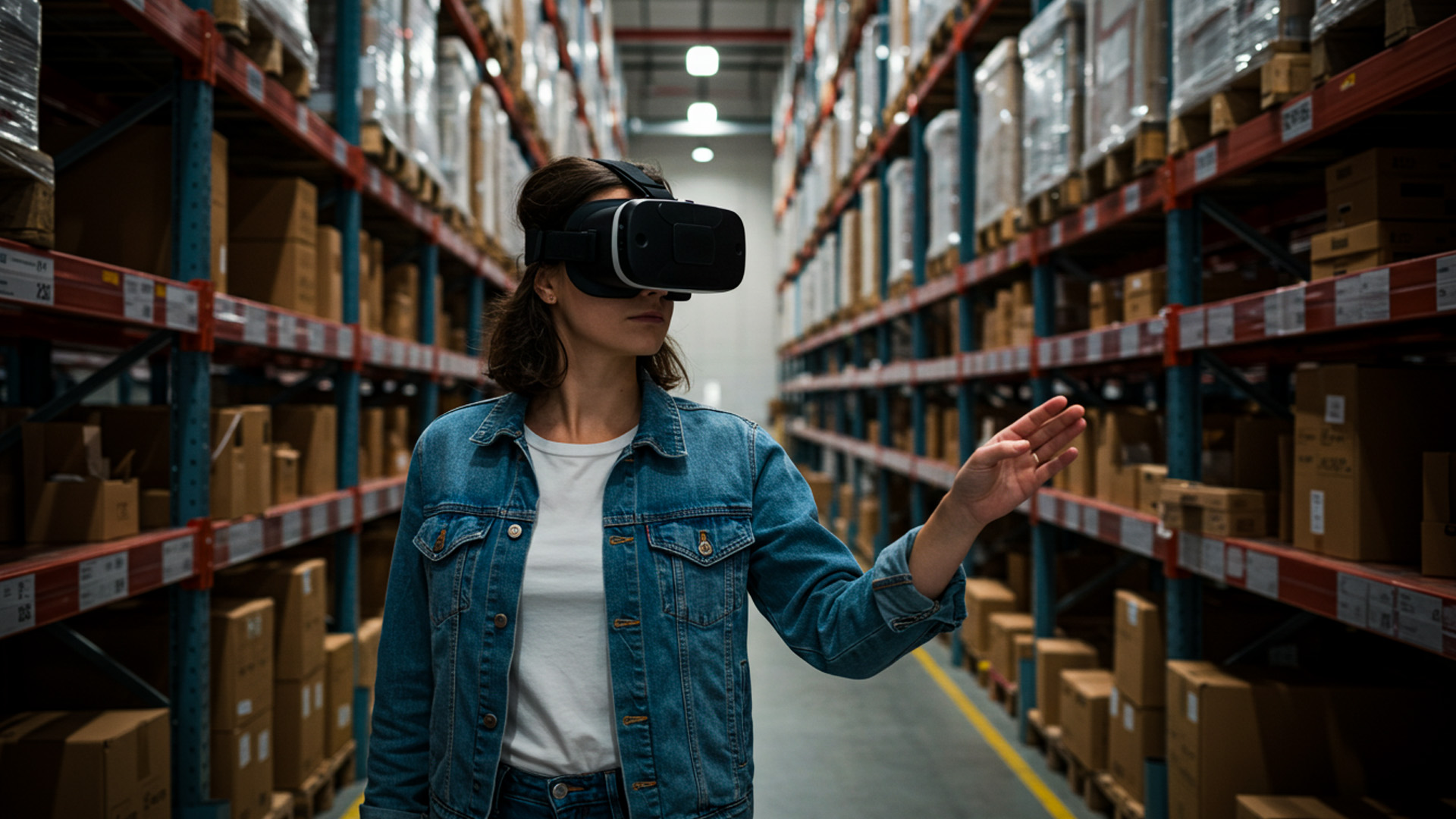
Transforming Everyday Life through Virtual Reality
Virtual Workspaces and Inclusive Collaboration
Virtual workspaces are emerging as a critical component of modern collaboration, particularly for individuals who face traditional workplace barriers. These immersive environments leverage VR to simulate real-world office settings, complete with interactive meeting rooms and collaborative tools. By doing so, they offer an inclusive platform where every participant can contribute without the constraints of physical limitations. Users can navigate these digital offices with intuitive controls and personalized interfaces that cater to a wide range of abilities. The digital workspace acts as a catalyst for creativity, productivity, and connection, providing a level playing field for remote workers and individuals with disabilities alike. This evolution in workplace design represents a profound shift in how we think about collaboration and accessibility in professional settings.
Imagine a multinational team meeting where each participant joins a virtual conference room designed to minimize distractions and optimize focus. A colleague with mobility challenges seamlessly navigates through the digital interface, contributing ideas through a combination of voice and gesture controls. The meeting flows as naturally as an in-person conversation, yet it benefits from the enhanced accessibility features that VR offers. These digital workspaces break down traditional barriers, fostering an environment where ideas can be shared freely and innovation thrives. By enabling real-time collaboration and reducing the constraints of physical presence, VR is revolutionizing how work is conducted, creating opportunities for a more diverse and inclusive professional landscape.
Revolutionizing Education and Training
VR is redefining educational paradigms by transforming conventional learning methods into immersive, interactive experiences. In virtual classrooms, learners are not passive recipients of information; they actively participate in dynamic scenarios that enhance comprehension and retention. These educational environments leverage interactive modules, gamified lessons, and real-time feedback to create a rich tapestry of learning experiences that cater to diverse learning styles. By simulating real-life scenarios, VR allows users to experiment, fail safely, and learn at their own pace. This approach nurtures curiosity and critical thinking, making education more accessible and engaging for individuals with various cognitive and physical abilities.
Envision a classroom where students can explore historical events by virtually traveling to ancient civilizations or dissecting complex scientific phenomena through interactive simulations. In such environments, each learner’s pace is respected, and challenges are met with personalized assistance that adjusts to individual needs. The immersive quality of VR transforms abstract concepts into tangible experiences, thereby deepening understanding and stimulating intellectual curiosity. This evolution in educational technology not only democratizes access to quality learning but also empowers educators to craft lessons that are as inclusive as they are inspiring. In effect, VR is cultivating a generation of learners who are better equipped to navigate an increasingly complex world with creativity and confidence.
Social Interaction and Community Building in VR
VR is fostering a new era of social interaction, where digital communities transcend geographical and physical boundaries to create inclusive spaces for connection and collaboration. In these immersive environments, users can participate in social events, cultural experiences, and community gatherings that feel as authentic as those in the physical world. The technology offers a canvas for creativity and interaction, where individuals with disabilities or unique challenges can engage in social activities on equal footing with others. These virtual spaces are designed to be highly customizable, ensuring that every user can tailor their social interactions to suit personal comfort and accessibility needs. As a result, VR is not only connecting people but also cultivating communities that are empathetic, diverse, and innovative.
Picture a vibrant virtual festival where individuals from around the world gather to celebrate art, music, and culture. In this digital landscape, a person with hearing impairments might rely on real-time captioning and sign language avatars, while another with mobility constraints navigates the space effortlessly through adaptive controls. The immersive nature of the experience fosters genuine interactions and sparks spontaneous collaborations that might never occur in conventional settings. The design of these virtual communities emphasizes inclusivity and empathy, ensuring that every member feels valued and heard. By transforming the way we interact socially, VR is paving the way for a more connected and accessible global community, where technology bridges the gaps that once divided us.

Transforming Everyday Life Through Virtual Reality
Author: Elisha Roodt
Delivering expert insights into virtual reality, 360° production, and the immersive technological evolution across South Africa.