
The Impact of 5G on Virtual Reality
Setting the Stage for 5G and VR’s Revolutionary Union Virtual Reality (VR) has long been heralded as a transformative technology, promising...
Setting the Stage for 5G and VR’s Revolutionary Union
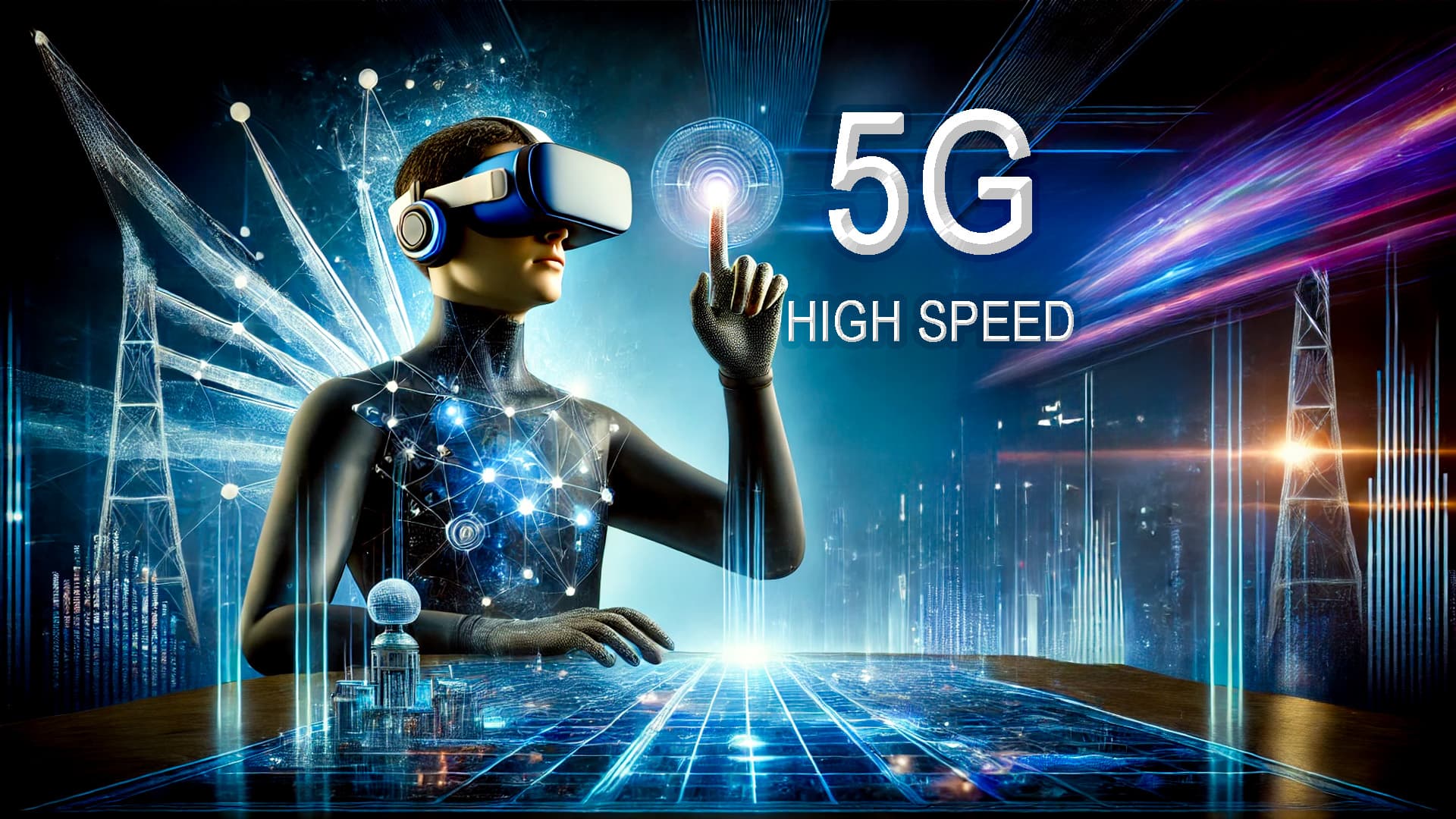
Virtual Reality (VR) has long been heralded as a transformative technology, promising immersive digital experiences that blur the line between the physical and virtual worlds. However, until recently, the full potential of VR has been held back by one key limitation—connectivity. Enter 5G, the next-generation wireless technology, which is set to revolutionize VR experiences by providing unprecedented speed, responsiveness, and bandwidth. The symbiosis between VR and 5G holds the potential to unlock real-time interaction in ways previously unimaginable, reshaping industries, entertainment, and personal interactions. As 5G continues its global rollout, the question is no longer if, but how this advanced network will redefine the VR landscape.
How 5G is Changing the Connectivity Landscape for Virtual Reality
The Leap from 4G to 5G: What Makes 5G Different
While 4G laid the groundwork for modern mobile communications, 5G represents a quantum leap in capability that fundamentally alters the mobile landscape. Offering download speeds that exceed 10 gigabits per second, 5G is designed to handle a staggering increase in device density, facilitating seamless connectivity for more users within a single network. This is particularly pivotal for virtual reality (VR) applications, which demand extensive data throughput for optimal performance. Where 4G struggled, primarily due to its limited capacity to manage high data volumes in real-time, 5G excels, enabling the massive data streams required for truly immersive experiences. This shift is not merely about achieving faster speeds; it signifies a comprehensive redefinition of how data is processed, transmitted, and experienced in virtual realms. The infrastructure improvements inherent in 5G technology allow for innovations that extend beyond user experience, influencing everything from smart cities to autonomous vehicles, thereby setting the stage for a new era of connectivity.
Lower Latency: Why Real-Time Response is Key for Immersive VR
One of the most transformative advancements in 5G technology is its ultra-low latency. Latency—the delay experienced between a user's action and the corresponding response in the VR environment—can significantly diminish the immersive quality of virtual experiences. Even a minimal delay of a few milliseconds can disrupt the user experience, causing dissonance between the physical actions and the virtual responses, which can lead to motion sickness or disengagement. With 5G, latency is drastically reduced to as little as 1 millisecond, making real-time interactions smoother, more responsive, and far more intuitive. This improvement is crucial not just for gaming but also for applications in virtual meetings, remote education, and even remote surgeries, where every microsecond is vital. The reduction in latency ensures that users can interact with their virtual environments as if they were physically present, creating a more compelling and believable experience.
Massive Bandwidth: Allowing VR Data to Flow Seamlessly
In addition to speed and reduced latency, 5G's immense bandwidth revolutionizes the handling of large data sets essential for VR applications. The creation of high-definition virtual environments requires vast amounts of data to render environments, objects, and movements in real-time. With 5G’s significantly increased bandwidth, multiple users can engage and interact within the same VR space without experiencing congestion, delays, or pixelation. This abundance of bandwidth empowers VR developers to push the boundaries of creativity, enabling the design of richer, more detailed, and dynamic worlds that were previously unimaginable on slower networks. Furthermore, this enhanced capability not only improves the quality of VR content but also facilitates collaborative experiences, where multiple users can share a virtual space and interact in real-time, making virtual reality not just a solitary endeavor but a shared experience.
Improving the VR Experience: From Lag to Real-Time Interaction
The End of Motion Sickness: How Faster Speeds Eliminate Lag-Induced Discomfort
Motion sickness has long been a significant challenge in the realm of virtual reality (VR), stemming from the disconnect between a user’s expectations and the visual feedback provided by the headset. This discomfort arises primarily from latency in data transmission, which can create a disjointed and uncomfortable user experience. When the brain receives conflicting signals—such as when visual movements do not match physical sensations—nausea can ensue. However, with the near-instantaneous speeds offered by 5G technology, the lag that typically triggers motion sickness is virtually eradicated. The faster speeds enable smoother transitions between movements, allowing users to navigate and explore intricate virtual environments without experiencing the nauseating side effects that have historically hampered VR engagement. This enhancement not only makes VR more accessible to a wider audience but also encourages longer sessions without discomfort, paving the way for applications in gaming, training simulations, and therapeutic environments where prolonged immersion is key.
Real-Time Feedback: Interactive Environments That Respond Instantly
In traditional VR setups, the feedback loop between a user’s actions and the environment’s responses is often hindered by the delays inherent in older network technologies. These delays can detract from the immersive quality of the experience, making interactions feel disconnected or sluggish. With 5G, this feedback loop becomes almost instantaneous, radically transforming the way users interact with virtual worlds. Whether users are manipulating objects, collaborating with others, or engaging in fast-paced gaming, the environment can now respond to their actions in real time. This capability fosters a profound sense of agency and immersion, allowing users to feel as though their movements and intentions are seamlessly mirrored in the virtual realm. Such responsiveness not only enhances individual experiences but also facilitates more complex interactions, making VR feel more like a natural extension of the physical world, rather than a separate, artificial construct.
Enhanced Multiplayer Experiences: Smoother, Real-Time Social VR Interactions
While multiplayer VR experiences have shown incredible potential, they have often been hampered by connectivity issues such as lag, jitter, and server delays, which can disrupt the flow of gameplay and social interaction. The introduction of 5G technology is revolutionizing this space by significantly reducing latency and providing high bandwidth, ensuring that multiple users can interact in shared virtual spaces without noticeable delays or technical hiccups. Imagine attending a virtual concert with friends, collaborating on a design project in a shared 3D space, or engaging in an adrenaline-fueled team sport—all within a smooth, responsive, and entirely immersive digital environment. With 5G, these next-generation social VR interactions are not only more lifelike but also more accessible than ever before. The enhanced capacity for real-time engagement encourages creativity and collaboration, allowing users to forge deeper connections and experiences in virtual environments that feel almost as real as the physical world.
Unlocking New Applications of VR in Industry and Education
Remote Collaboration: Bringing Teams Together in a Virtual Space
As businesses continue to globalize, the demand for effective remote collaboration has surged, transforming the way teams operate and communicate. 5G-powered virtual reality (VR) presents an innovative solution, allowing teams from different corners of the globe to meet, collaborate, and share ideas in real-time within immersive virtual environments. This technology goes beyond traditional methods of communication, such as video calls or cloud documents, by creating an interactive space where team members can engage with one another and their projects in a meaningful way. For instance, design teams can manipulate intricate 3D models together, providing instant feedback and fostering a more creative brainstorming process. Similarly, engineering groups can oversee and manage remote machinery, visualizing complex data in a way that enhances understanding and decision-making. This immersive collaboration not only improves productivity and teamwork but also bridges the gap between remote locations, making it feel as if everyone is working side by side, regardless of physical distance.
Revolutionizing Healthcare Training: Real-Time VR Simulations for Medical Professionals
The healthcare sector stands to gain immensely from the integration of 5G-enabled virtual reality, particularly in the training of medical professionals. With access to lifelike simulations that closely mirror real-world scenarios, healthcare providers can refine their skills in a safe and controlled environment. Picture a surgeon in training performing intricate procedures on virtual patients, receiving real-time feedback and guidance that adapts to their actions. This immediacy, facilitated by 5G’s ultra-low latency, ensures that the simulations are not only realistic but also responsive, enabling trainees to experience the nuances of high-pressure medical situations without the associated risks. This level of training fosters confidence and expertise, ultimately leading to improved patient outcomes and enhanced safety in real-life scenarios. As such, 5G is poised to redefine medical education, equipping future healthcare professionals with the tools they need to succeed.
Virtual Classrooms: Interactive Learning Environments Powered by 5G
Education is undergoing a profound transformation, and 5G-powered virtual reality is at the forefront of this digital revolution. Virtual classrooms allow students to engage with complex subjects in ways that traditional textbooks simply cannot offer. Imagine history lessons that transport students to ancient civilizations, where they can explore interactive environments and witness historical events as if they were present. In biology classes, learners can delve into the intricate inner workings of a cell, observing processes and interactions in a 3D space. The speed and responsiveness of 5G technology make these educational experiences not only interactive but also dynamic, fostering a deeper understanding of the material. This immersive approach to learning not only captures students’ attention but also promotes retention and comprehension, preparing them for a future where digital literacy is paramount. By integrating 5G-powered VR into education, institutions can create engaging and enriching learning environments that inspire curiosity and drive academic success.

VR Gaming and Entertainment with 5G
Next-Gen Gaming: How 5G is Reshaping the Multiplayer Experience
For gaming enthusiasts, the advent of 5G technology heralds a thrilling new frontier. The enhanced speed, drastically reduced latency, and high bandwidth capabilities of 5G networks ensure that multiplayer VR games can be played without the interruptions that once plagued online gaming. This leap in technology allows gamers to experience richer graphics, faster response times, and intricate storylines alongside players from around the globe—all in real-time. With 5G, the distinction between in-person and online gaming is increasingly blurred, as even the most ambitious gaming experiences become seamless and lifelike. Players can now engage in expansive, multiplayer worlds where every action is instantaneous, enhancing competitiveness and collaboration. This transformation not only elevates the gameplay but also creates a more connected and vibrant gaming community, where players can forge friendships and rivalries irrespective of geographical boundaries. The immersive potential of next-gen gaming is limitless, paving the way for innovative gameplay mechanics and storytelling techniques that redefine what it means to play video games.
Cloud VR: Streaming Immersive Content Without Heavy Hardware Requirements
The future of VR gaming and entertainment is moving toward a model that may not even require costly headsets or powerful computing systems. Thanks to the advancements brought by 5G, cloud-based VR is emerging as a viable option. This technology allows gamers and consumers to stream high-quality VR content directly from remote servers, eliminating the need for top-tier hardware that was once essential for immersive experiences. This shift democratizes access to virtual reality, making it more accessible to a broader audience, including those who may have previously been deterred by the high costs associated with VR equipment. By lowering the barriers imposed by expensive hardware and storage limitations, 5G enables a wider range of individuals to explore the potential of virtual environments, expanding the user base and fostering greater innovation within the industry. As cloud VR technology matures, it opens the door to diverse applications in gaming, education, and beyond, ensuring that everyone can partake in the immersive experiences that VR has to offer.
Real-Time Interaction in Virtual Worlds: Changing the Way We Consume Entertainment
The entertainment industry stands on the brink of a transformative evolution driven by 5G-powered virtual reality. Imagine attending live events—be it concerts, sporting matches, or theatrical performances—from the comfort of your home, yet feeling as though you are physically present. With 5G, users can immerse themselves in these virtual environments in real-time, interacting with other attendees, performers, or athletes, thus fostering a sense of community and participation that traditional media cannot offer. This new paradigm of entertainment shifts the focus from passive consumption to active engagement, allowing viewers to feel like participants in the events they love. The capability to interact with a virtual audience or join in on activities creates a dynamic social experience, making entertainment more engaging and memorable. As 5G technology continues to evolve, it is set to redefine the landscape of live entertainment, providing opportunities for unique, shared experiences that bridge the gap between the digital and physical realms, ultimately enriching our cultural experiences in unprecedented ways.
The Role of Edge Computing and 5G in Enhancing VR Performance
Offloading Data Processing: How Edge Computing Reduces VR Device Strain
One of the most significant innovations made possible by 5G technology is the integration of edge computing, which allows data processing to occur much closer to the user. In the context of virtual reality (VR), this means that the heavy computational tasks traditionally handled by the device itself can be offloaded to nearby servers, significantly reducing the strain on VR headsets and mobile devices. As a result, users can enjoy more complex and graphically intensive experiences without the necessity for bulky and cumbersome hardware. This shift not only enhances the performance of VR applications but also paves the way for more sophisticated experiences, such as ultra-high-definition graphics and expansive virtual environments. By minimizing the workload on individual devices, edge computing enables developers to create richer, more immersive content that can run smoothly on a variety of platforms, broadening the appeal of VR technology and making it more accessible to users worldwide.
Near-Zero Latency: Bringing the Cloud Closer to VR Users
The combination of edge computing and 5G networks leads to a significant reduction in latency, achieving near-zero response times for users. By positioning data and computing resources closer to the end user, the responsiveness of VR environments is drastically improved, making interactions feel more intuitive and lifelike. This proximity eliminates the frustrating delays that can hinder user experience, allowing for more detailed and data-rich environments where actions and feedback are virtually instantaneous. Users can engage with complex virtual worlds, manipulate objects, and interact with other participants without experiencing the lag associated with distant cloud servers. The ability to respond rapidly to user actions enhances immersion and allows for the creation of dynamic, interactive experiences that can adapt in real time, fostering deeper engagement and satisfaction for VR users.
Enabling More Lightweight VR Devices: The Future of Mobile VR
As 5G technology and edge computing continue to evolve, the need for powerful, expensive VR headsets is likely to diminish. The future of virtual reality may rest in the development of lightweight, mobile devices that connect seamlessly to robust cloud servers through high-speed 5G networks. These next-generation devices will be less cumbersome, more affordable, and highly portable, empowering users to take their VR experiences anywhere without being tethered by the limitations of current hardware. This shift toward lightweight VR technology not only enhances user mobility but also democratizes access to virtual reality, enabling a broader audience to explore and engage with immersive content. As a result, VR could become an integral part of everyday life, with applications spanning gaming, education, training, and social interactions, all facilitated by the powerful combination of edge computing and 5G networks. The implications for both users and developers are profound, promising a future where VR experiences are more accessible, enjoyable, and diverse than ever before.

Challenges and Future Outlook for 5G-Driven VR
Overcoming Infrastructure Gaps: Bringing 5G to Underserved Regions
While 5G technology holds transformative potential for virtual reality (VR), the benefits will not be distributed equally across the globe—at least not in the immediate future. Many regions, particularly rural and underserved areas, still lack the necessary infrastructure to support widespread 5G deployment. This disparity can exacerbate existing digital divides, leaving certain populations without access to the cutting-edge experiences that 5G-enabled VR offers. Bridging these infrastructure gaps is crucial for ensuring that the revolutionary power of 5G-driven VR reaches all corners of the globe. By investing in the development of robust telecommunications infrastructure, stakeholders can democratize access to this technology, fostering inclusivity and equity in the digital age. Efforts must focus not only on urban centers but also on rural communities, ensuring that everyone, regardless of location, can participate in the virtual revolution. Such initiatives will enable a broader range of users to harness the benefits of 5G, from enhanced educational opportunities to new avenues for social interaction and economic development.
Addressing Security Concerns in a More Connected VR World
With the promise of greater connectivity through 5G comes a heightened responsibility to address security concerns in the VR landscape. As 5G networks become increasingly integrated into our daily lives, issues surrounding privacy, data protection, and the potential for cyber-attacks will become even more pressing. Ensuring the safety and security of users within immersive environments will require robust encryption methods, advanced security protocols, and a proactive approach to cyber defense. Developers must prioritize user privacy by implementing measures that safeguard personal data, while also educating users on best practices for maintaining security in VR spaces. Additionally, collaboration between tech companies, governments, and security experts will be essential to establish comprehensive frameworks that protect users and foster trust in these new technologies. By addressing these security concerns, we can create a safer and more secure VR ecosystem that encourages widespread adoption and engagement.
What’s Next? The Potential of 6G and Beyond for the Future of Virtual Reality
Looking to the future, the possibilities presented by 6G technology are already beginning to take shape, promising to revolutionize the VR experience even further. Although still in its infancy, 6G is expected to deliver even faster speeds, greater connectivity, and more immersive virtual experiences than we can currently imagine. As the capabilities of VR evolve, the fusion of 6G with emerging technologies such as artificial intelligence and advanced robotics will likely usher in transformative new ways for humans to interact with the digital world. This could lead to groundbreaking applications in various fields, from education and healthcare to entertainment and remote work. The integration of 6G will push the boundaries of what is possible in VR, allowing for ultra-realistic simulations, seamless interactions, and entirely new realms of creativity and expression.
The Road Ahead for 5G and Virtual Reality
The arrival of 5G marks a pivotal turning point in the realm of virtual reality, fundamentally changing not just how we experience VR but also how we engage with each other, learn, work, and entertain ourselves within these digital environments. As 5G technology matures, we can anticipate a future where the boundary between the virtual and physical worlds blurs even further. This evolution will open up new frontiers for real-time interaction and digital immersion, transforming experiences that once seemed confined to the realm of science fiction into reality. The journey ahead is filled with possibilities, as developers and users alike explore the potential of VR powered by 5G and beyond. This convergence of technology will not only enhance personal experiences but also reshape industries and communities, paving the way for a more interconnected, innovative, and immersive digital landscape.

The Road Ahead For 5g And Virtual Reality
Author: Elisha Roodt
Delivering expert insights into virtual reality, 360° production, and the immersive technological evolution across South Africa.