
The Impact of Virtual Reality on the Gaming Industry
The gaming industry has always been at the forefront of technological advancements, constantly pushing the boundaries of what is possible in...
The gaming industry has always been at the forefront of technological advancements, constantly pushing the boundaries of what is possible in interactive entertainment. One of the most significant developments in recent years has been the advent of virtual reality (VR). This technology is transforming the way games are played, offering unprecedented levels of immersion and interactivity. In this blog, we will explore the profound impact of VR on the gaming industry and how it is revolutionizing gaming experiences.
The Rise of Virtual Reality in Gaming
Virtual reality is not a new concept; it has been a part of science fiction for decades. However, it is only in recent years that the technology has advanced enough to make VR gaming a practical reality. The launch of VR headsets such as the Oculus Rift, HTC Vive, and PlayStation VR marked the beginning of a new era in gaming. These devices, coupled with powerful computers and consoles, allowed gamers to step into virtual worlds like never before.
Immersive Experiences Redefined
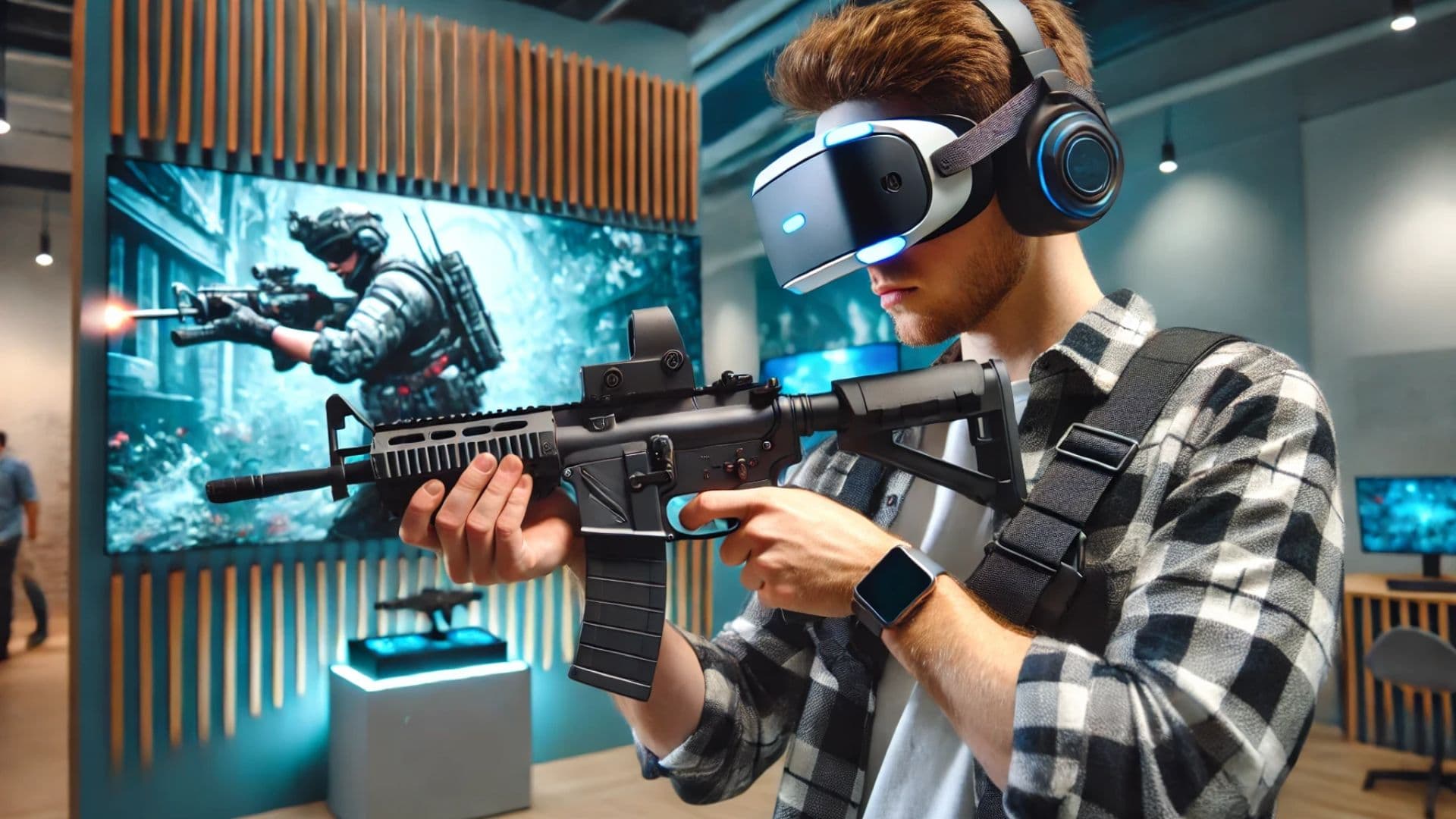
One of the most significant impacts of VR on gaming is the level of immersion it offers. Traditional gaming, even with the most advanced graphics and sound, can only go so far in creating a sense of presence. VR changes this by placing the player directly inside the game world. With a VR headset, players can look around and interact with their environment in a way that feels natural and intuitive. This level of immersion is unparalleled and fundamentally changes how games are experienced.
In a VR game, the player's perspective shifts from a third-person or fixed viewpoint to a first-person, 360-degree experience. This creates a sense of being physically present in the game world, which is a significant departure from traditional gaming. For example, in a VR shooter, players can physically duck behind cover, aim with their hands, and even peek around corners. This level of interaction is impossible to replicate with a standard controller or keyboard and mouse setup.

Enhanced Interactivity and Gameplay Mechanics
VR not only enhances immersion but also revolutionizes gameplay mechanics. The technology opens up new possibilities for game design that were previously unimaginable. Developers can create unique and innovative gameplay experiences that leverage the strengths of VR.
One of the most notable examples of this is the use of motion controls. VR headsets often come with motion-tracked controllers that allow players to use their hands in the virtual world. This enables a wide range of interactions, from picking up objects to swinging swords or casting spells. Games like "Beat Saber," where players use lightsabers to slash through musical notes, or "Half-Life: Alyx," which incorporates intricate hand-based puzzles and combat, showcase how motion controls can add depth and engagement to gameplay.
Another area where VR excels is in creating physical experiences that require real-world movements. Fitness games like "Supernatural" and "BoxVR" turn exercise into a fun and engaging activity by immersing players in virtual environments where they can box, dance, and stretch to their heart's content. These games demonstrate how VR can blur the line between gaming and physical activity, promoting a healthier lifestyle while providing entertainment.
Social VR: Connecting Players in New Ways
VR is not just about solitary experiences; it also has the potential to bring people together in ways that traditional gaming cannot. Social VR platforms like "Rec Room," "VRChat," and "AltspaceVR" allow players to interact with each other in virtual spaces. These platforms create virtual communities where people can meet, socialize, and play games together.
In social VR, players are represented by avatars that can move, talk, and express emotions. This creates a sense of presence and connection that is much stronger than in traditional online multiplayer games. Players can engage in activities like playing mini-games, attending virtual events, or simply hanging out in virtual worlds. This social aspect of VR adds a new dimension to gaming, making it a more interactive and communal experience.

Challenges and Opportunities for Developers
While the impact of VR on gaming is undeniably transformative, it also presents unique challenges and opportunities for developers. Creating VR games requires a different approach to design and development compared to traditional games. Developers need to consider factors such as motion sickness, comfort, and the physicality of VR interactions.
Motion sickness is a common issue in VR, caused by a disconnect between what the player sees and their body's sense of movement. To mitigate this, developers need to design smooth and intuitive movement systems. Techniques such as teleportation and snap-turning are often used to reduce the risk of motion sickness. Additionally, ensuring that players have a comfortable experience is crucial, as VR headsets can be physically demanding to wear for extended periods.
VR opens up new creative possibilities for developers. The ability to create immersive worlds and innovative gameplay mechanics allows for a fresh and exciting approach to game design. Developers can experiment with new genres and experiences that leverage the strengths of VR. For instance, horror games like "Resident Evil 7: Biohazard" and "The Exorcist: Legion VR" use VR to create truly terrifying experiences that heighten the sense of fear and tension.
The Future of VR in Gaming
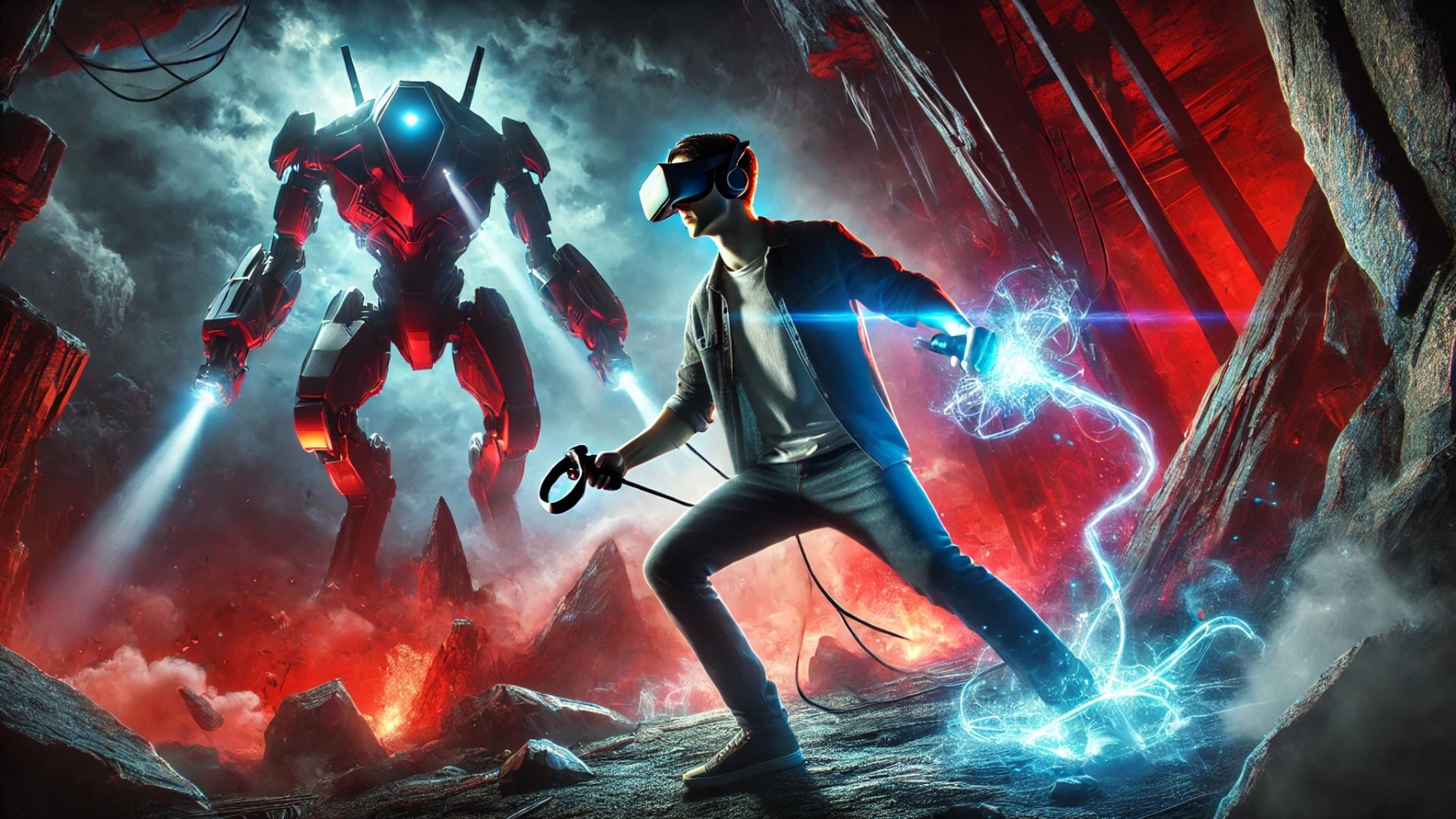
The future of VR in gaming looks incredibly promising. As technology continues to advance, we can expect even more immersive and realistic VR experiences. Improvements in VR hardware, such as higher resolution displays, wider field of view, and more accurate motion tracking, will enhance the sense of presence and immersion.
The growth of standalone VR headsets like the Oculus Quest series is making VR more accessible to a broader audience. These devices do not require a powerful PC or console, making it easier for people to experience VR gaming. The success of standalone headsets indicates a shift towards more user-friendly and affordable VR solutions.
The development of new input devices and haptic feedback systems will further enhance the interactivity of VR games. Imagine being able to feel the texture of objects or the impact of actions in a virtual world. These advancements will make VR gaming even more engaging and realistic.
Virtual reality is revolutionizing the gaming industry by offering unparalleled levels of immersion and interactivity. It is transforming how games are designed, played, and experienced, creating new opportunities for developers and providing players with unique and memorable experiences. As VR technology continues to evolve, its impact on the gaming industry will only grow, leading to even more innovative and captivating gaming experiences. The future of gaming is undoubtedly intertwined with the advancements in virtual reality, promising an exciting and immersive journey for gamers worldwide.
Future of Virtual Reality in Gaming
Author: Elisha Roodt
Delivering expert insights into virtual reality, 360° production, and the immersive technological evolution across South Africa.