
Transforming South African Brands: The Impact of Virtual Reality Events
Exploring the Future of Brand Engagement through Immersive Technology In the vibrant landscape of South African business, brands are continually...
Exploring the Future of Brand Engagement through Immersive Technology
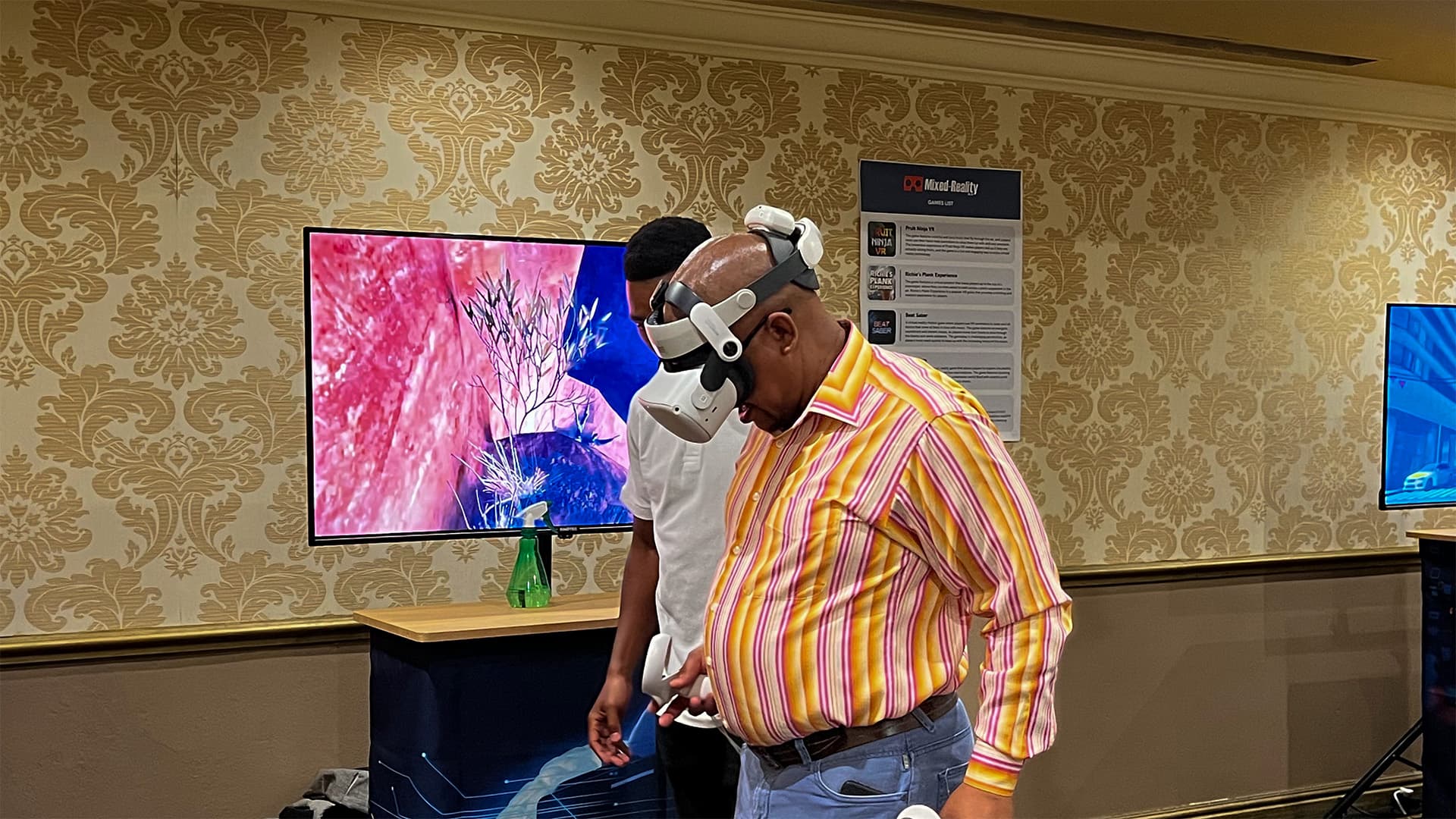
In the vibrant landscape of South African business, brands are continually seeking innovative ways to connect with their audience. Virtual reality (VR) events have emerged as a game-changer, offering immersive experiences that transcend traditional marketing methods. Imagine stepping into a virtual safari where your brand is the guide, or attending a digital concert where every element reflects your company's ethos. This fusion of technology and creativity is redefining brand interactions, setting the stage for a new era of consumer engagement.
Immersive Brand Storytelling
Crafting Narratives in Virtual Spaces
Brands thrive on storytelling, and VR provides a canvas like no other. Picture a South African winery offering a virtual tour of its vineyards, allowing customers to explore the terroir from their living rooms. This immersive narrative not only showcases the brand’s heritage but also creates a memorable experience that resonates deeply with consumers. By weaving stories into virtual environments, brands can communicate their values and mission in a way that traditional media simply cannot match.
Enhancing Emotional Connections
Emotions drive consumer behavior, and VR excels at evoking them. A fashion brand might create a virtual runway show where attendees can interact with the garments, feeling the fabric's texture through haptic feedback devices. This sensory engagement fosters a stronger emotional bond between the consumer and the brand, transforming passive viewers into active participants. Such deep connections are invaluable, fostering brand loyalty and encouraging repeat interactions.
Personalizing the Experience
Personalization is key in today’s market, and VR allows brands to tailor experiences to individual preferences. Imagine a cosmetics brand offering a virtual makeover session, where users can try different looks in real-time. By leveraging data and user interactions, brands can create customized experiences that cater to each consumer’s unique tastes and needs, enhancing satisfaction and increasing the likelihood of conversion.
Expanding Reach through Virtual Events
Breaking Geographical Barriers
South Africa’s diverse consumer base is spread across vast regions, making physical events challenging. VR events eliminate geographical constraints, enabling brands to reach a global audience from a single virtual platform. Whether it’s a product launch or a trade show, virtual events provide an inclusive space where anyone with an internet connection can participate, expanding the brand’s reach exponentially.
Cost-Effective Engagement
Traditional events often come with significant costs, from venue rentals to travel expenses. Virtual reality events offer a cost-effective alternative, reducing the need for physical infrastructure while still delivering high-impact experiences. Brands can allocate resources more efficiently, investing in creating high-quality virtual environments and interactive elements that provide greater value to attendees without breaking the bank.
Real-Time Analytics and Feedback
One of the standout advantages of VR events is the ability to gather real-time data. Brands can track attendee interactions, monitor engagement levels, and collect instant feedback, allowing for agile adjustments and improvements. This data-driven approach ensures that virtual events are continually optimized to meet audience expectations, enhancing overall effectiveness and ROI.
Revolutionizing Product Demonstrations
Interactive Showcases
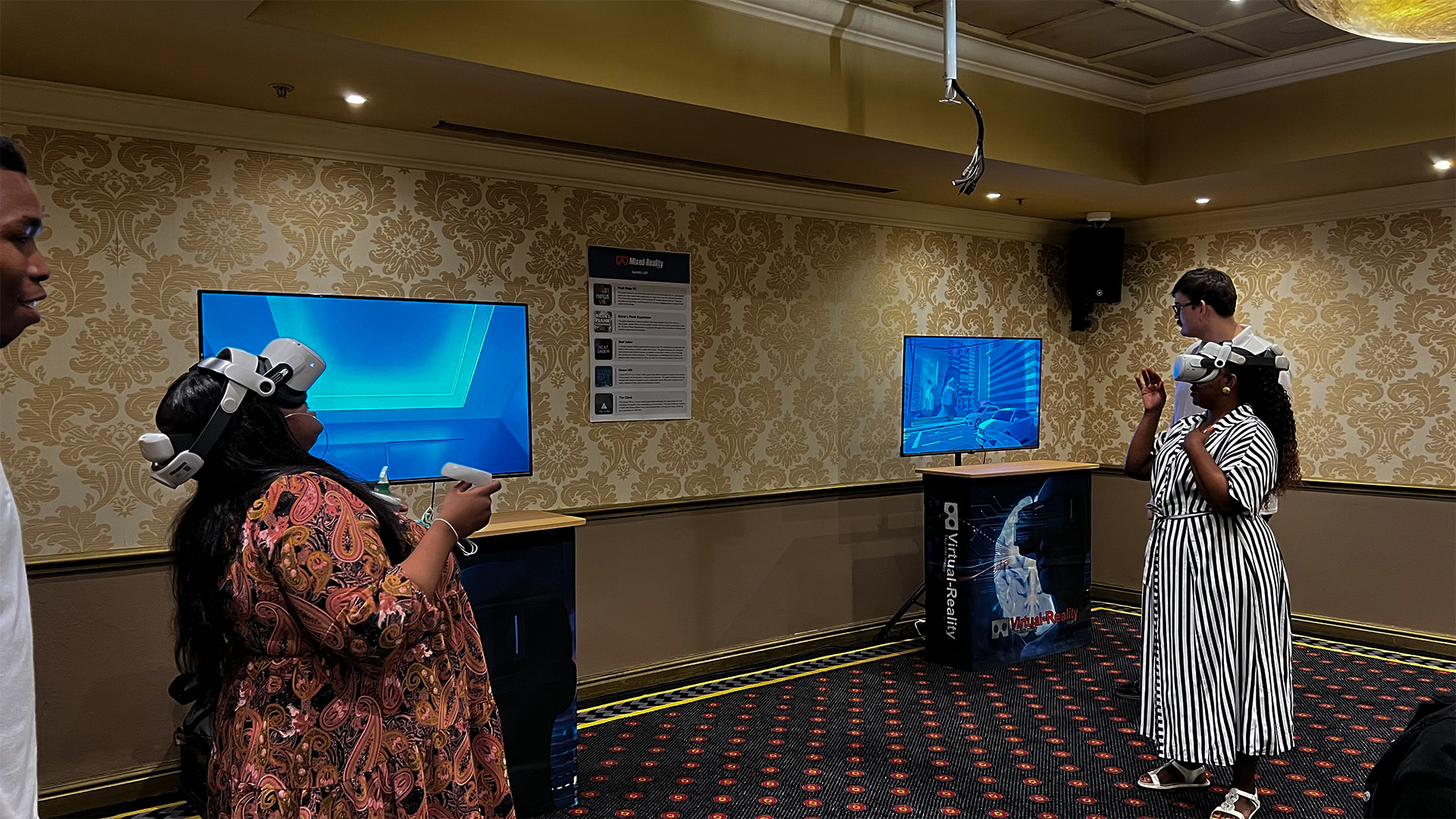
Virtual reality transforms product demonstrations from passive displays to interactive experiences. A South African tech company could showcase its latest gadget in a virtual lab, allowing users to manipulate and explore features firsthand. This hands-on approach provides a deeper understanding of the product’s capabilities, fostering informed purchasing decisions and reducing the uncertainty often associated with new technology.
Simulating Real-World Applications
VR enables brands to demonstrate how their products function in real-world scenarios. For instance, an automotive brand might create a virtual test drive, letting potential customers experience the vehicle’s performance on various terrains without leaving their homes. By simulating practical applications, brands can highlight the benefits and reliability of their products in a compelling and convincing manner.
Enhancing Training and Education
Beyond showcasing products, VR can be used for training and educational purposes. A South African healthcare brand, for example, could develop virtual training modules for medical professionals, demonstrating the use of their medical devices in simulated environments. This not only educates users but also builds trust and credibility, positioning the brand as a leader in its field.
Fostering Community and Networking
Creating Virtual Spaces for Interaction
Community building is essential for brand loyalty, and VR provides unique opportunities for fostering connections. Brands can create virtual lounges or meeting spaces where customers can interact, share experiences, and engage with brand ambassadors. These digital communities enhance the sense of belonging, encouraging long-term relationships and advocacy.
Facilitating Networking Opportunities
Virtual reality events can also serve as networking hubs, connecting like-minded individuals and industry professionals. A South African entrepreneurial brand might host virtual networking events, allowing participants to exchange ideas and collaborate in an immersive setting. These interactions can lead to valuable partnerships and innovation, driving the brand and its community forward.
Hosting Exclusive Experiences
Exclusivity can be a powerful tool for brands, and VR allows for the creation of unique, members-only experiences. Imagine a luxury brand offering virtual VIP events where select customers can preview new collections or access behind-the-scenes content. These exclusive experiences not only reward loyal customers but also create a sense of prestige and desirability around the brand.
Integrating VR with Traditional Marketing
Complementary Campaigns
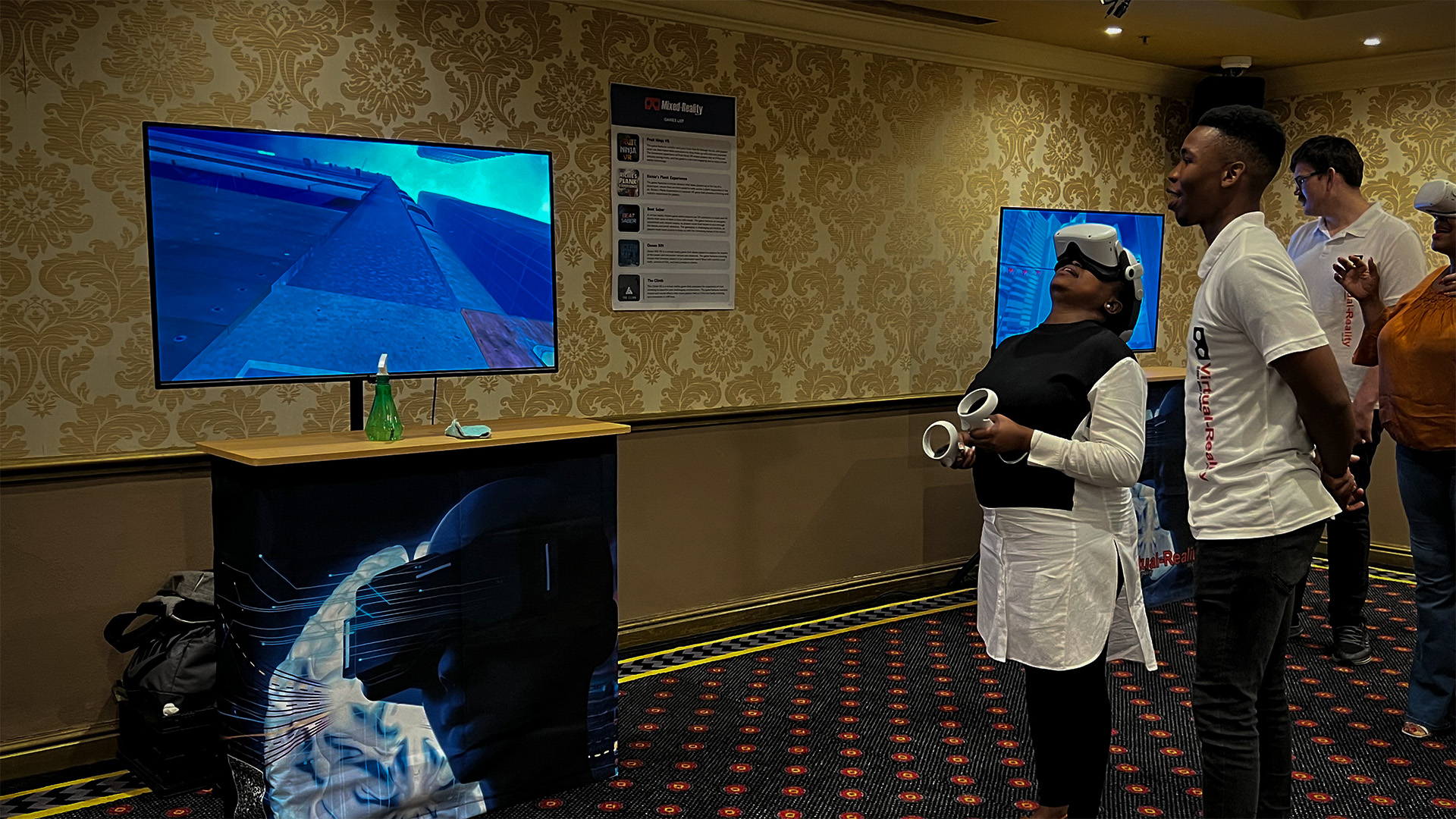
Virtual reality should complement, not replace, traditional marketing efforts. A South African beverage brand might run a TV campaign while simultaneously hosting a VR tasting event, providing multiple touchpoints for consumer engagement. This integrated approach ensures a cohesive brand message across various channels, reinforcing brand identity and increasing overall impact.
Enhancing Social Media Strategies
Social media is a critical component of modern marketing, and VR can amplify its effectiveness. Brands can create shareable virtual experiences that users can post on their social platforms, increasing visibility and engagement. For instance, a South African travel brand could offer virtual tours of exotic destinations, encouraging users to share their experiences and inspire others to explore.
Leveraging Influencer Partnerships
Influencers play a significant role in shaping consumer perceptions, and VR offers new avenues for collaboration. Brands can partner with influencers to host virtual events, such as live Q&A sessions or virtual product launches, reaching their followers in an immersive environment. These partnerships can enhance credibility and expand the brand’s reach through trusted voices.
Overcoming Challenges and Embracing Opportunities
Technological Barriers
Adopting VR technology comes with challenges, including the need for robust infrastructure and user accessibility. However, as technology advances and becomes more affordable, these barriers are gradually diminishing. South African brands that invest in VR now can position themselves as pioneers, gaining a competitive edge as the technology becomes mainstream.
Ensuring User Accessibility
To maximize the impact of VR events, brands must ensure accessibility for all users. This includes optimizing virtual environments for various devices and providing support for different levels of technological proficiency. By prioritizing inclusivity, brands can reach a broader audience and create experiences that are enjoyable and accessible to everyone.
Balancing Innovation with Practicality
While VR offers immense potential, it’s crucial for brands to balance innovation with practicality. Not every aspect of a brand’s strategy needs to be virtual, and integrating VR should align with overall business objectives. South African brands should carefully assess how VR can enhance their specific goals, ensuring that virtual events complement and enhance their broader marketing efforts.

Future Prospects and Evolving Trends
Advancements in VR Technology
The future of VR is bright, with continuous advancements enhancing realism and interactivity. Features like haptic feedback, improved graphics, and AI-driven interactions will make virtual events even more immersive and engaging. South African brands that stay abreast of these developments can leverage cutting-edge technology to create standout experiences.
Integration with Other Emerging Technologies
Virtual reality is increasingly being integrated with other technologies, such as augmented reality (AR) and artificial intelligence (AI). This convergence opens up new possibilities for creating hybrid experiences that blend the virtual and physical worlds. For example, a South African retail brand could use AR to enhance its VR events, offering interactive overlays that provide additional information and engagement opportunities.
Shifting Consumer Expectations
As consumers become more accustomed to immersive technologies, their expectations are evolving. They seek seamless, engaging, and personalized experiences that VR can provide. Brands must adapt to these changing preferences, continuously innovating to meet and exceed consumer expectations. By embracing VR, South African brands can stay relevant and meet the demands of a tech-savvy audience.
Strategic Implementation for South African Brands
Identifying Objectives and Goals
Successful VR integration begins with clear objectives. South African brands should define what they aim to achieve through virtual events, whether it’s increasing brand awareness, driving sales, or fostering community engagement. By setting specific goals, brands can design VR experiences that are targeted and effective, ensuring a measurable impact on their business.
Investing in Quality Content
The success of VR events hinges on the quality of the content. Brands must invest in creating high-fidelity virtual environments and interactive elements that provide a seamless and engaging experience. Collaborating with experienced VR developers and designers can ensure that the virtual experiences are polished and professional, reflecting the brand’s standards and values.
Training and Support for Teams
Implementing VR requires expertise and a willingness to embrace new technologies. South African brands should invest in training their teams, ensuring that everyone involved understands how to create, manage, and optimize virtual events. Providing ongoing support and resources can facilitate a smooth transition, empowering teams to leverage VR effectively.
Measuring Success and Optimizing Strategies
Defining Key Performance Indicators (KPIs)
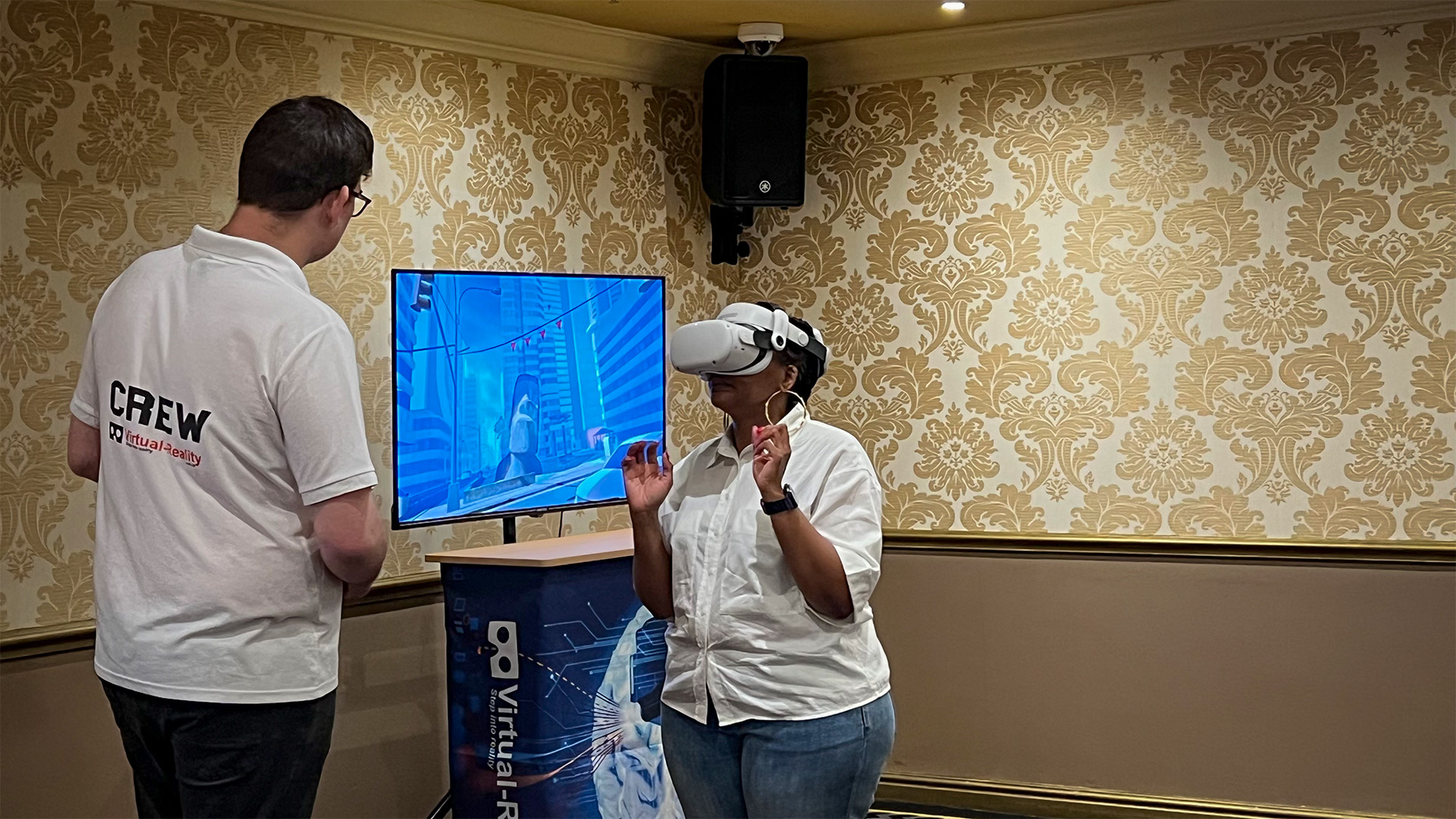
To evaluate the effectiveness of VR events, brands must establish clear KPIs. These might include metrics such as attendee engagement, conversion rates, and user satisfaction. By tracking these indicators, South African brands can assess the success of their virtual initiatives and identify areas for improvement.
Gathering and Analyzing Data
Data is the lifeblood of successful marketing strategies, and VR events generate a wealth of information. Brands can analyze user behavior, preferences, and feedback to gain insights into what works and what doesn’t. This data-driven approach enables continuous optimization, ensuring that VR events remain relevant and impactful.
Iterating and Improving
The virtual landscape is dynamic, and brands must be prepared to iterate and refine their strategies. South African brands should adopt an agile mindset, experimenting with new ideas and adapting to feedback. By continuously improving their VR events, brands can stay ahead of the curve and maintain a competitive advantage in the market.
Virtual reality events are more than just a trend; they represent a fundamental shift in how brands interact with their audience. For South African brands, embracing VR offers a unique opportunity to create immersive, engaging, and personalized experiences that resonate deeply with consumers. By leveraging storytelling, expanding reach, revolutionizing product demonstrations, fostering community, integrating with traditional marketing, and strategically implementing VR technologies, brands can unlock new levels of success. As technology continues to evolve, the potential for virtual reality in shaping the future of South African brands is boundless, promising a landscape where imagination and innovation drive unparalleled brand experiences.
Measuring Success And Optimizing Strategies
Author: Elisha Roodt
Delivering expert insights into virtual reality, 360° production, and the immersive technological evolution across South Africa.