
Virtual Reality and the Metaverse
Virtual reality is a massive topic, and it's not just the technology itself that's any good—there's also the metaverse. This is the idea that virtual reality is just one way
Virtual reality is a massive topic, and it's not just the technology itself that's any good—there's also the metaverse. This is the idea that virtual reality is just one way to experience the world, but it might not be your only option. The future of VR could be shaped by its ability to blend with other tools and devices like AR and mixed-reality head-mounted displays (HMDs). In this guide, we'll cover what VR is, how it works, why people are excited about it, where else you can use VR in your life (and some ways you might use it), and more!
Why is there so much hype about VR now?
Virtual reality (VR) has been around for several decades, but in recent years there has been increased interest and investment in the technology. This is due to a number of factors, including the availability of more advanced and affordable VR hardware, the development of more immersive and realistic VR content, and the potential for VR to be used in a wide range of applications, such as gaming, entertainment, education, training, and healthcare.
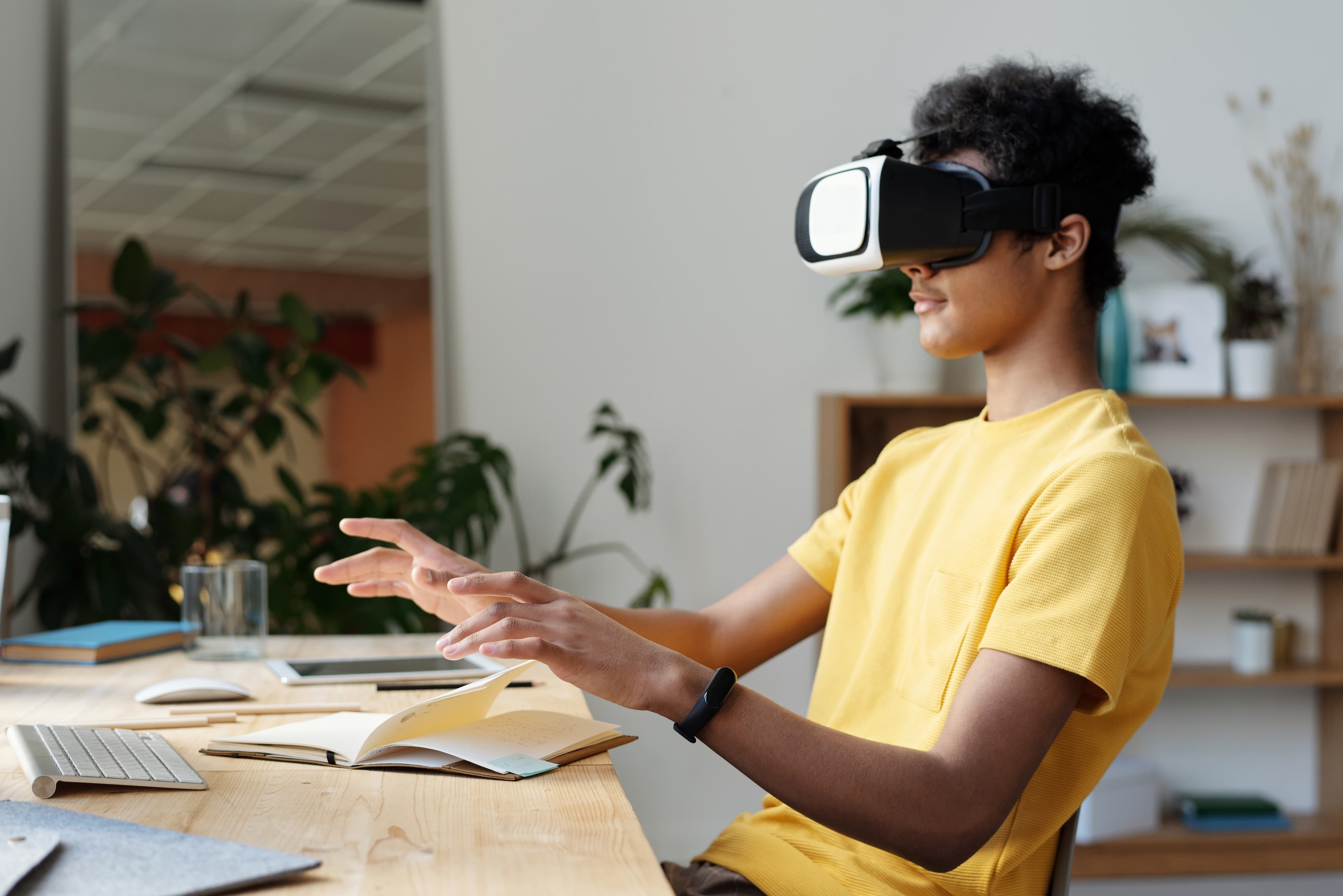
One of the key drivers of the VR hype is the emergence of VR headsets that allow users to experience immersive and interactive 3D environments in a way that was not previously possible. These headsets use a combination of high-resolution displays, sensors, and tracking technology to provide a sense of presence and immersion in a virtual world.
In addition to hardware advances, there has also been significant progress in the development of VR content. Games, movies, and other types of media that have been specifically designed for VR offer a more immersive and engaging experience than traditional 2D media.
Finally, the potential for VR to be used in a variety of different fields has also contributed to the hype surrounding the technology. VR has the potential to revolutionize how we interact with computers and with each other, and it has the potential to transform a wide range of industries, from education and training to healthcare and entertainment.
Before you jump into VR, it’s important to understand why there is so much hype about VR now. VR has been around for a long time, but it has only recently become affordable and accessible. It's the next step in the evolution of gaming and entertainment, as well as an entirely new way for us to experience things like learning or seeing our environment from different perspectives.
The difference between virtual reality (VR) and augmented reality (AR) is that with AR, you can add extra content into your current environment—like adding another layer on top of everything else you see around you—while with VR you can actually step outside of your current physical space and enter another world altogether!
VR is a technology that allows you to step into an entirely new world. With VR, you can experience things like flying through space in zero gravity or standing on the edge of a cliff with nothing but air beneath your feet. It’s also an incredible tool for education and can be used to help train people for jobs in various fields like medicine or construction.
What's the difference between VR and AR?
VR and AR are two very different technologies, but they both have the power to change how we experience the world. VR is completely immersive, which means that you can be immersed in a virtual reality environment for an entire period of time. For example, if you're playing a video game and suddenly get attacked by an enemy robot from another world, your body will respond accordingly: your heart rate will increase as fear takes over—and then return back down again once the threat has passed. This is because VR blends real life with virtual worlds so seamlessly that it feels like reality has been warped into something entirely new!
The other main difference between VR and AR is that while one uses special glasses or goggles on top of one’s head (which may look something like this), others don't require any such technology at all: instead they rely solely on handheld devices such as smartphones or tablets which connect into apps installed onto these devices via Bluetooth connectivity—these apps allow users access codes to enter into specific areas within their respective worlds' environments; thus allowing them full control over how much detail they want exposed when viewing things through screens built into these devices themselves."
What is the metaverse?
The term "metaverse" refers to a shared virtual space that is created and maintained by a computer-based simulation. It is often described as a virtual world or a virtual reality, and it may include elements such as avatars (virtual representations of users), virtual objects, and virtual environments.
There is currently a lot of hype surrounding the concept of the metaverse, particularly in the context of gaming and entertainment. Many people are excited about the potential for the metaverse to become a new platform for social interaction, entertainment, and even commerce.
One of the main drivers of the hype around the metaverse is the increasing popularity of virtual and augmented reality (VR and AR) technologies, which have the potential to make the metaverse more immersive and realistic. The emergence of more advanced VR and AR hardware and software, as well as the development of new VR and AR content, has contributed to the growing interest in the metaverse.
In addition to the potential for the metaverse to be used for gaming and entertainment, there is also interest in its potential for other applications, such as education, training, and even therapy. Some experts believe that the metaverse has the potential to fundamentally change the way we live and work, and to create new opportunities for social interaction, creativity, and innovation.
The metaverse is a virtual reality world that is connected, accessible from multiple devices and a shared space where people can interact and communicate with each other. It's like playing one of those games in which you are transported to another world where you meet new characters and solve problems. But this time, it's real life!
The metaverse will be made up of many different things: your home, your car or even your desk at work could all be part of it (or even all three). You'll also have access to shops where you can buy groceries or clothes without leaving the comfort of your own home—and if there isn't something that needs buying right now? Well then maybe just looking around will satisfy your cravings...
Which VR headset should I buy?
It's important to know that not all VR headsets are created equal. The best VR headset for you will depend on your needs and budget. Here's a breakdown of the different types of headsets available, how they work, and what you can expect from each one:
Oculus Quest: This is a good choice for beginners because it requires no external sensors or controllers (like tethered controls). It also comes with an Oculus Insight camera that allows users to see their own hands in the game world through its lenses. However, this device has limited functionality compared to more advanced headsets like HTC Vive Pro which enables hand tracking and room scale tracking capabilities.
HTC Vive Pro Eye: If you're looking for something more powerful than what comes with your smartphone then this might be an option worth exploring since its price point matches other high-end options like Playstation VR Worlds or Samsung Gear VR . Both these devices require some sort of sensor accessory but offer greater accessability than any mobile device currently exists today!
Top things to know about VR.
What are some ways to use VR as a creative tool?
Immersive Experiences: This can include VR installations where you walk through an environment that changes based on your actions or presence. For example, if you're walking through your neighborhood at night and see someone else standing there (or even hallucinating), then this could trigger some sort of memory from earlier in life when you were somewhere else with them. In short: If something happens in real life that reminds us about another place or thing we've been before—then maybe we'll think about our current surroundings differently because they remind us so strongly of something else!
New Forms Of Storytelling: Instead of just watching someone tell their story using traditional film formats like documentaries or dramas; imagine being able to put yourself right into someone else's shoes while listening along with them—and then seeing what would happen if they changed anything...
Virtual reality offers a whole new way to experience the world. Virtual reality is an immersive experience that allows you to see, hear, and feel the environment around you. The metaverse or “universe” has many applications beyond gaming and entertainment: education; training in business or technology; virtual tourism; scientific research; art gallery exhibitions; even concerts!
VR can be used for social interactions as well—it's not just about games anymore!
We are only just at the beginning of this new era of technological advancement, and we can’t wait to see what the future holds!
Author: Gerald Ferreira
Delivering expert insights into virtual reality, 360° production, and the immersive technological evolution across South Africa.