
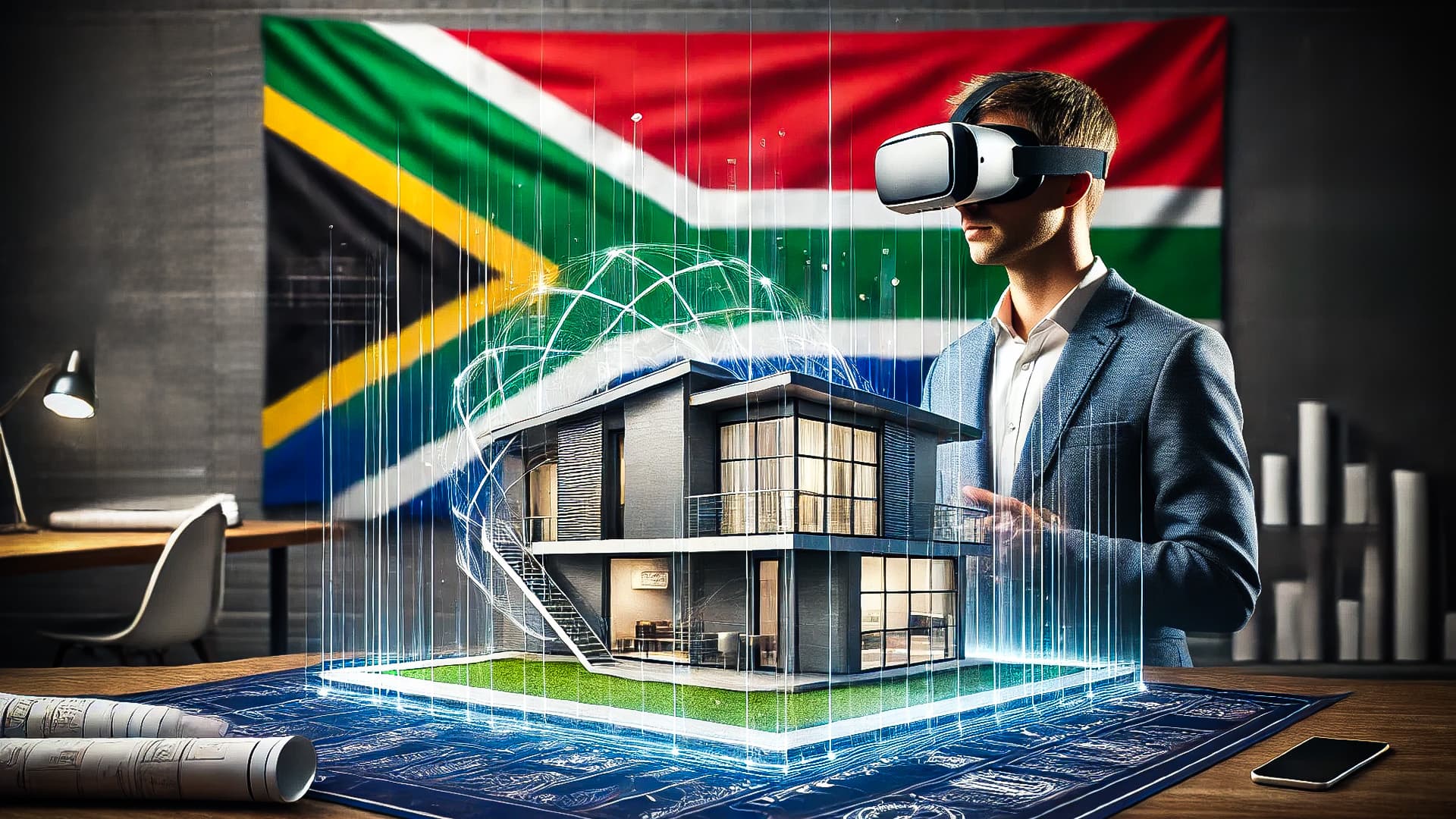
Virtual Reality for South African Real Estate
In an industry where first impressions are paramount, real estate marketing has always relied heavily on the visual appeal of properties...
In an industry where first impressions are paramount, real estate marketing has always relied heavily on the visual appeal of properties. Traditionally, this meant staging homes, creating glossy brochures, and arranging numerous in-person viewings. However, with the rise of Virtual Reality (VR), South Africa's real estate sector is undergoing a transformative shift. VR offers an immersive, dynamic, and highly interactive experience that transcends traditional marketing methods, allowing potential buyers to explore properties in a way that was once unimaginable. This technology is not just a novelty; it is rapidly becoming a cornerstone in modern real estate marketing, providing agents and developers with powerful tools to engage clients and showcase properties in vivid detail.
The Growing Demand for Innovative Real Estate Solutions in South Africa
Market Trends Shaping the Future of Real Estate
South Africa's real estate market is evolving, driven by a confluence of factors including urbanization, economic shifts, and technological advancements. In recent years, there has been a marked increase in the demand for innovative real estate solutions that cater to a more discerning and tech-savvy clientele. As cities expand and competition intensifies, both buyers and sellers are seeking more efficient, cost-effective ways to engage in the property market. This trend is reshaping the industry, compelling real estate professionals to adopt cutting-edge tools like VR to stay ahead of the curve.
The Shift Towards Digital and Remote Property Viewing
The global pandemic accelerated the adoption of digital solutions across industries, and real estate was no exception. With lockdowns and social distancing measures in place, remote property viewing became not just a convenience but a necessity. In South Africa, this shift towards digital interactions has continued to gain momentum, even as restrictions have eased. VR technology has emerged as a pivotal tool in this landscape, allowing prospective buyers to explore properties from the comfort of their homes. This shift is not just a temporary response to a crisis; it represents a long-term change in how properties are marketed and sold.
How VR is Revolutionizing Real Estate Marketing Globally
Virtual Reality is revolutionizing real estate marketing on a global scale, offering unprecedented opportunities for engagement and immersion. From New York to Tokyo, real estate firms are leveraging VR to create virtual tours that are as close to reality as possible. This technology allows potential buyers to navigate through properties, examine details up close, and even visualize how spaces could be furnished—all without setting foot on the premises. For South African real estate professionals, adopting VR means aligning with global best practices and positioning themselves as innovators in a competitive market.
What is Virtual Reality and How It Applies to Real Estate
A Brief Overview of Virtual Reality Technology
Virtual Reality is a technology that creates a simulated environment, immersing the user in a 3D world that can be interacted with in real time. Unlike traditional 2D images or videos, VR provides a sense of presence, making the user feel as though they are physically inside the virtual space. This is achieved through the use of VR headsets, motion tracking, and advanced rendering techniques that combine to produce a highly realistic experience. In the context of real estate, VR allows potential buyers to experience properties in a way that static images and videos simply cannot match.
The Intersection of VR and Real Estate: A Perfect Match
The application of VR in real estate is a natural fit. Real estate is inherently a visual industry, where the look and feel of a space play a crucial role in a buyer’s decision-making process. VR enhances this visual experience by enabling buyers to virtually walk through a property, move from room to room, and get a true sense of the layout and flow. This interactive experience is far more engaging than traditional photos or videos, making it easier for buyers to connect emotionally with a property. For real estate professionals, VR offers a powerful tool to showcase properties in their best light, attract more interested buyers, and close deals faster.
Examples of VR Applications in Real Estate Globally
Globally, VR is being used in a variety of innovative ways in the real estate sector. In the United States, luxury real estate firms are offering VR tours of multimillion-dollar homes to international buyers who cannot easily travel to view the properties in person. In Europe, developers are using VR to allow potential buyers to tour off-plan developments, providing a tangible sense of what the finished property will look like. In Asia, VR is being used to create virtual showrooms for high-end developments, allowing buyers to customize finishes and furnishings in real time. These examples highlight the versatility of VR as a tool for marketing, selling, and even designing real estate.

The Benefits of VR for Property Tours in South Africa
Immersive Property Viewing: Bringing Listings to Life
One of the most significant benefits of VR for property tours is the level of immersion it offers. Unlike traditional property listings that rely on photos or videos, VR allows potential buyers to feel as though they are physically present in the space. This immersive experience is particularly valuable in a diverse and geographically expansive market like South Africa, where properties may be located far from the buyer's current residence. With VR, buyers can explore a property in detail, examining features such as room dimensions, natural light, and even the view from the windows, all without leaving their home.
Enhanced Accessibility: Viewing Properties Anytime, Anywhere
Another key advantage of VR is the enhanced accessibility it provides. In a country as large and varied as South Africa, where potential buyers might be located in different provinces or even abroad, VR eliminates the need for long-distance travel to view properties. Buyers can take virtual tours at any time of day, from anywhere in the world, making the property search process more convenient and flexible. This is particularly beneficial for international investors or expatriates looking to purchase property in South Africa, as it allows them to explore options remotely before making a trip to view their top choices in person.
Reducing Time and Costs: Efficient Property Selection Process
Time is often of the essence in real estate transactions, and VR can significantly streamline the property selection process. By providing a comprehensive virtual tour, VR enables buyers to narrow down their options more quickly, focusing only on the properties that truly meet their criteria. This reduces the number of in-person viewings required, saving both time and money for buyers and real estate agents alike. In a fast-paced market, the ability to make quicker decisions can be a decisive factor in securing a desirable property before it is snapped up by another buyer.
Virtual Reality as a Powerful Tool for Real Estate Marketing
Engaging Buyers with Interactive Experiences
In the highly competitive world of real estate, standing out is essential. VR offers a unique way to engage buyers through interactive experiences that go beyond what traditional marketing methods can achieve. A VR tour allows potential buyers to move through a property at their own pace, exploring areas of interest in detail and even interacting with elements of the space, such as opening doors or turning on lights. This level of interactivity makes the property feel more tangible and real, increasing the likelihood that a buyer will develop a strong emotional connection to the home.
Building Emotional Connections with Potential Buyers
Emotional connection plays a crucial role in the decision to purchase a home. Buyers are not just looking for a place to live; they are looking for a place to build their future. VR helps to build this emotional connection by allowing buyers to experience a property in a more personal and intimate way. They can visualize themselves living in the space, imagine how they would use each room, and get a sense of whether the property feels like "home." This deep level of engagement can be the difference between a buyer passing on a property and deciding to make an offer.
Showcasing Unbuilt Properties with VR: A Game-Changer for New Developments
One of the most exciting applications of VR in real estate is its ability to showcase unbuilt properties. For developers, this is a game-changer. Traditionally, selling off-plan properties has been challenging, as buyers often struggle to visualize what the finished product will look like. With VR, developers can create detailed virtual models of properties before they are built, allowing buyers to take a virtual tour of the completed space. This not only helps to generate interest and secure sales before construction is finished but also provides valuable feedback from buyers that can be used to refine the final design.

VR for Real Estate Agents: Enhancing Professionalism and Efficiency
Standing Out in a Competitive Market
In a crowded market, differentiation is key. VR provides real estate agents with a cutting-edge tool that can set them apart from their competitors. Offering VR tours as part of a marketing package demonstrates a commitment to using the latest technology to benefit clients, which can enhance the agent’s reputation and attract more listings. For buyers, the availability of VR tours can be a deciding factor in choosing one agent over another, as it offers a more convenient and engaging way to explore properties.
Streamlining Client Interactions and Property Showings
VR also enhances efficiency by streamlining client interactions and property showings. Instead of scheduling multiple in-person visits, agents can offer VR tours as an initial step in the viewing process. This allows clients to view several properties in a short amount of time, narrowing down their choices before committing to an in-person visit. This not only saves time for both the agent and the client but also increases the likelihood of a successful viewing, as the client is already familiar with the property and interested in what it has to offer.
Closing Deals Faster with VR-Assisted Decision Making
The decision-making process in real estate can be lengthy, with buyers often needing to revisit properties several times before making a final choice. VR can expedite this process by providing a more comprehensive and detailed view of the property upfront. Buyers can revisit the VR tour as many times as they need, examining specific details and gaining confidence in their decision. This reduces the need for multiple in-person visits and can lead to faster decision-making and quicker closings, benefiting both the buyer and the seller.
Overcoming Challenges: Implementing VR in the South African Real Estate Market
Addressing Technological Barriers and Costs
While the benefits of VR in real estate are clear, implementing this technology in the South African market comes with its own set of challenges. One of the primary barriers is the cost of VR equipment and software, which can be prohibitive for smaller agencies or independent agents. Additionally, there is the challenge of ensuring that clients have access to the necessary technology to view VR tours. However, as VR technology becomes more widespread and affordable, these barriers are likely to diminish. In the meantime, innovative solutions such as mobile VR and online VR platforms can help to make this technology more accessible to a broader audience.
Educating the Market: Building Trust in Virtual Tours
Another challenge is educating the market and building trust in virtual tours. While VR is gaining popularity, there is still a level of skepticism among some buyers who prefer traditional methods of property viewing. Real estate professionals need to educate their clients about the benefits of VR and how it can complement, rather than replace, in-person viewings. By providing clear explanations and demonstrating the technology in action, agents can help to build confidence in VR and encourage more clients to embrace this innovative approach.
Integrating VR with Existing Marketing Strategies
For VR to be truly effective, it needs to be integrated with existing marketing strategies. This means using VR tours in conjunction with traditional methods such as professional photography, floor plans, and in-person viewings. By creating a seamless experience that combines the best of both worlds, real estate professionals can offer a more comprehensive service that meets the needs of all clients. Additionally, integrating VR with online marketing channels such as social media and property listing websites can help to reach a wider audience and generate more interest in the properties being marketed.
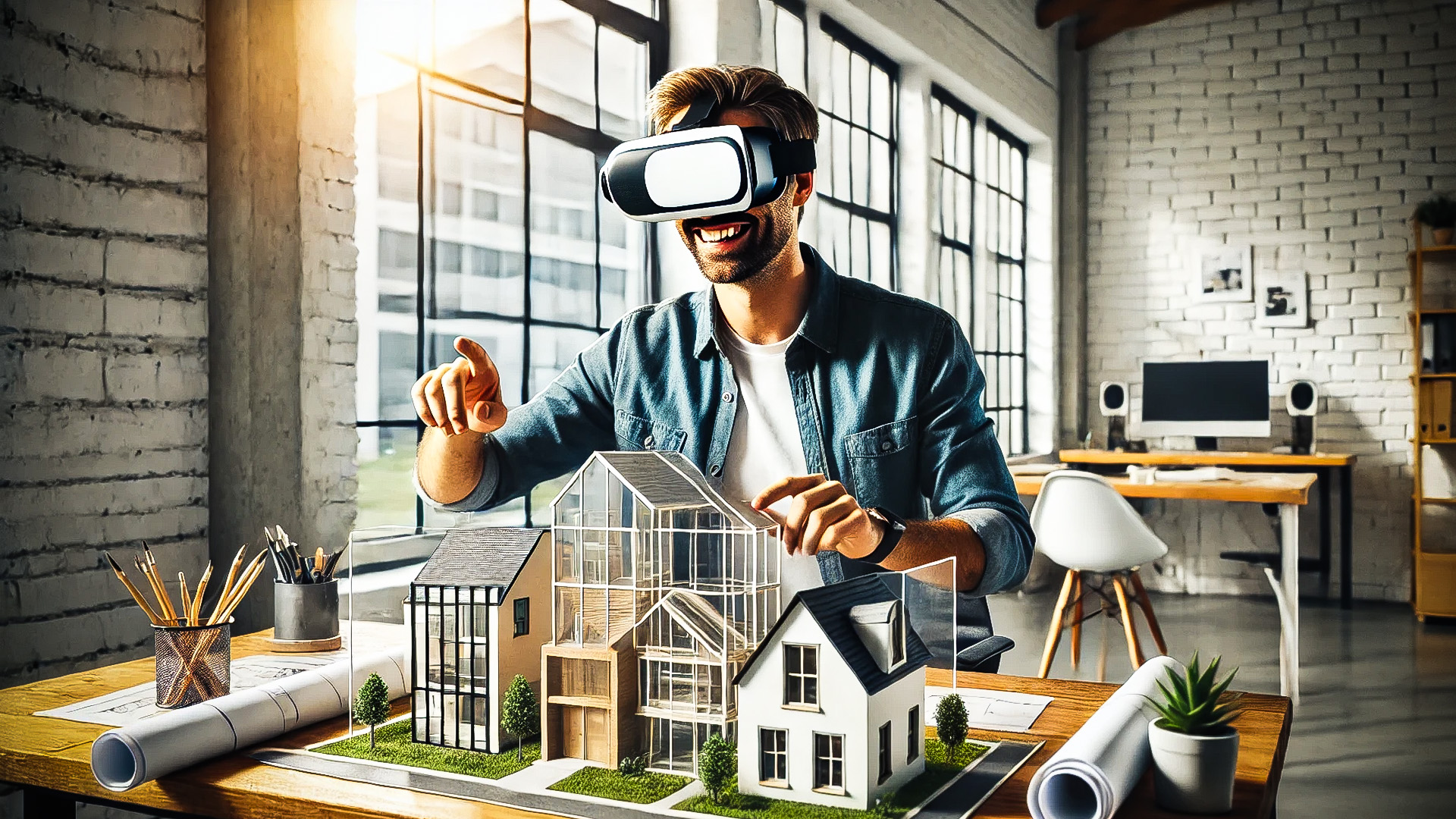
The Future of Virtual Reality in South African Real Estate
Emerging Trends and Innovations in VR Technology
The future of VR in South African real estate looks promising, with several emerging trends and innovations on the horizon. One of the most exciting developments is the integration of artificial intelligence (AI) with VR, which could lead to even more personalized and interactive property tours. For example, AI could be used to tailor the VR experience to the individual preferences of the buyer, highlighting features that are most likely to appeal to them. Other innovations include the use of augmented reality (AR) to enhance VR tours, allowing buyers to overlay information or visualize different design options as they explore a property.
Predictions for the Next Decade in Real Estate Marketing
Over the next decade, VR is expected to become a standard tool in real estate marketing, much like professional photography and online listings are today. As technology continues to advance and become more affordable, even smaller agencies and independent agents will be able to offer VR tours as part of their service. Additionally, as more buyers become accustomed to using VR, the demand for this technology is likely to increase, driving further innovation and adoption in the real estate sector. The result will be a more dynamic, efficient, and engaging property market that benefits both buyers and sellers.
How South African Real Estate Can Lead the Way with VR
South Africa has the potential to be a leader in the adoption of VR in real estate, particularly as the country continues to attract international investors and buyers. By embracing VR and integrating it into their marketing strategies, South African real estate professionals can position themselves at the forefront of this technological revolution. This not only provides a competitive advantage but also enhances the overall client experience, making the process of buying and selling property more transparent, efficient, and enjoyable. With the right investment in technology and education, the South African real estate market can set a new standard for innovation and excellence.
Embracing the Virtual Reality Revolution in South Africa’s Real Estate Industry
The adoption of Virtual Reality in South Africa’s real estate industry is not just a trend; it is a fundamental shift in how properties are marketed and sold. VR offers unparalleled opportunities to engage buyers, showcase properties, and close deals more efficiently. As the technology continues to evolve, its impact on the real estate market will only grow, offering new possibilities for innovation and success. By embracing VR, South African real estate professionals can not only meet the demands of today’s market but also anticipate the needs of tomorrow’s buyers, positioning themselves as leaders in a rapidly changing industry.

The Future Of Virtual Reality In South African Real Estate
Author: Elisha Roodt
Delivering expert insights into virtual reality, 360° production, and the immersive technological evolution across South Africa.