
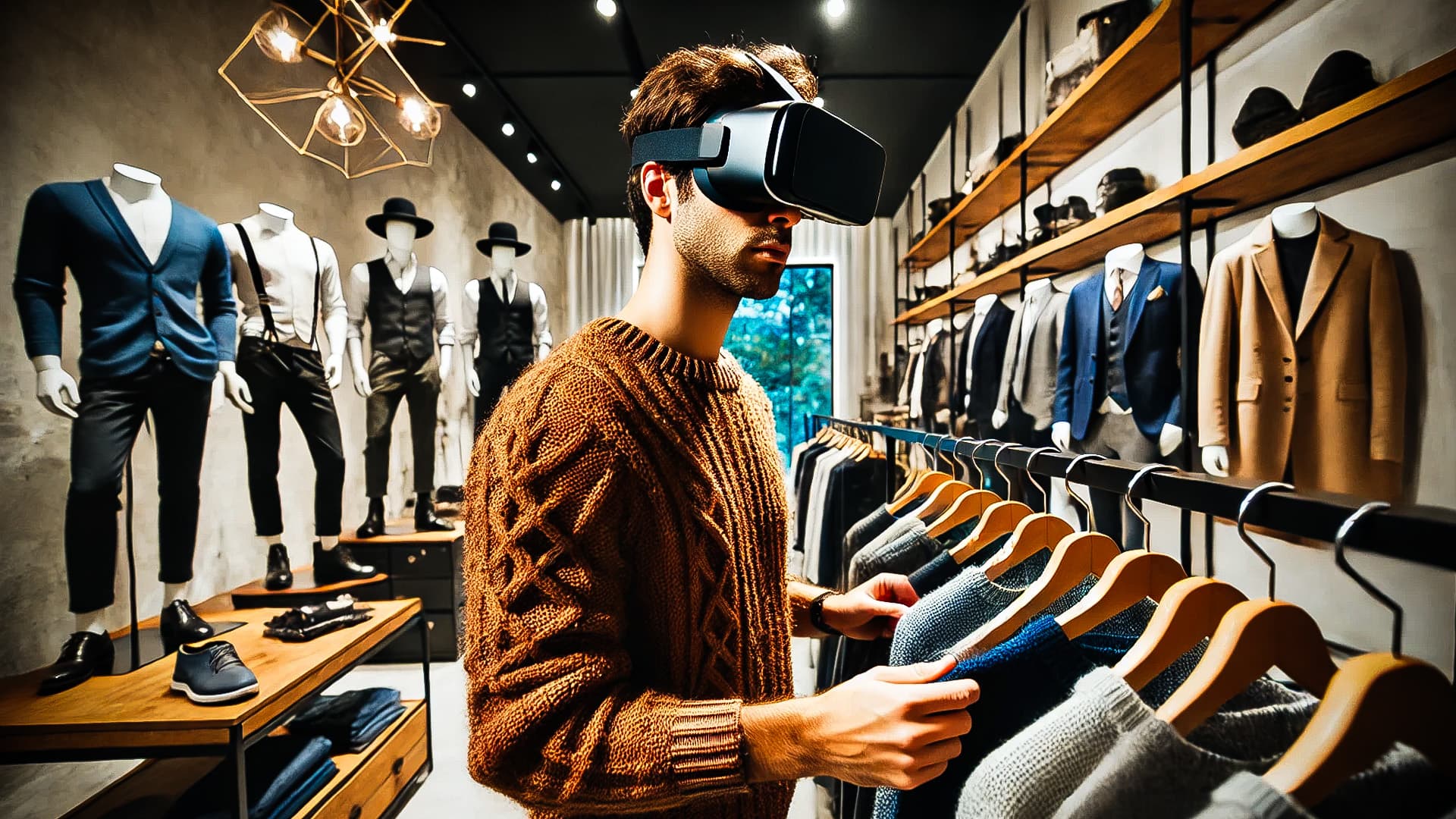
Virtual Reality in Retail and E-commerce
Retail has undergone an extraordinary transformation. From the bustling streets lined with brick-and-mortar stores to the sleek, algorithm-driven...
Retail has undergone an extraordinary transformation. From the bustling streets lined with brick-and-mortar stores to the sleek, algorithm-driven online shopping experiences, the evolution has been rapid and relentless. However, the journey doesn't end here. The next frontier in retail is being shaped by Virtual Reality (VR), a technology that transcends physical boundaries and redefines consumer interactions. In a world where convenience and experience are paramount, VR is not merely a trend but a game-changer, poised to revolutionize how we shop, interact with brands, and make purchasing decisions.
The convergence of VR and retail is more than just a technological advancement; it's a paradigm shift. This immersive technology is crafting new dimensions of engagement, allowing consumers to step inside virtual stores, interact with products as if they were tangible, and personalize their shopping journeys like never before. As VR continues to weave itself into the fabric of retail and e-commerce, it is enhancing the shopping experience in ways that were once the stuff of science fiction.
The Role of VR in Enhancing Customer Engagement
Engagement is the heartbeat of modern retail, and VR is infusing it with new vigor. Immersive shopping experiences are now within reach, bringing the store to the consumer's living room, bedroom, or wherever they choose to don a VR headset. Imagine walking through a virtual aisle, picking up products, examining them closely, and even getting a feel for their size and texture—all from the comfort of your home. This is the promise of VR, and it's transforming passive browsing into an active, engaging experience.
Virtual try-ons and fitting rooms are another revolutionary development. No longer do customers need to guess how a dress might fit or whether a pair of glasses will suit their face shape. With VR, they can try on clothes, accessories, and even makeup in a virtual mirror that accurately reflects their dimensions and preferences. This not only enhances customer satisfaction but also significantly reduces the uncertainty and frustration often associated with online shopping.
Beyond these tangible benefits, VR is also a powerful tool for personalization. By analyzing data from previous interactions, VR can craft personalized shopping journeys that cater to individual tastes, needs, and habits. This level of customization deepens the connection between the brand and the consumer, fostering loyalty and encouraging repeat purchases.

Virtual Showrooms and Product Demonstrations
Virtual showrooms are not just a novelty; they are the next evolution of product display. As more consumers turn to online shopping, the need for dynamic, interactive product showcases becomes increasingly important. Virtual showrooms offer an immersive environment where consumers can explore products in a 3D space, rotating them, zooming in on details, and even experiencing them in different settings. This is far more engaging than static images or videos and provides a richer understanding of the product.
Product demonstrations in VR go a step further by allowing consumers to interact with products in ways that were previously impossible. Whether it's testing the features of a new gadget, walking through the rooms of a virtual house before buying furniture, or even experiencing the performance of a car in a simulated environment, VR demos enhance understanding and satisfaction. Brands that have embraced this technology are seeing increased engagement and conversion rates, as consumers feel more confident in their purchasing decisions.
There are numerous examples of brands effectively using virtual showrooms to drive sales. For instance, luxury automotive brands are offering virtual test drives, while high-end fashion houses are allowing customers to attend virtual fashion shows where they can purchase items directly from the runway. These examples underscore the potential of VR to not only showcase products but to create entire brand experiences that resonate with consumers on a deeper level.
VR-Driven Marketing and Advertising Strategies
Marketing in the digital age is about cutting through the noise, and VR is proving to be a powerful tool in this regard. Immersive advertising, where consumers are not just passive recipients but active participants, is changing the landscape of digital marketing. VR allows brands to create memorable experiences that go beyond traditional advertisements, engaging consumers in ways that are both novel and impactful.
Interactive and memorable brand campaigns are now being crafted using VR, allowing consumers to engage with products and services in a virtual space that feels both personal and immersive. These campaigns are not just about showcasing a product but about telling a story, creating an experience, and building a connection. Whether it's a virtual tour of a brand's history, an interactive game that features product placements, or a simulated experience of using the product, VR campaigns are redefining how brands communicate with their audiences.
Case studies of successful VR marketing initiatives in retail abound. From major brands like IKEA, which has created a VR app that allows users to design their own rooms with furniture from the store, to smaller, niche brands using VR to create buzz and excitement around their products, the results are clear: VR is not just enhancing marketing efforts; it’s elevating them to new heights.
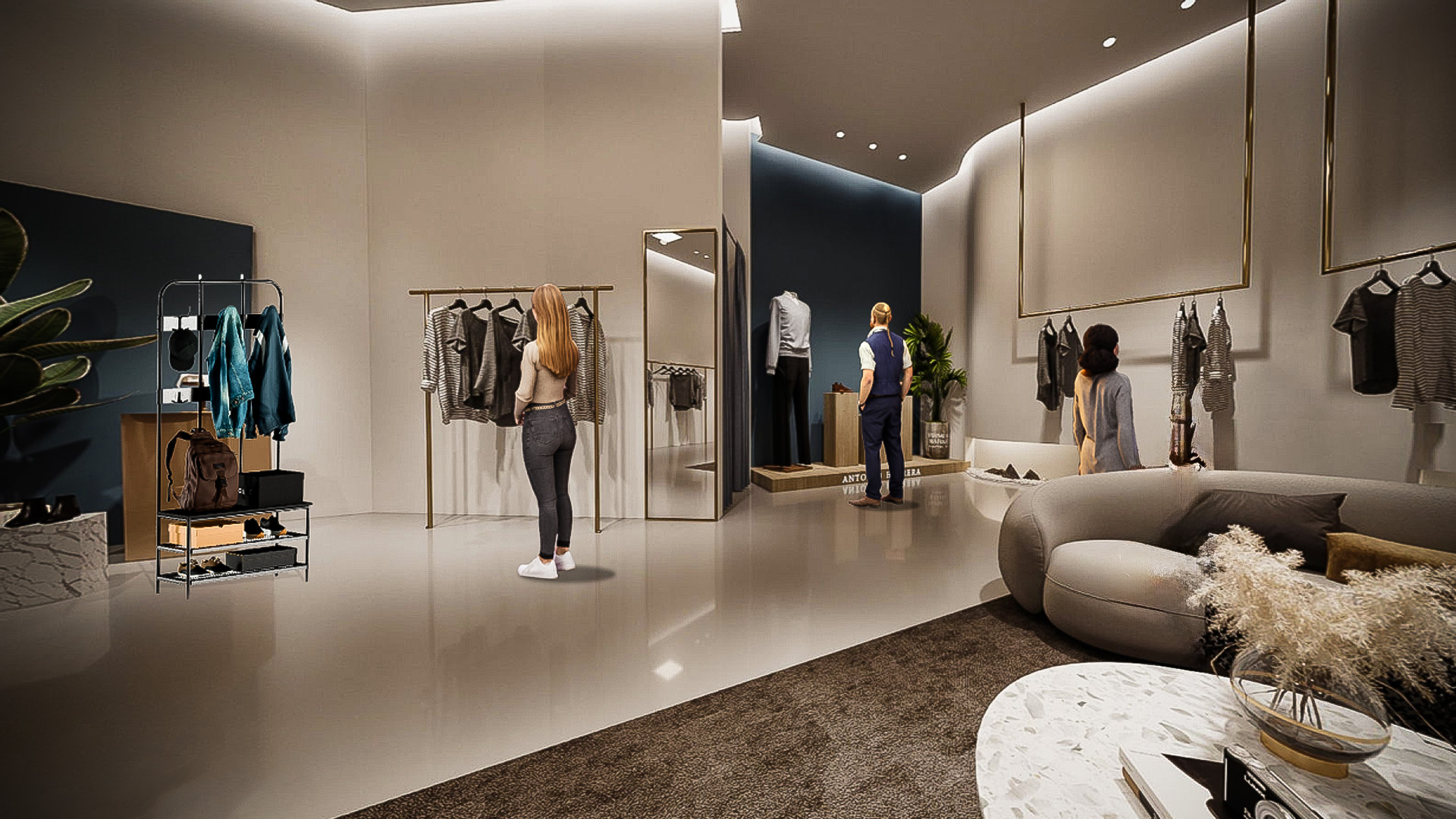
The Impact of VR on E-commerce
E-commerce has always been about convenience, but VR is adding a new dimension—immersion. One of the biggest challenges online retailers face is bridging the gap between the physical and the virtual, and VR is proving to be an effective bridge. By providing a virtual environment where consumers can interact with products as they would in a physical store, VR is making online shopping more engaging and satisfying.
Product visualization is a key area where VR is making a significant impact. In traditional e-commerce, consumers often have to rely on photos and descriptions, which can lead to uncertainty and dissatisfaction. VR changes this by allowing consumers to view products in 3D, examine them from all angles, and even see how they would look in their own environment. This level of detail reduces return rates and increases customer confidence.
The future of VR in e-commerce is bright, with trends and predictions pointing to even greater integration and innovation. As VR technology becomes more accessible and affordable, it is likely to become a standard feature of online shopping platforms, offering consumers a richer, more immersive shopping experience.
Overcoming Challenges in VR Retail Implementation
Despite its many advantages, implementing VR in retail is not without its challenges. Technological and logistical hurdles must be overcome to ensure a seamless VR experience. This includes ensuring that the technology is reliable and user-friendly, as well as addressing issues such as latency, resolution, and compatibility with different devices.
Accessibility and affordability are also significant concerns. While VR offers many benefits, it is important to ensure that these benefits are available to a broad audience. This means not only making the technology itself more affordable but also ensuring that it is accessible to people with different needs and abilities.
To maximize the return on investment in VR retail, brands need to develop strategies that leverage the full potential of this technology. This includes not only using VR to enhance the customer experience but also integrating it into broader marketing and sales strategies. By doing so, brands can ensure that their investment in VR yields tangible results.
The Future of Retail and E-commerce in a Virtual World
As we look to the future, it is clear that VR has the potential to transform the retail industry in profound ways. By enhancing the customer experience, improving product visualization, and creating new opportunities for engagement, VR is not just a passing trend but a powerful tool that is here to stay. For brands, staying ahead of the curve in VR adoption will be crucial to remaining competitive in an increasingly digital world.
The relationship between VR and consumer behavior is still evolving, but the early signs are promising. As more consumers experience the benefits of VR in retail and e-commerce, it is likely that demand for these immersive experiences will only grow. For retailers and e-commerce platforms, the time to invest in VR is now, as the virtual world becomes an increasingly important part of the shopping experience.

The Future of Retail and E-commerce in a Virtual World
Author: Elisha Roodt
Delivering expert insights into virtual reality, 360° production, and the immersive technological evolution across South Africa.