
Virtual Reality Tourism: Explore Destinations in Immersive 3D
The Shift from Traditional Travel to Digital Exploration The way we travel is undergoing a profound transformation, and Virtual Reality (VR)...
The Shift from Traditional Travel to Digital Exploration
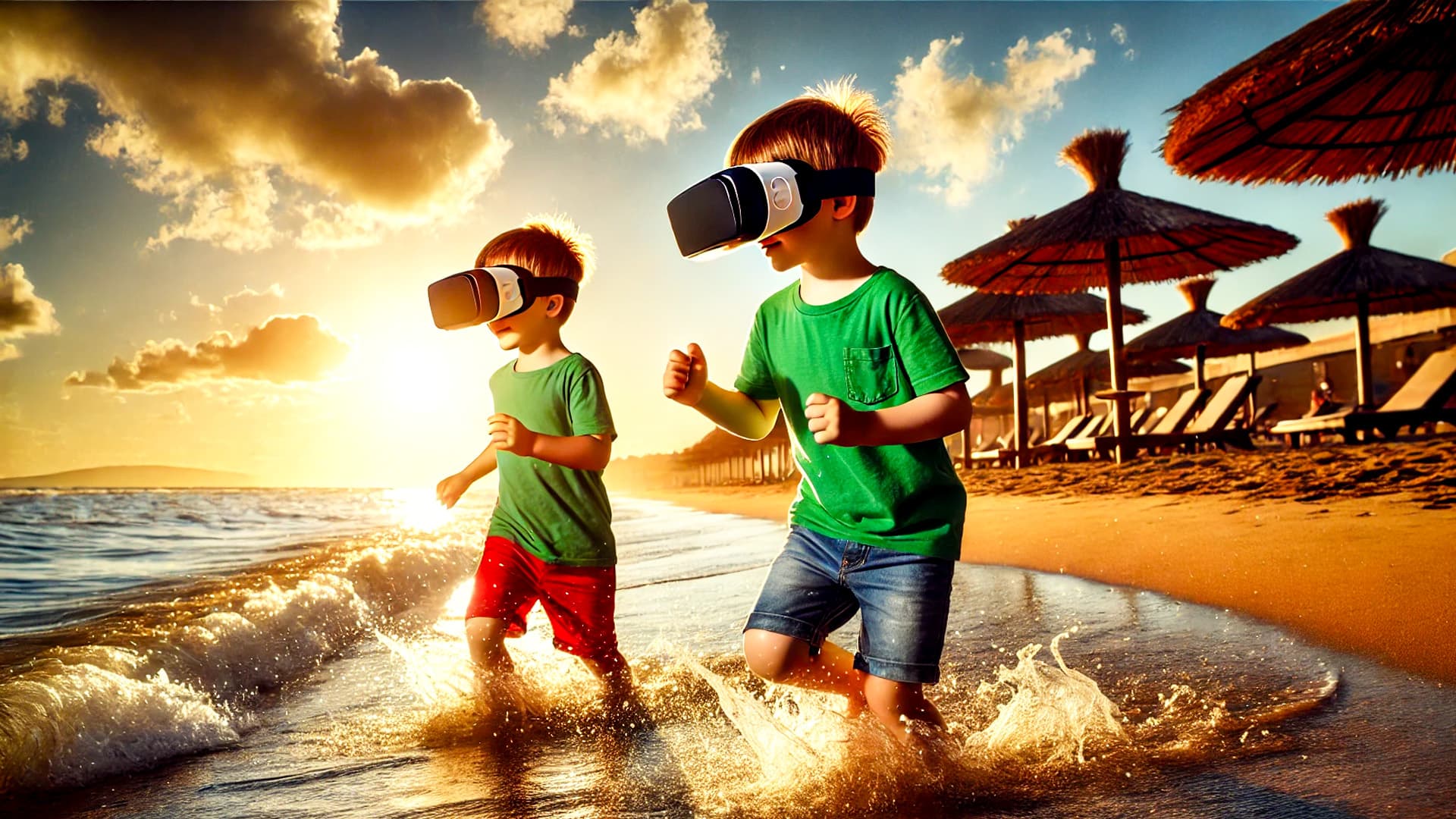
The way we travel is undergoing a profound transformation, and Virtual Reality (VR) tourism is at the forefront of this change. Once confined to the realms of science fiction, VR has now become a viable alternative to traditional travel, offering a dynamic and immersive experience that allows individuals to explore global destinations without ever leaving their homes. This shift eliminates many of the logistical hurdles associated with physical travel, such as obtaining visas, booking flights, or arranging accommodation. Now, instead of relying on static photographs or video clips to experience a destination, VR users are transported into three-dimensional, immersive environments where they can "visit" exotic locales in real-time, interacting with surroundings in ways that go far beyond passive observation.
How Virtual Reality is Transforming the Travel Experience
Virtual Reality is revolutionizing the travel experience by providing a level of sensory engagement that traditional media cannot match. Equipped with VR headsets and interactive tools, users are no longer mere spectators—they become active participants in their journeys. They can explore ancient ruins, stroll down the bustling streets of foreign cities, or even witness natural wonders up close, all from the comfort of their living rooms. This technology enables users to not only see and hear their surroundings but also feel an emotional connection to the places they are exploring, adding a new dimension to the experience. This immersive approach to travel is not just enhancing the way we explore the world; it's fundamentally reshaping what it means to travel in the digital age, bridging the gap between fantasy and reality.
The Evolution of Virtual Tourism
From Early Concepts to Fully Immersive VR Journeys
Virtual tourism began modestly, with early attempts at immersion using 360-degree videos and panoramic images. These early iterations allowed viewers to look around but offered little in the way of interactivity. Museums were among the first to explore this potential, providing virtual tours that allowed users to "visit" exhibitions from anywhere in the world. As VR technology matured, the static nature of these experiences evolved. Developers began integrating interactive features, allowing users to engage with the environment, whether it was examining a painting in a museum or interacting with objects in a historical landmark. Today, VR travel has advanced to the point where users can embark on fully immersive journeys. With modern VR, travelers can navigate the streets of historic cities, trek through rainforests, or even experience remote natural wonders, all with a heightened sense of presence and agency that makes the experience feel real.
Technologies Driving the VR Tourism Boom
The rapid rise of VR tourism is driven by a convergence of cutting-edge technologies. Hardware advancements, particularly in VR headsets, have led to lighter, more comfortable devices with ultra-high-resolution displays that enhance visual clarity. Software platforms have similarly evolved, now capable of rendering photorealistic environments that make virtual experiences feel almost indistinguishable from reality. Artificial intelligence (AI) plays a crucial role in creating dynamic interactions, while spatial audio creates immersive soundscapes that respond to users’ movements. Additionally, cloud computing and the rollout of 5G networks enable the seamless streaming of high-definition VR content, allowing users to explore far-flung destinations without lag or interruption.
How the Pandemic Accelerated the Adoption of Virtual Travel
The COVID-19 pandemic accelerated the adoption of virtual tourism as global travel restrictions grounded millions. With physical exploration on hold, people turned to VR as a way to quench their wanderlust. For many, VR offered an escape, providing immersive travel experiences from the safety of home. Simultaneously, the tourism industry, facing unprecedented challenges, adapted by creating digital alternatives. Destinations and tour operators began offering virtual tours and experiences, keeping audiences engaged and connected to places they could no longer visit in person. This shift not only sustained the travel industry but also expanded the reach and relevance of virtual travel, making it an essential tool for both travelers and tourism professionals during a time of global isolation.
Explore Iconic Landmarks from Anywhere in the World
Experience the Eiffel Tower and Colosseum Up Close
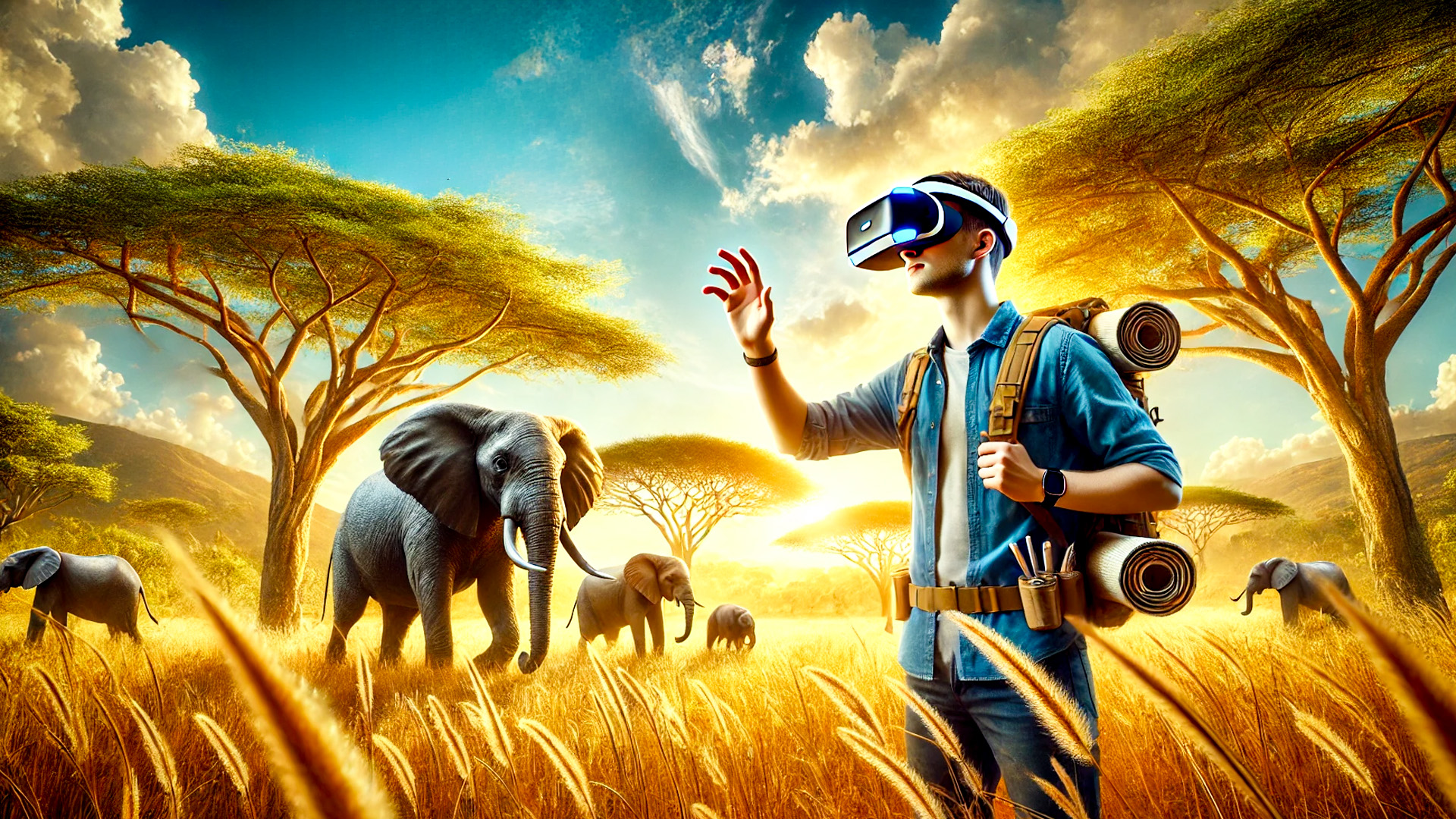
Virtual Reality now offers the opportunity to stand beneath iconic landmarks like the Eiffel Tower or explore ancient ruins like the Colosseum without ever booking a flight. With meticulous 3D recreations, users can experience the awe of gazing up at the intricate ironwork of the Eiffel Tower as if they were standing right at its base. The same applies to the Colosseum, where travelers can virtually wander through its grand arches and corridors, experiencing the scale and history of ancient Rome. These VR experiences are more than just visual simulations; they allow users to move freely within these landmarks, uncover hidden details, and immerse themselves in the historical context, creating a deep connection to the sites. By combining stunning visuals with storytelling, VR brings these architectural wonders to life, making them accessible to anyone, anywhere.
Virtual Tours of Natural Wonders: From the Grand Canyon to Mount Everest
Nature lovers can now explore the world’s most breathtaking natural wonders through immersive VR experiences. Virtual tours of the Grand Canyon allow users to feel the thrill of standing on the edge of vast cliffs, admiring the expansive views that stretch for miles. For those with a taste for adventure, simulated climbs of Mount Everest offer a glimpse into the extreme conditions and challenges faced by mountaineers as they ascend the world’s highest peak. These tours go beyond mere sightseeing—they evoke a sense of awe, offering a profound appreciation for the beauty and grandeur of the natural world. With VR, users can embark on these journeys without the physical demands, making these once-inaccessible places available to everyone.
Beyond Sightseeing: Attend Festivals and Cultural Events in VR
VR tourism isn't just limited to sightseeing—it also opens up a world of dynamic cultural experiences. Users can now participate in global events, from dancing in the vibrant streets of Rio Carnival to enjoying a live opera performance at the Vienna State Opera, all through the immersive power of VR. These events are often enhanced with interactive features, allowing users to chat with locals, experience behind-the-scenes tours, or engage in festival activities. This immersive access goes beyond observation, creating a rich cultural exchange that connects people across the world. VR not only provides a front-row seat to these events but also transforms the way we engage with global culture, offering an unprecedented level of participation from the comfort of home.
The Benefits of Virtual Tourism
Affordable Adventures: Travel the World Without the Cost
One of the most attractive aspects of virtual tourism is its affordability, which makes global exploration accessible to a much wider audience. Traditional travel often comes with high costs—flights, hotels, meals, and transportation can add up quickly, making international adventures out of reach for many. VR tourism eliminates these expenses, allowing users to explore world-famous landmarks, cities, and natural wonders for a fraction of the cost. All that's needed is a VR headset or a compatible device, making this a cost-effective alternative to physical travel. With virtual tourism, people can visit multiple destinations, from the pyramids of Egypt to the Great Wall of China, all in a single day—without breaking the bank. This shift not only democratizes travel but also allows users to spend more on what matters, whether that’s future physical trips or other life priorities.
Eco-Friendly Exploration: Reducing the Carbon Footprint of Travel
As concerns about climate change grow, VR tourism provides an eco-friendly solution to traditional travel’s environmental impact. Air travel is a significant contributor to global carbon emissions, and reducing unnecessary flights is crucial for sustainability. Virtual tourism allows individuals to explore far-flung destinations without the environmental costs associated with flying, staying in hotels, or driving long distances. By offering immersive experiences that replicate the beauty and atmosphere of real-world locations, VR makes it possible to satisfy wanderlust while reducing one’s carbon footprint. This makes virtual travel a responsible and sustainable choice for environmentally conscious travelers, helping to preserve the planet’s natural wonders for future generations.
Accessibility in Travel: Making the World Available to All
For many people, physical travel is simply not an option due to disabilities, health concerns, or age-related limitations. VR tourism breaks down these barriers, providing an inclusive platform that makes global exploration accessible to everyone. Through VR, individuals who may be unable to board a plane or walk through ancient ruins can still experience the wonder of distant lands. Whether it's visiting the Louvre in Paris, walking along the beaches of Bali, or touring Machu Picchu, VR allows users to engage with the world in ways that were previously impossible. This technology not only opens doors for those with physical constraints but also creates an emotional connection to places that might have otherwise remained a distant dream. VR is transforming travel into an inclusive experience, ensuring that no one is left behind in the age of exploration.

Challenges and Limitations of VR Tourism
Can VR Replace the Emotional Impact of Physical Travel?
While VR offers a highly immersive experience, it cannot fully capture the emotional depth that comes from physically being in a place. The sensory richness of travel—feeling the warmth of the sun, the texture of cobblestone streets beneath your feet, or the taste of authentic local dishes—cannot be replicated by current VR technology. Travel is more than just visual and auditory stimulation; it's about engaging all five senses and forming emotional connections with the environment and people. These tactile and sensory experiences are often what create lasting memories for travelers. As such, for many, the true essence of travel lies in these real-world encounters, making VR a complementary tool rather than a complete substitute. Virtual tourism can certainly enrich one’s knowledge and understanding of a place, but it is unlikely to replace the profound emotional impact that comes from physically being there.
Technology Barriers: Hardware Costs and Accessibility Issues
Despite the excitement surrounding VR tourism, there are significant barriers to widespread adoption. One of the main challenges is the cost of high-quality VR headsets, which remain prohibitively expensive for many consumers. The price point limits access to this technology, making it more of a luxury than a mainstream tool for travel. Additionally, some users may find the technology intimidating, with concerns about usability and comfort. Motion sickness is a common issue for VR users, which can detract from the immersive experience. Addressing these accessibility challenges will be key to making VR tourism more inclusive and widely adopted. For VR to reach its full potential as a travel alternative, developers must focus on reducing hardware costs and improving user comfort.
Overcoming the Learning Curve: Making VR User-Friendly for All Ages
VR technology can be daunting, particularly for older generations or individuals unfamiliar with digital interfaces. The complexity of navigating VR environments may discourage some from trying this form of travel. To overcome this, developers need to focus on creating intuitive, easy-to-use experiences that cater to a diverse range of users. This includes simplifying controls, offering tutorials, and integrating guided tours to make the technology more approachable. By removing technical barriers and creating seamless user experiences, VR tourism can become accessible to people of all ages and technological backgrounds, allowing more users to enjoy its benefits without feeling overwhelmed. Simplifying the learning curve is essential for making virtual tourism a widely adopted alternative.
The Future of VR in the Travel Industry
The Role of Metaverse Platforms in Virtual Tourism
As the metaverse continues to gain momentum, it holds immense potential for revolutionizing virtual tourism. Metaverse platforms are shared digital spaces where users can not only explore virtual environments but also interact with other users in real-time, creating social and dynamic experiences. In the context of tourism, these platforms could transform how people explore virtual destinations. Imagine walking through a meticulously recreated virtual city, surrounded by fellow travelers from across the world. Users could engage with each other, join group tours, or participate in cultural events, all while navigating virtual landscapes. This convergence of social interaction and immersive exploration will make metaverse platforms a key player in the future of virtual tourism, offering an experience that goes beyond solo VR travel by fostering community and collaboration in digital worlds.
Innovations on the Horizon: Haptic Feedback and Smell Simulation
As VR technology advances, innovations like haptic feedback and smell simulation could dramatically enhance the realism of virtual tourism. Haptic feedback gloves would allow users to feel textures, from the rough stone of ancient ruins to the soft petals of flowers in a botanical garden. This sense of touch would add a new layer of immersion, making virtual environments feel even more real. Additionally, scent simulation technology could replicate the aromas of specific locations, such as the fresh sea breeze at a coastal destination or the rich spices of a bustling marketplace. By engaging multiple senses, these innovations would help bridge the gap between virtual and physical travel, making VR tourism an even more compelling alternative or complement to traditional travel experiences.
Partnerships Between Travel Agencies and VR Developers
The tourism industry is increasingly recognizing the value of VR as a powerful tool for customer engagement. Partnerships between travel agencies and VR developers are emerging, enabling hybrid travel experiences that combine the best of both worlds. These collaborations allow travelers to preview destinations in VR before committing to a physical trip, providing a more informed decision-making process. Potential tourists can virtually walk through hotels, explore local attractions, and experience the atmosphere of a place before booking their flights. Such immersive previews not only improve customer satisfaction but also present new revenue opportunities for both the travel and tech industries. By offering these enhanced experiences, travel agencies can attract a broader audience and differentiate themselves in a competitive market.

The Rise of Hybrid Tourism: Blending Physical and Virtual Travel
Hybrid tourism, which seamlessly blends physical and virtual experiences, is becoming an increasingly popular way to travel. Rather than viewing VR tourism as a replacement for traditional travel, many are discovering how the two can complement each other. For instance, travelers can use VR to explore a destination before they visit, allowing them to familiarize themselves with the landscape, attractions, and local culture ahead of time. This not only enhances their trip planning but also creates excitement and anticipation. After the trip, VR can be used to revisit those cherished memories, enabling travelers to relive their experiences and even share them with friends and family in an interactive way. Hybrid tourism offers the best of both worlds—immersive virtual previews and tangible, real-world experiences—enriching the way people travel and engage with new places.
What Virtual Reality Means for the Future of Global Tourism
As VR technology continues to evolve, its impact on global tourism is expected to be profound. VR tourism is not just a passing trend; it represents a fundamental transformation in how people explore and experience the world. In the future, the line between virtual and physical travel may become increasingly blurred. Travelers will have the freedom to explore remote or difficult-to-reach destinations that might otherwise remain inaccessible, such as deep-sea environments or historical landmarks no longer open to the public. Additionally, virtual tourism will provide opportunities for immersive cultural exchange, enabling users to interact with locals or attend global events in real time without leaving their homes. Whether used as a preview for future physical trips or a stand-alone experience for the curious and adventurous, VR is reshaping the very concept of travel, making it more inclusive, accessible, and innovative than ever before.
Author: Elisha Roodt
Delivering expert insights into virtual reality, 360° production, and the immersive technological evolution across South Africa.