
Virtual Reality vs Mixed Reality
Defining the Realms: Virtual Reality and Mixed Reality Explained Virtual Reality: A Fully Immersive Environment Imagine slipping on a headset and...
Defining the Realms: Virtual Reality and Mixed Reality Explained
Virtual Reality: A Fully Immersive Environment
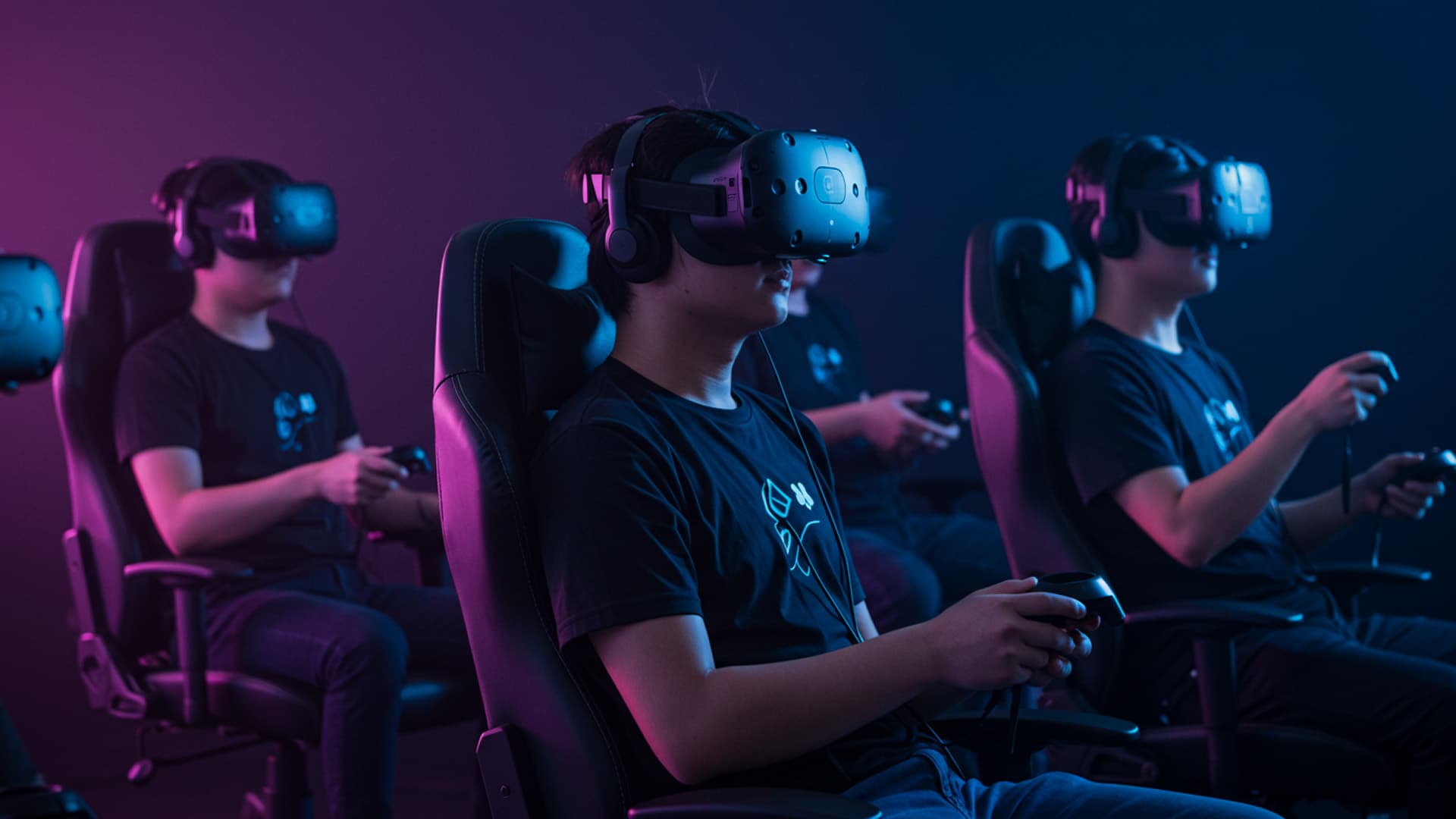
Imagine slipping on a headset and being transported to a different planet, where every sight and sound is meticulously crafted to create a sense of complete immersion. This is the essence of Virtual Reality (VR), a technology that envelops users in a wholly digital environment. VR leverages advanced graphics and spatial audio to simulate experiences ranging from gaming adventures to virtual travel, allowing individuals to engage with computer-generated worlds as if they were tangible.
The allure of VR lies in its ability to disconnect users from their immediate surroundings, offering an escape into alternate realities. Whether it's exploring underwater kingdoms or participating in high-stakes simulations, VR provides a canvas for creativity and experiential learning. However, this immersion also means that VR experiences are entirely separate from the physical world, presenting both opportunities and limitations in how users interact with their environment.
Mixed Reality: Blending Digital and Physical Worlds
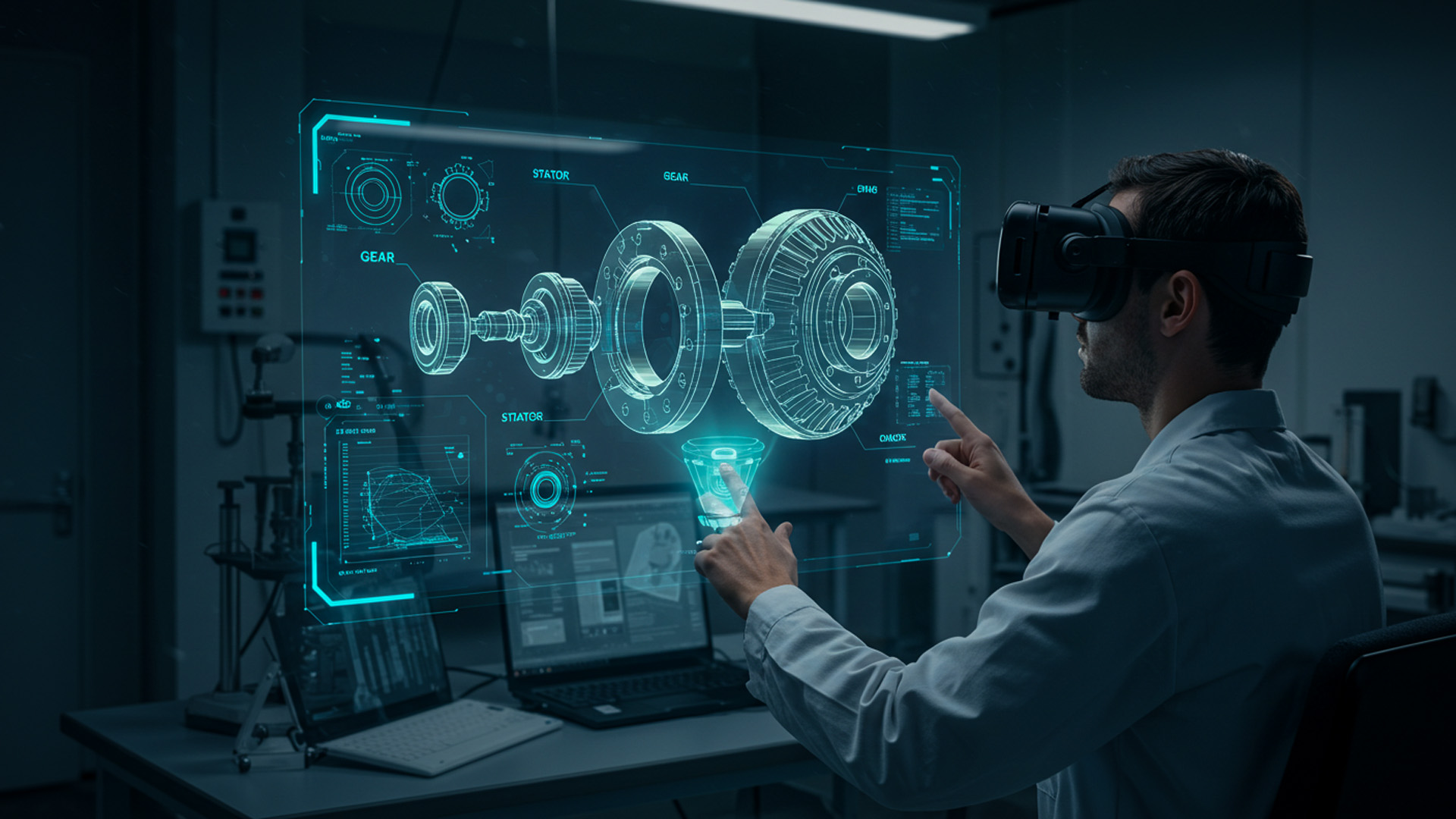
Contrasting with VR's all-encompassing immersion, Mixed Reality (MR) serves as a bridge between the digital and physical spheres. MR integrates digital objects into the real world, allowing them to coexist and interact seamlessly with the environment. For instance, envision a workspace where holographic screens float beside your physical monitor, responding dynamically to your gestures and voice commands.
MR harnesses the power of sensors and spatial mapping to anchor virtual elements to real-world locations, creating a harmonious blend of both realities. This fusion facilitates applications that enhance productivity, education, and entertainment by augmenting the user's perception rather than replacing it. The symbiosis of digital and physical components in MR opens avenues for more intuitive and context-aware interactions, redefining how we engage with technology in our daily lives.
The Overlapping Territories: Shared Features and Distinctions
While VR and MR share the common goal of enhancing user experiences through immersive technologies, their approaches diverge significantly. Both rely on sophisticated hardware like headsets and controllers, as well as software platforms that render and manage digital content. However, VR prioritizes complete immersion by isolating users from the physical world, whereas MR seeks to integrate digital elements within the real environment.
This distinction is akin to comparing a canvas painting to a live stage performance. VR offers a controlled and self-contained experience, much like stepping into a meticulously designed artwork. In contrast, MR allows for dynamic interactions within a real-world setting, similar to performers on a stage interacting with their audience and props. Understanding these nuances is crucial for developers and users alike, as it influences the design and application of each technology in various contexts.
Technological Foundations: Hardware and Software Differences
Devices and Interfaces: The Hardware Spectrum
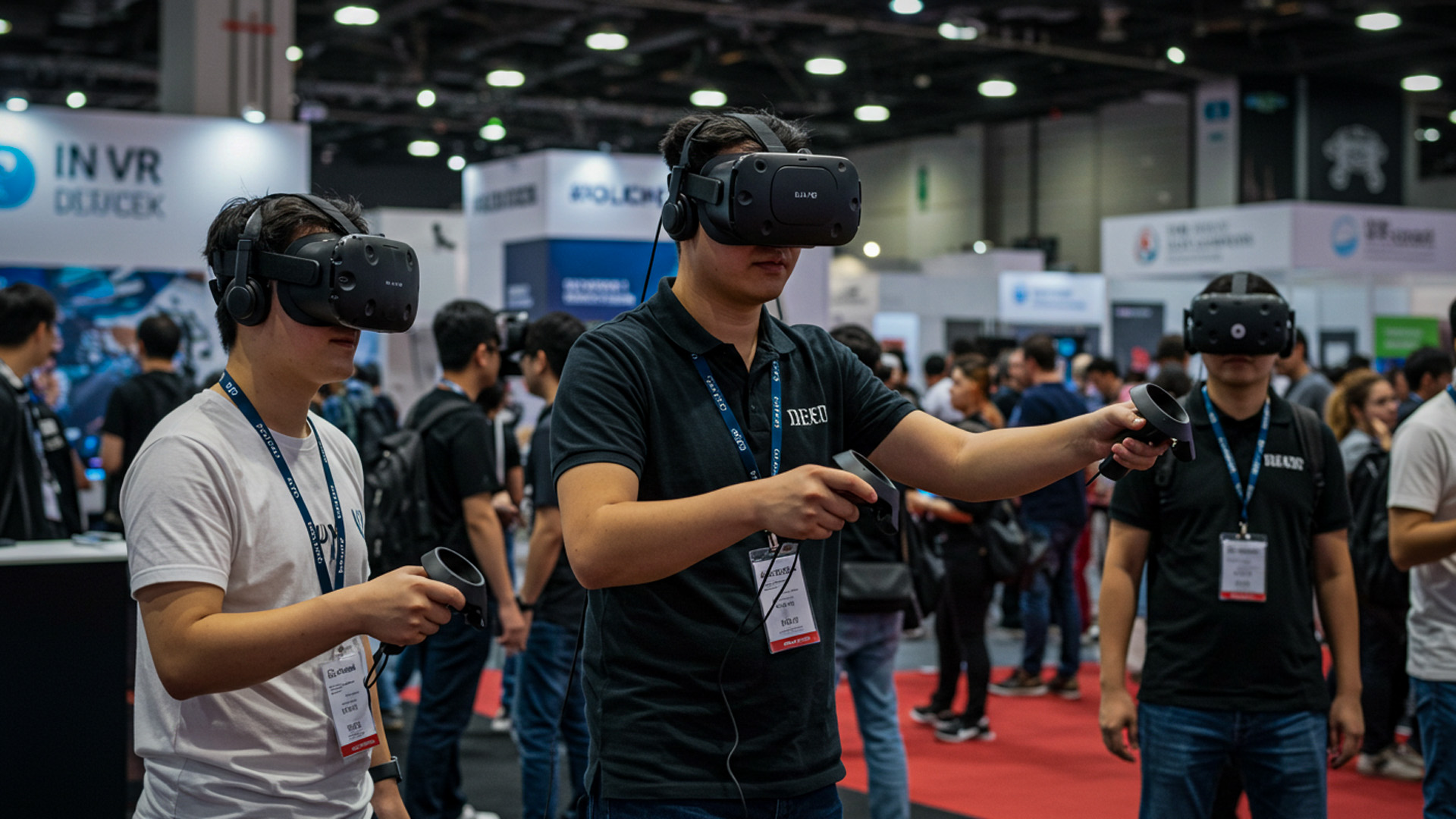
At the core of VR and MR lies a diverse array of hardware tailored to their respective functionalities. VR devices, such as Oculus Rift or HTC Vive, feature high-resolution displays and precise motion tracking to create immersive virtual environments. These headsets often include controllers that detect hand movements, enabling users to interact with the virtual space intuitively.
On the other hand, MR devices like Microsoft’s HoloLens or Magic Leap One incorporate transparent lenses and advanced sensors to overlay digital content onto the physical world. These headsets are equipped with spatial mapping capabilities, allowing virtual objects to respond to real-world surfaces and lighting conditions. Additionally, MR hardware often integrates voice recognition and gesture controls to facilitate natural interactions without the need for handheld controllers.
The choice of hardware significantly impacts the user experience, determining the level of immersion and the types of interactions possible. As technology advances, the convergence of VR and MR hardware features is becoming more pronounced, paving the way for hybrid devices that offer both immersive and augmented experiences.
Software Architectures: Underlying Platforms
The software ecosystems underpinning VR and MR are pivotal in shaping their capabilities and applications. VR platforms typically focus on rendering detailed 3D environments and managing user interactions within these spaces. Engines like Unity and Unreal Engine are commonly used to develop VR experiences, providing tools for creating realistic graphics, physics, and interactive elements.
Conversely, MR software emphasizes spatial awareness and contextual integration. Platforms such as Microsoft’s Windows Mixed Reality and Magic Leap’s SDK facilitate the creation of applications that blend digital content with the real world. These platforms incorporate features like spatial anchors, which allow virtual objects to maintain their positions relative to the physical environment, and environmental understanding, which enables applications to adapt to changes in the user's surroundings.
The divergence in software architecture reflects the distinct objectives of VR and MR, with VR prioritizing immersive storytelling and simulation, while MR focuses on enhancing real-world interactions and augmenting user capabilities. However, the lines between these platforms are increasingly blurring as developers seek to create more versatile and adaptable applications.
Tracking and Sensing Technologies
Accurate tracking and sensing are fundamental to delivering seamless VR and MR experiences. VR relies on precise motion tracking to monitor the user's head and body movements, ensuring that the virtual environment responds in real-time. This is achieved through a combination of external sensors, inside-out tracking cameras, and inertial measurement units (IMUs) embedded within the headset.
In MR, tracking extends beyond mere motion to include spatial mapping and environmental sensing. MR devices use a multitude of sensors, such as depth cameras and lidar, to understand the geometry and dynamics of the physical space. This allows virtual objects to interact naturally with real-world elements, such as placing a holographic chair on a physical table or having a digital character navigate around actual obstacles.
The sophistication of tracking and sensing technologies directly influences the realism and responsiveness of VR and MR experiences. As advancements continue, these technologies are becoming more refined, reducing latency and enhancing the accuracy of interactions, thereby elevating the overall user experience.
Applications Across Industries: From Gaming to Healthcare
Virtual Reality in Entertainment and Gaming
The entertainment and gaming industries have been at the forefront of VR adoption, capitalizing on its ability to transport users into fantastical worlds. VR gaming offers unparalleled immersion, allowing players to experience first-person perspectives and interact with game elements in a highly realistic manner. Titles like "Beat Saber" and "Half-Life: Alyx" exemplify how VR can revolutionize gameplay by blending physical movements with virtual actions.
Beyond gaming, VR has expanded into areas such as virtual concerts and interactive storytelling. Artists and creators utilize VR to craft experiences that engage audiences in novel ways, fostering a deeper emotional connection and providing unique forms of expression. The ability to simulate environments and scenarios also makes VR a valuable tool for filmmakers and content creators looking to push the boundaries of traditional media.
The versatility of VR in entertainment underscores its potential to redefine how audiences consume and participate in digital content. As hardware becomes more accessible and software more sophisticated, the scope of VR applications within the entertainment sector is poised to grow exponentially.
Mixed Reality in Professional Training and Education
Mixed Reality has found a significant foothold in professional training and education, offering interactive and immersive learning experiences that enhance comprehension and retention. In fields like medicine, MR allows trainees to practice surgical procedures with virtual overlays that provide real-time feedback and guidance. This hands-on approach bridges the gap between theoretical knowledge and practical application, fostering skill development in a controlled yet realistic setting.
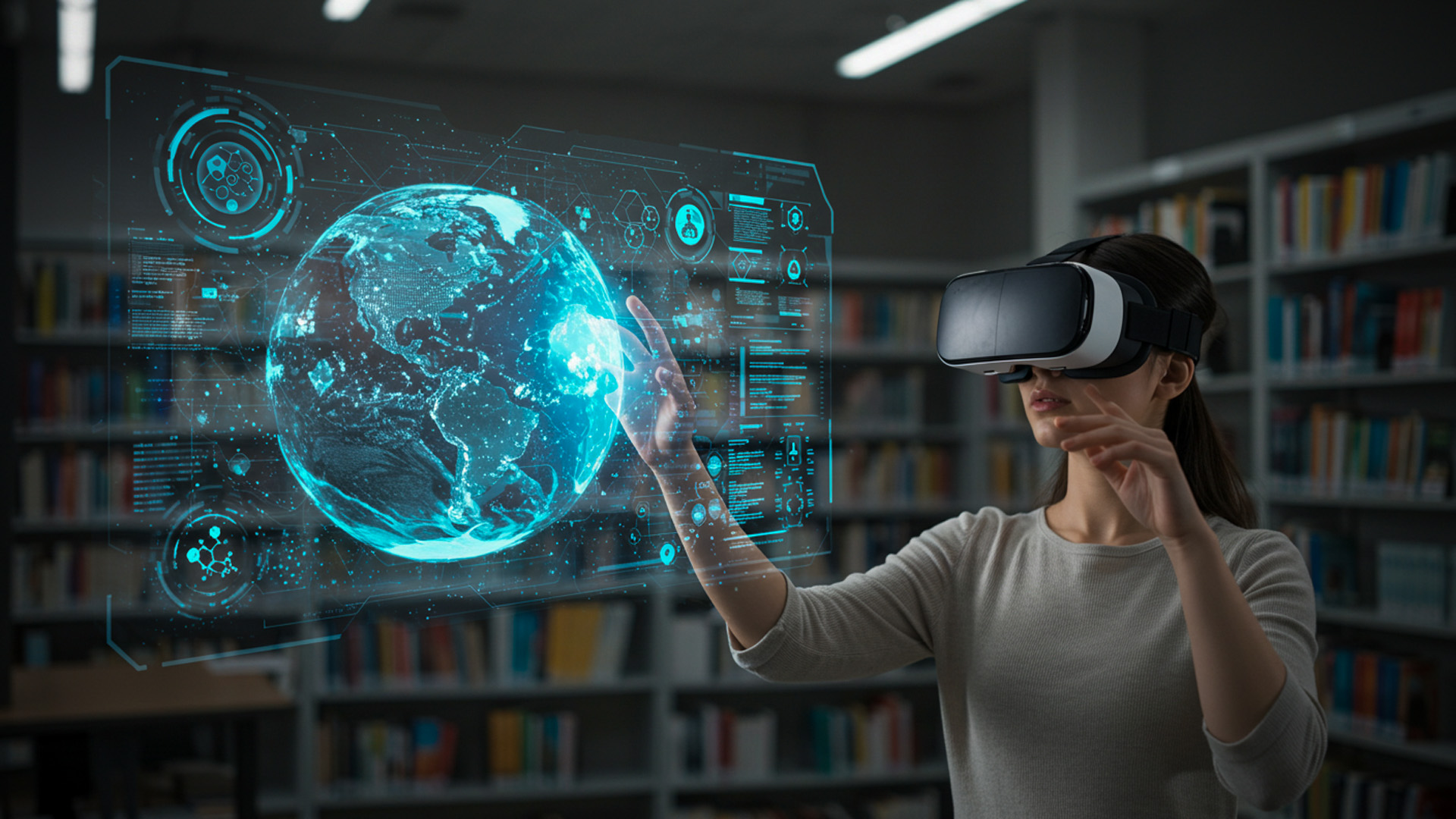
Educational institutions leverage MR to create engaging learning environments where students can explore complex subjects through interactive models and simulations. For example, MR can bring historical events to life or visualize intricate scientific concepts, making abstract ideas more tangible and accessible. By integrating digital content with the physical classroom, MR facilitates collaborative learning and encourages critical thinking.
The adaptability of MR in training and education highlights its capacity to transform traditional methodologies, making learning more interactive, personalized, and effective. As MR technology continues to evolve, its integration into educational frameworks is likely to become more widespread, driving innovation in how knowledge is imparted and acquired.
Convergent Uses in Healthcare and Therapy
In the healthcare sector, both VR and MR are being harnessed to improve patient outcomes and enhance therapeutic practices. VR is utilized for pain management, providing patients with immersive distractions during medical procedures or chronic pain treatments. By immersing patients in calming virtual environments, VR can reduce anxiety and mitigate the perception of pain, offering a non-invasive adjunct to traditional therapies.
MR, on the other hand, plays a pivotal role in rehabilitation and physical therapy. Therapists use MR applications to guide patients through exercises, offering real-time feedback and adjusting programs based on progress. This interactive approach not only makes therapy sessions more engaging but also allows for personalized treatment plans that adapt to individual needs.
The convergence of VR and MR in healthcare underscores the transformative potential of immersive technologies in enhancing both patient care and medical training. By leveraging the strengths of each technology, the healthcare industry can provide more effective, engaging, and patient-centered solutions.
User Experience and Interaction: Navigating the Immersive Landscape
Interaction Paradigms: Controllers vs. Natural Gestures
User interaction in VR and MR varies significantly, shaping how individuals engage with digital content. VR predominantly relies on handheld controllers, which translate physical movements into virtual actions. These devices offer precision and a range of input options, enabling users to navigate menus, manipulate objects, and perform complex tasks within the virtual environment.
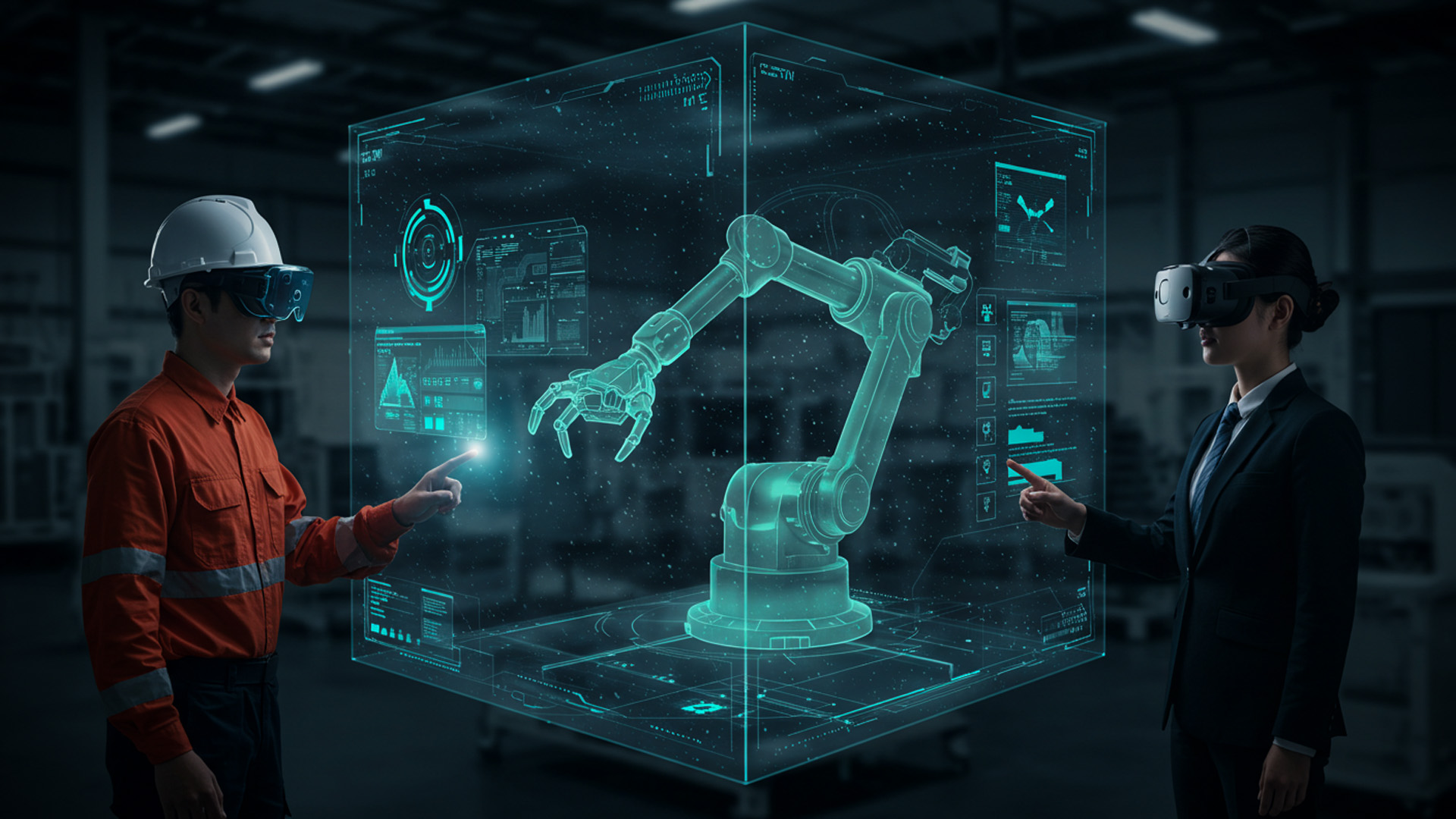
In contrast, MR emphasizes more natural forms of interaction, such as hand gestures, voice commands, and eye movements. By leveraging advanced sensors and machine learning algorithms, MR devices can interpret subtle user inputs, allowing for more intuitive and fluid interactions. For example, users can pinch to grab virtual objects, swipe to scroll through information, or use voice commands to control applications, creating a more seamless and immersive experience.
The choice between controllers and natural gestures impacts the overall user experience, influencing factors like ease of use, accessibility, and the level of immersion. As technologies advance, the integration of both interaction paradigms is becoming more common, offering users greater flexibility and enhancing the versatility of immersive applications.
Spatial Audio and Visual Fidelity
The sensory dimensions of VR and MR play a crucial role in establishing immersion and realism. Spatial audio technology in VR and MR ensures that sounds are accurately positioned and move realistically within the environment, enhancing the sense of presence. This dynamic audio experience allows users to locate sources of sound intuitively, whether it's footsteps approaching from behind or ambient noises surrounding them.
Visual fidelity, encompassing resolution, frame rates, and field of view, is equally critical in delivering a convincing immersive experience. High-resolution displays and advanced rendering techniques minimize latency and visual artifacts, creating smooth and lifelike visuals that reduce motion sickness and eye strain. In MR, visual fidelity also extends to the seamless integration of digital and physical elements, ensuring that virtual objects appear anchored and consistent with real-world lighting and textures.
Together, spatial audio and visual fidelity elevate the immersive quality of VR and MR, making interactions more believable and engaging. Continued advancements in these areas are essential for pushing the boundaries of what immersive technologies can achieve, fostering deeper connections between users and digital content.
Comfort and Ergonomics in Prolonged Use
The design and ergonomics of VR and MR hardware significantly influence user comfort, particularly during extended sessions. Lightweight headsets with balanced weight distribution reduce neck strain and fatigue, enabling users to engage with immersive content for longer periods without discomfort. Adjustable straps and customizable fittings also contribute to a more personalized and comfortable experience.
Ventilation and cooling systems are critical in preventing overheating, especially during intensive use. Materials that are breathable and moisture-wicking help manage perspiration, maintaining user comfort in various environments. Additionally, minimizing bulk and optimizing cable management enhance the overall ergonomic design, ensuring that hardware does not impede movement or detract from the immersive experience.
Comfort and ergonomics are paramount in ensuring that users can fully engage with VR and MR technologies without physical distractions. As the demand for more immersive and prolonged use cases grows, manufacturers are increasingly focusing on refining the design and functionality of hardware to prioritize user well-being and sustained engagement.
The Future Horizon: Convergence and Emerging Trends
Seamless Integration: Merging VR and MR Capabilities
The future of immersive technologies lies in the convergence of VR and MR, creating hybrid systems that offer the best of both worlds. These integrated platforms aim to provide users with the flexibility to switch between fully immersive virtual environments and augmented overlays of the physical world seamlessly. Such versatility caters to a broader range of applications, from immersive gaming sessions to collaborative workspaces that blend digital and physical elements.
This seamless integration is facilitated by advancements in hardware design, allowing for modular systems that can adapt to different usage scenarios. Software developments also play a crucial role, with unified platforms that support both VR and MR functionalities, enabling developers to create more versatile and dynamic applications. The convergence of VR and MR capabilities promises to unlock new possibilities in user experience, fostering a more interconnected and adaptable immersive landscape.
As these technologies merge, the boundaries between virtual and mixed realities will continue to blur, leading to more sophisticated and versatile solutions that cater to diverse user needs and preferences. This evolution will drive innovation across industries, expanding the horizons of what immersive technologies can achieve.
Advancements in AI and Machine Learning
Artificial Intelligence (AI) and Machine Learning (ML) are poised to revolutionize the capabilities of VR and MR, enhancing both the realism and interactivity of immersive experiences. AI-driven algorithms can analyze user behavior and preferences in real-time, adapting virtual environments to better suit individual needs and optimize engagement. For example, in gaming, AI can dynamically adjust difficulty levels or generate responsive non-player characters that interact more naturally with players.
In MR, AI and ML facilitate more accurate spatial mapping and object recognition, enabling virtual elements to interact more seamlessly with the physical world. These technologies can predict user intentions, streamline interactions, and provide intelligent assistance, making MR applications more intuitive and efficient. Additionally, AI-powered content generation can automate the creation of complex virtual environments, reducing development time and enabling more personalized experiences.
The integration of AI and ML into VR and MR heralds a new era of intelligent and adaptive immersive technologies, capable of delivering more engaging, personalized, and responsive user experiences. As these advancements continue, the potential for innovation and enhanced functionality within immersive platforms will expand, driving the next wave of technological evolution.
Ethical Considerations and User Privacy
As VR and MR technologies become increasingly integrated into daily life, ethical considerations and user privacy emerge as critical concerns. The immersive nature of these technologies means that they can collect vast amounts of personal data, including biometric information, behavioral patterns, and environmental contexts. Ensuring that this data is handled responsibly and securely is paramount to maintaining user trust and safeguarding privacy.
The potential for immersive technologies to influence perceptions and behaviors raises ethical questions about consent, content moderation, and the psychological impact of prolonged use. Developers and stakeholders must navigate these challenges by implementing robust data protection measures, transparent user policies, and ethical guidelines that govern the creation and distribution of immersive content.
Addressing these ethical considerations is essential for the sustainable growth and acceptance of VR and MR technologies. By prioritizing user privacy and ethical standards, the industry can foster a responsible and inclusive environment that maximizes the benefits of immersive technologies while mitigating potential risks.
The Future Horizon
Author: Elisha Roodt
Delivering expert insights into virtual reality, 360° production, and the immersive technological evolution across South Africa.